

Top tips for postural neck pain
BeachLife Physiotherapy • 3 September 2025
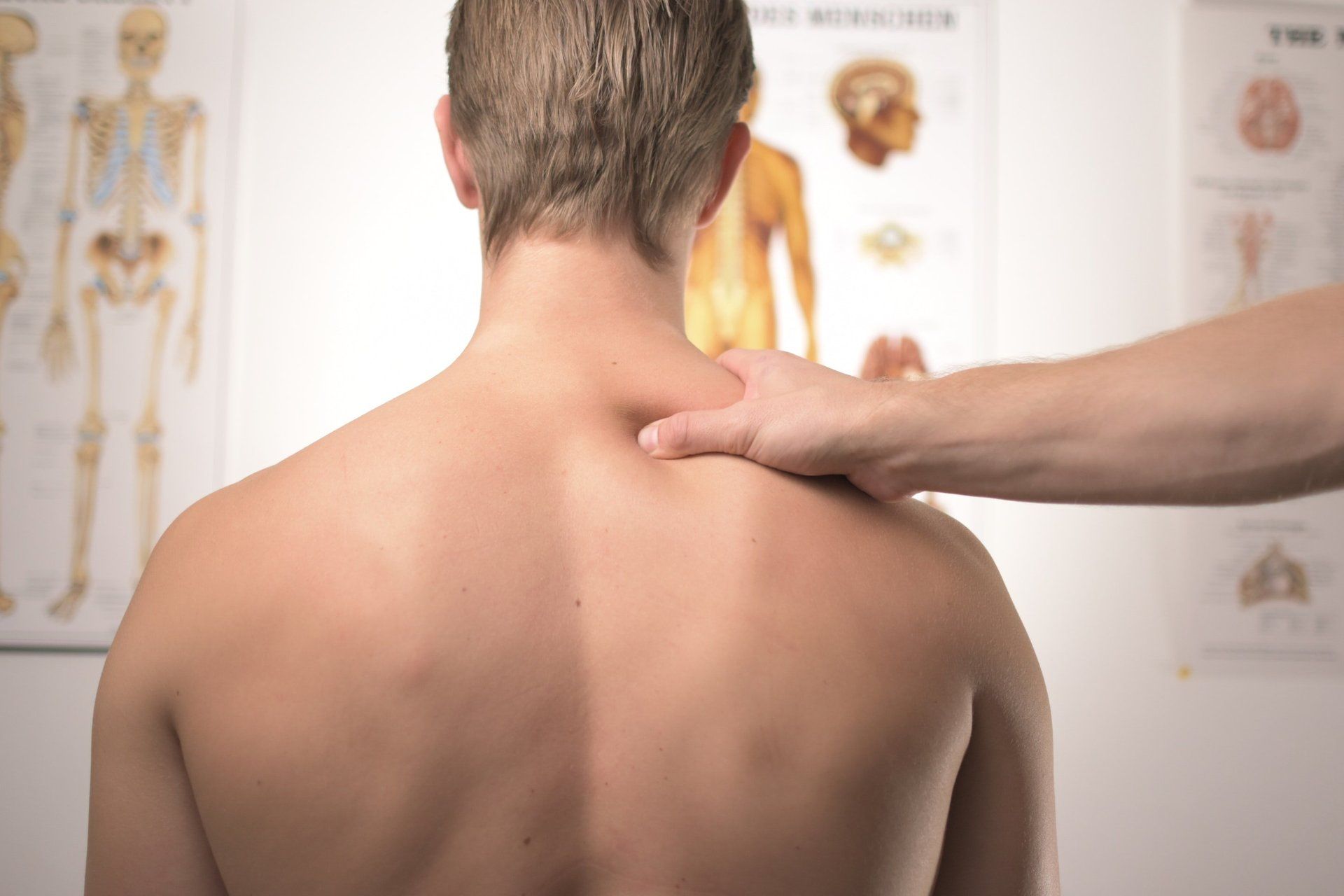
Neck pain from poor posture at your desk? You're not alone!
Whether it's from long hours at your work desk or scrolling on your phone, postural neck pain is super common - but totally treatable.
TOP TIPS TO EASE THE ACHE:
1. Keep moving - Avoid long periods of sitting still.
Take regular breaks when you can. Getting up every 30-60mins reduces stiffness and muscle tension. Just 1-2 mins of stretching or walking can improve circulation and prevent pain.
2. Chin tucks exercise - Realign your neck & improve posture.
These exercises help strengthen deep neck muscles -
Gently draw your chin straight back (like making a double chin) without tilting your head. Hold for 5 seconds.
This relieved neck strain from forward head posture.
3. Strengthen your upper back - Support better posture for the long haul.
Strong upper back muscles = better posture & less neck pain.
Try:
1. Scapular squeezes (pinch shoulder blades)
2. Wall angels
3. Resistance band rows
Do these 3-4x/week for best results!
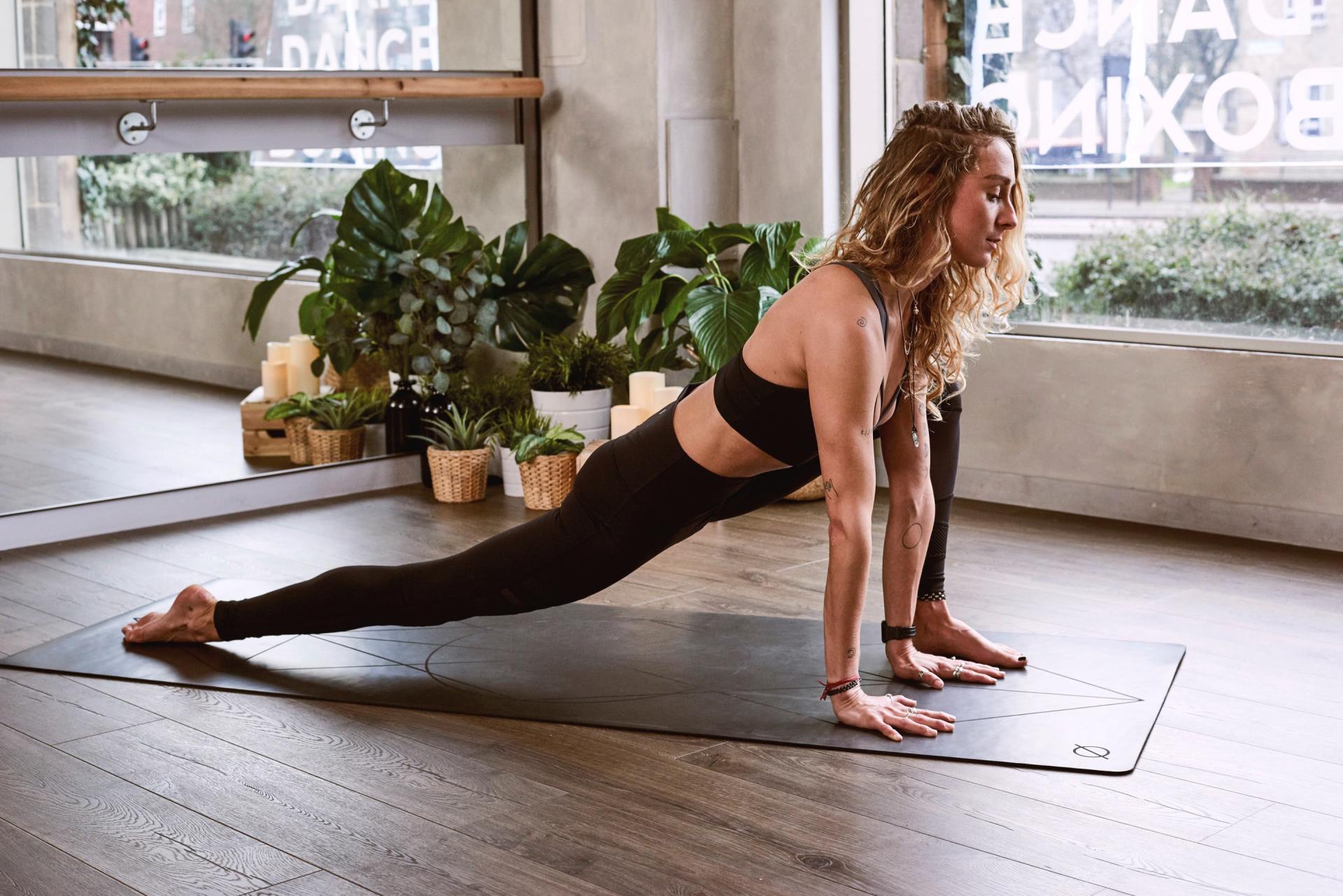
4. Stretch it out - Release tight neck & chest muscles.
Tight chest & neck muscles pull posture forward and strain your neck.
Stretch daily!
1. Chest (doorway stretch)
2. Upper traps (side neck stretch)
3. Levator scap (look to armpit stretch)
Start small, stay consistent and your neck will thank you!

Prepare for Beach2Beach with smart training, tapering and nutrition advice, plus free recovery support from BeachLife Physio.

Sports taping and bracing can support some injuries and help you stay active while completing the rehab needed for recovery.
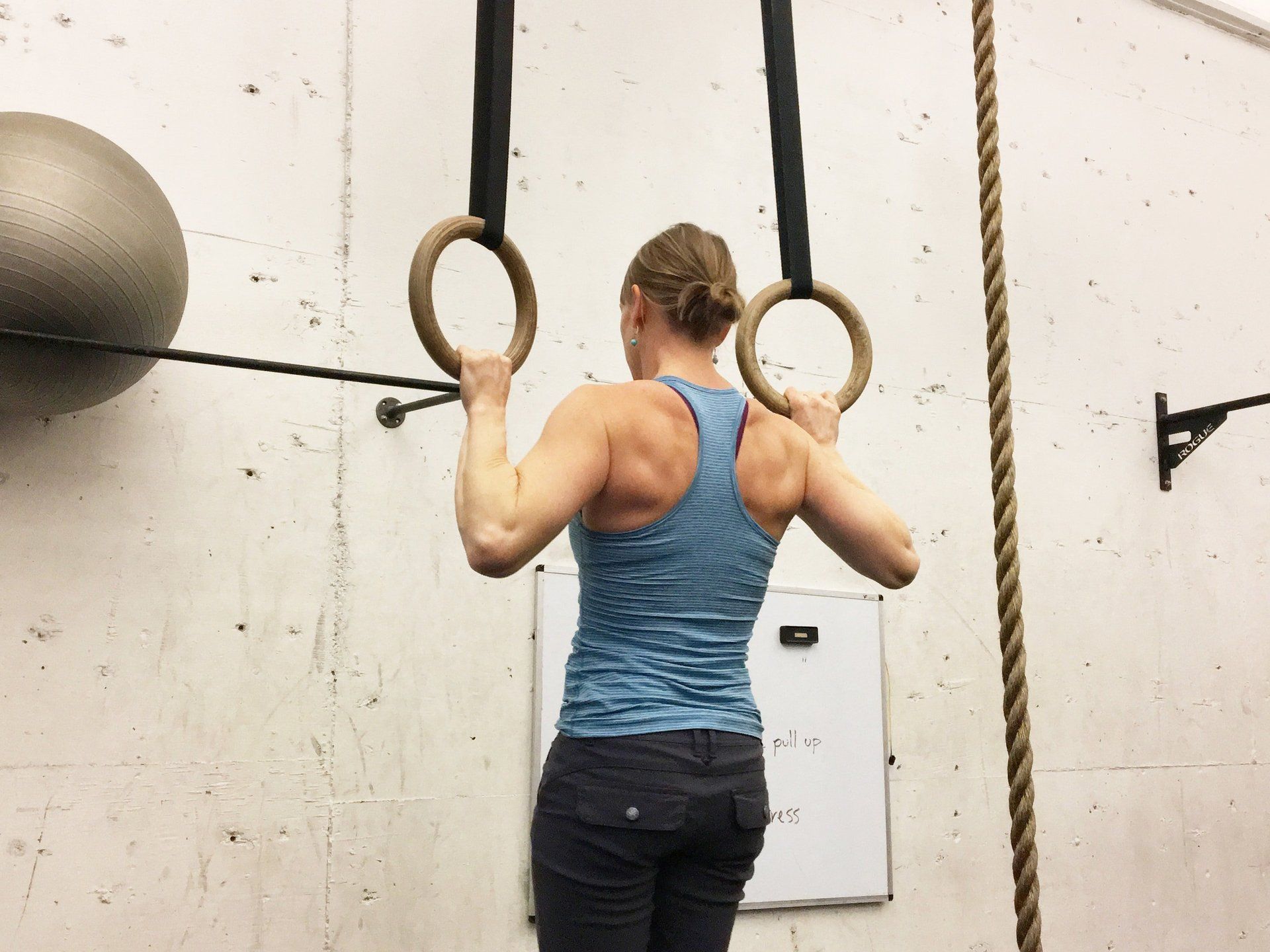
Our rotator cuff program combines physio assessment, education and supervised exercise to improve shoulder strength and confidence.

BeachLife Physio Lower back pain program using assessment, education and supervised exercise to improve function and reduce flare-ups. Frenchs Forest & Narrabeen
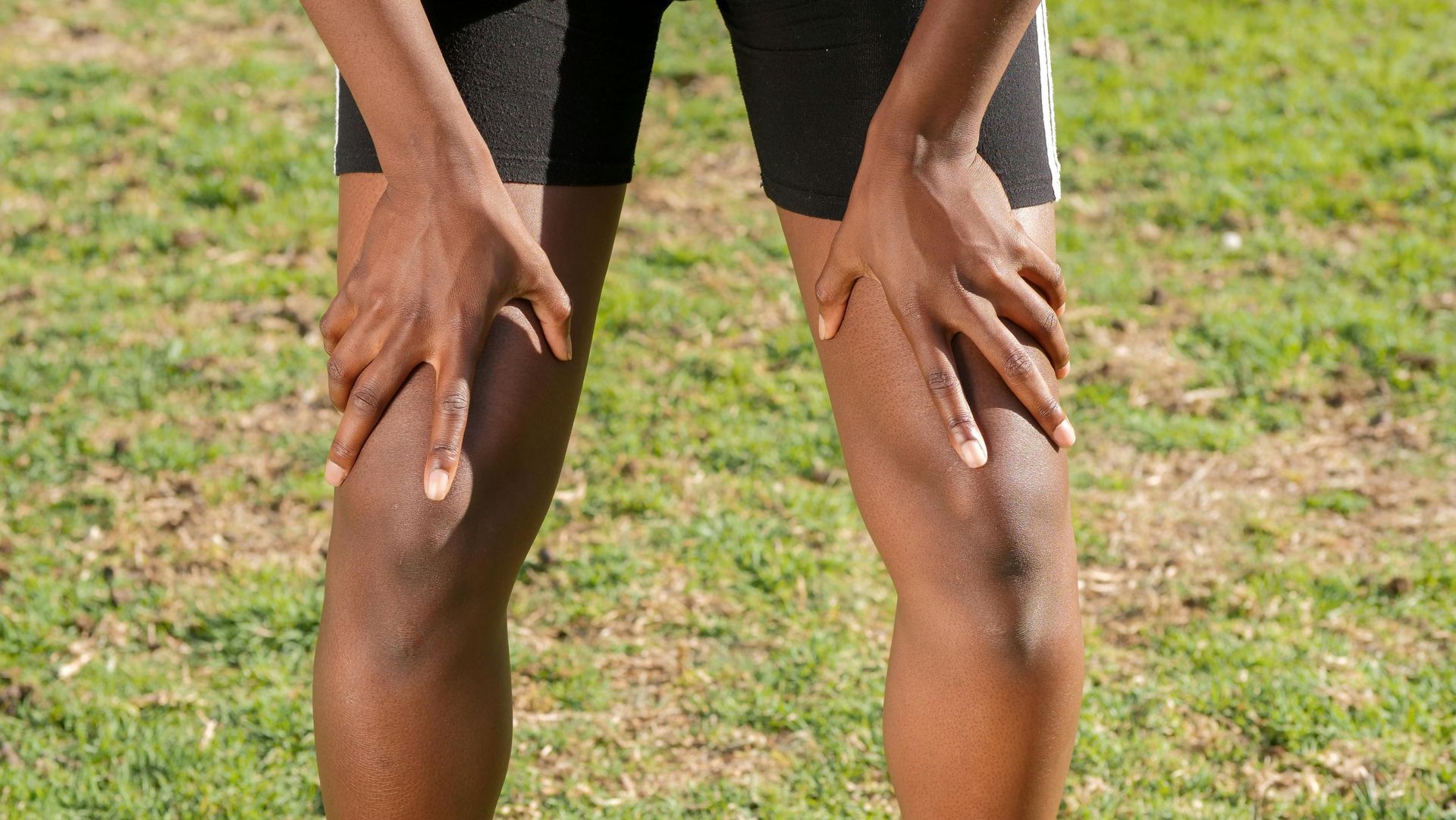
Our hip and knee osteoarthritis program combines physio assessment, education and supervised exercise to improve strength and confidence. Narrabeen & Frenchs Forest
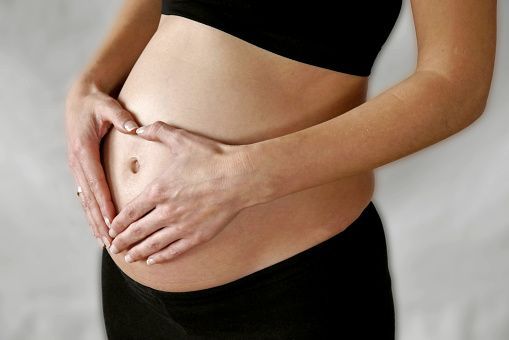
Pelvic floor physiotherapy FAQs covering pregnancy, postnatal recovery, pelvic pain and incontinence. Available in Narrabeen and Frenchs Forest.
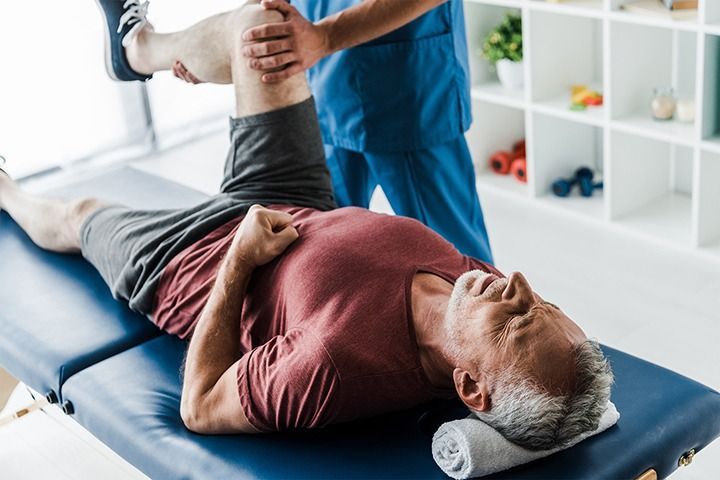
Reduce irritation, not movement Bursitis often flares with repeated irritation or overload. This doesn't mean you should stop moving, gentle movement helps maintain confidence and support recovery. Avoid prolonged pressure This may include lying on the sore side, leaning on elbow, or sitting on hard surfaces for long periods. Simple position changes and added support can significantly reduce symptoms. Settle symptom first, then rebuild strength As pain settles, gradual strengthening improves load tolerance and helps prevent flare-ups. Recovery is about building capacity - not just reducing pain.
Learn how our physiotherapy programs combine assessment, education and supervised exercise to support long-term recovery.

Looking for the best physio in the Northern Beaches? Learn what matters most to patients and how to choose the right physiotherapist.

Hip pain can come from several causes. Learn the five most common sources of hip pain and the key features physios use to tell them apart.