
Locations
How Our Physiotherapy Programs Work (and Who They’re Designed For)
Publish Date
February 9, 2026
Author
BeachLife Physiotherapy
February 9, 2026
BeachLife Physiotherapy
Many people reach physiotherapy after trying rest, generic exercises, or short-term fixes, often with mixed results. Our physiotherapy programs were designed to bridge the gap between one-off treatment and long-term self-management.
They are structured, physio-led programs that combine assessment, education, and supervised exercise to help people move with confidence again, not just temporarily feel better.
Conditions like osteoarthritis, persistent back pain, shoulder pain, or osteoporosis don’t respond well to generic advice or passive treatment alone.
They benefit from clear understanding of the condition, progressive and appropriate loading, ongoing guidance and adjustment, and support to build confidence with movement.
Our programs provide this structure while still being individualised to the person, not just the diagnosis.
While each program targets a different condition, they all follow the same clinical framework.
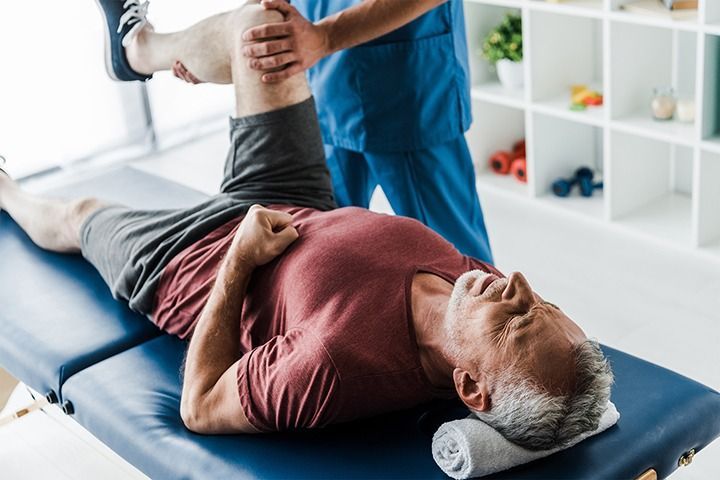
Every program begins with a one-on-one assessment with a physiotherapist.
This allows us to understand your symptoms and history, identify relevant strength, mobility or control limitations, clarify your goals and concerns, and set realistic expectations and timelines.
This assessment ensures the program is tailored to you, even when delivered in a structured format.
Education is a core part of all our programs.
We focus on helping you understand what’s actually happening in your body, what helps recovery and what doesn’t, how pain and flare-ups work, and how to safely manage load and activity.
When people understand their condition, fear reduces and confidence improves, which is a key driver of long-term progress.
Exercise is central to recovery, but only when it is appropriate, progressive, and guided.
Our programs involve physiotherapist-supervised sessions, exercises matched to your capacity and symptoms, gradual progression based on tolerance and function, and ongoing adjustments as you improve.
This isn’t about pushing through pain. It’s about building resilience safely.
Our goal isn’t to keep you coming forever.
Each program is designed to improve function and confidence, reduce flare-ups over time, equip you with strategies to self-manage, and support a return to meaningful activity.
Success looks like moving well and feeling confident long after the program ends.
Our programs are well suited to people who have ongoing or recurrent pain, want structure and guidance rather than guesswork, prefer supervised exercise with professional oversight, and are looking for long-term improvement rather than short-term relief.
They are commonly used for conditions such as osteoarthritis, persistent back pain, shoulder conditions, and osteoporosis.
Each program targets a specific condition, but the underlying approach remains the same: clear assessment, education, supervised progression, and long-term confidence.
If you’re unsure which program is right for you, a physiotherapy assessment can help guide that decision.
If you’re dealing with a condition that hasn’t settled or want a more structured approach to recovery, our physiotherapists can help you decide whether a program-based approach is right for you.

Booking online takes less than a minute. If you'd rather talk it through first, give us a call.