
Understanding Sever’s Disease: A Physiotherapist’s Guide for Growing Kids
What Is Sever’s Disease?
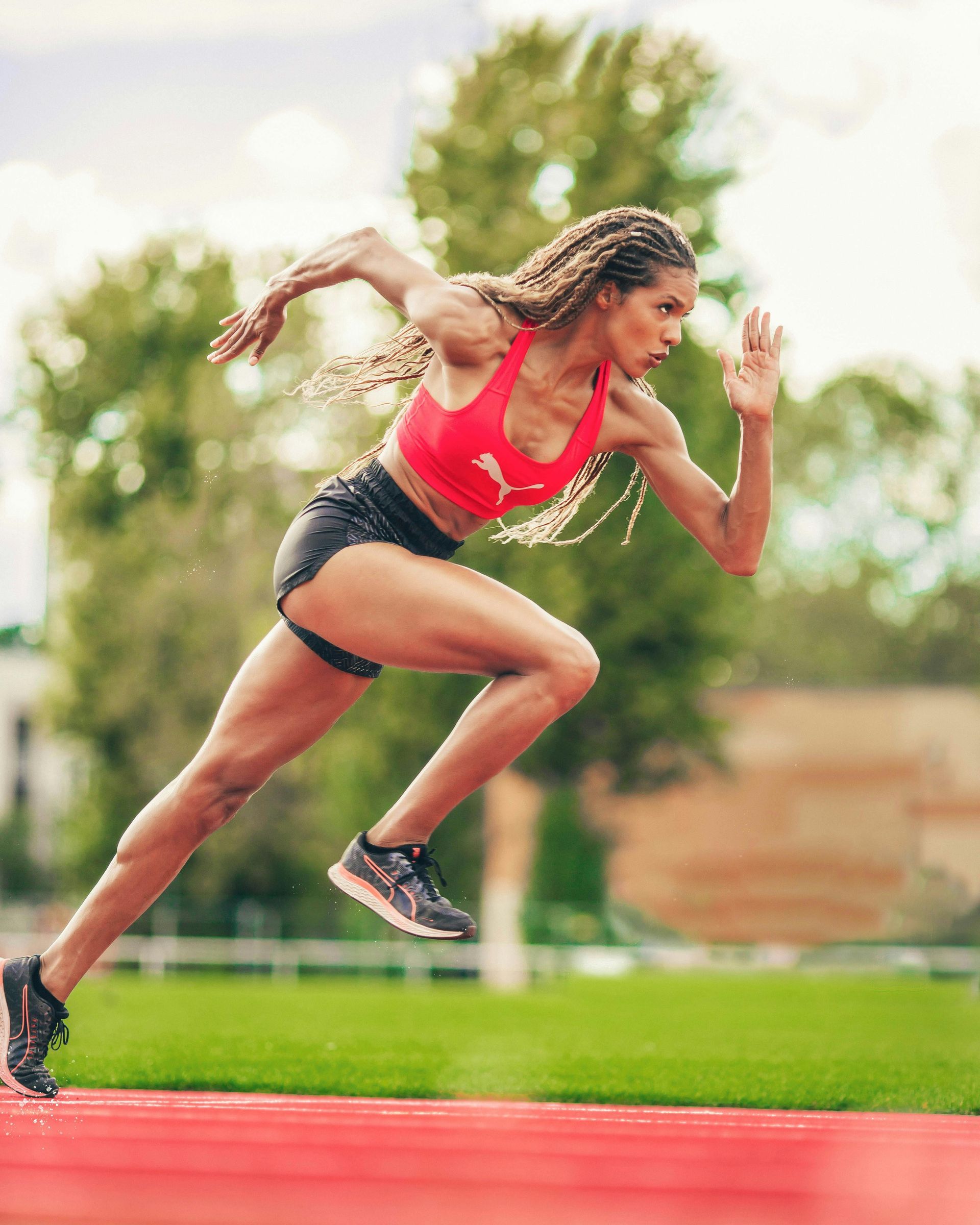
Sever’s disease (calcaneal apophysitis) is one of the most common causes of heel pain in children aged 8–14 years, especially those active in sports like soccer, basketball, or running. It occurs when the growth plate at the back of the heel becomes inflamed due to repetitive stress and overuse. This is very common in sports that involve a lot of jumping and running.
Why It Happens – The Biomechanics Behind Heel Pain
It was previously believed that severs was caused by tight calf muscles that traction on their attachment at the growth plate. Upcoming research now describes the mechanism of Severs pain to be impact dependent - thus from hitting the heel on the ground repetitively (with walking, running, jumping)
The Northern Beaches is notoriously a very active population, and that includes the children of this area. Many kids participate in several sports which come with many hours of practice. This increased load is where the overuse of heel impact begins.
Common Symptoms Parents Notice
- Heel pain, especially during or after activity
- Limping or toe-walking to avoid heel contact
- Swelling or tenderness at the back of the heel
- Pain that improves with rest
Physiotherapy Treatment: The Path to Pain-Free Movement
Typical physiotherapist’s approach includes:
- Load management: Adjusting sports participation and activity levels. Often involves partial or complete rest from sport.
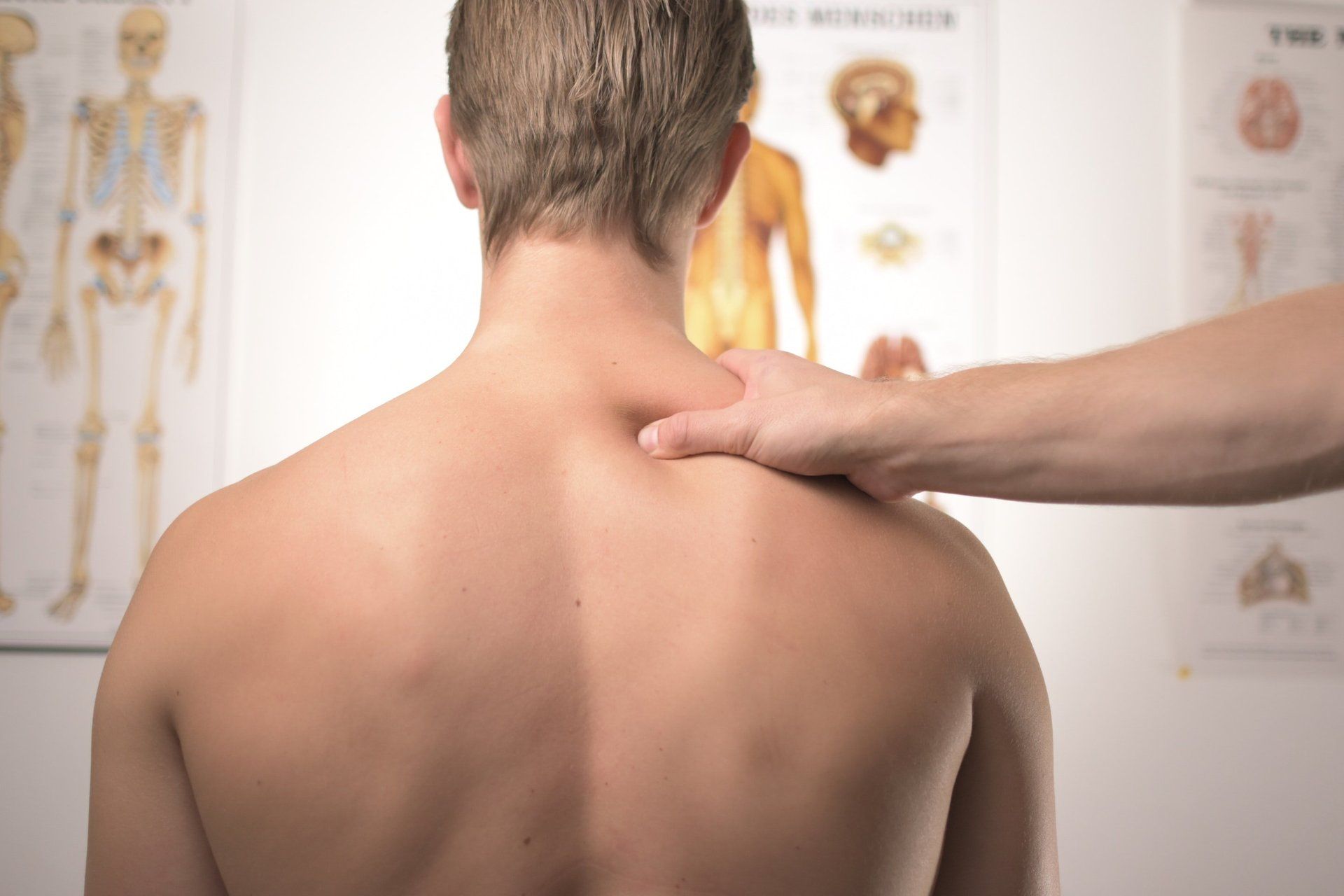
- Manual therapy: Soft tissue release for the calf and Achilles tendon.
- Stretching & strengthening: Targeted exercises to reduce tension on the heel.
- Heel supports or orthotics: Shock absorption and pressure relief
- Education: Helping parents and coaches understand recovery pacing.
How is BeachLife Physiotherapy different?
The above treatment methods are textbook treatment for Severs pain. However, they are short term fixes and normally don’t provide enough relief to keep the child as active as they want to be.
BeachLife Physio have turned away from these typical approaches to prioritise innovative purpose built Solemaid orthotics. These are inserts that go in your child’s shoe that are specifically designed for Severs Disease. They work by levitating the heel off the ground to prevent contact between the growth plate and the ground. With these orthotics, kids are able to keep playing their desired sport as it reduces the load of their heel without pulling them off the pitch. We are the only clinic on the Northern Beaches offering this service at our Narrabeen and Frenchs Forest clinics.
Preventing Future Heel Pain
The best way to prevent Severs recurrence is regressing the heel inflammation back to baseline. However, traditional treatment normally looks something like this…
1. Child gets sore heel(s)
Pain develops during running, jumping, or sport.
2. Child rests from sport
Activity is reduced or stopped to allow the heel to settle.
3. Heels feel better
Pain improves with rest and reduced loading.
4. Child returns to sport
Normal activity resumes once symptoms settle.
5. Heels get sore again – Pain Returns
The growth plate becomes irritated again with increased load.
…And the Cycle Repeats
This cycle doesn’t allow the growth plate enough time to heal and come back to baseline.
So how do you do that?
You could rest from sport for an extended period of time.. But your child will still be walking all day and probably running around the playground.
This is where Solemaids come in… because everytime they walk and run, their growth plate doesn’t impact the ground, so it gets complete rest.
Your Next Step: Get a Physiotherapy Assessment
✅ Read our Solemaids information page for our recomended first line treatment of severs
✅ Book an appointment with one of our specialised Northern Beaches based physios
✅ Call (02) 9970 7982 if you have any question