


A Parent’s Guide to Catching Overuse Injuries Early

BeachLife Physiotherapy • 20 November 2025

Overuse injuries in young athletes often creep in slowly, without a single “moment” of injury. Catching them early can prevent long breaks from sport and protect long-term development. Here are the key things for parents to watch for.


1. Monitor Training Load
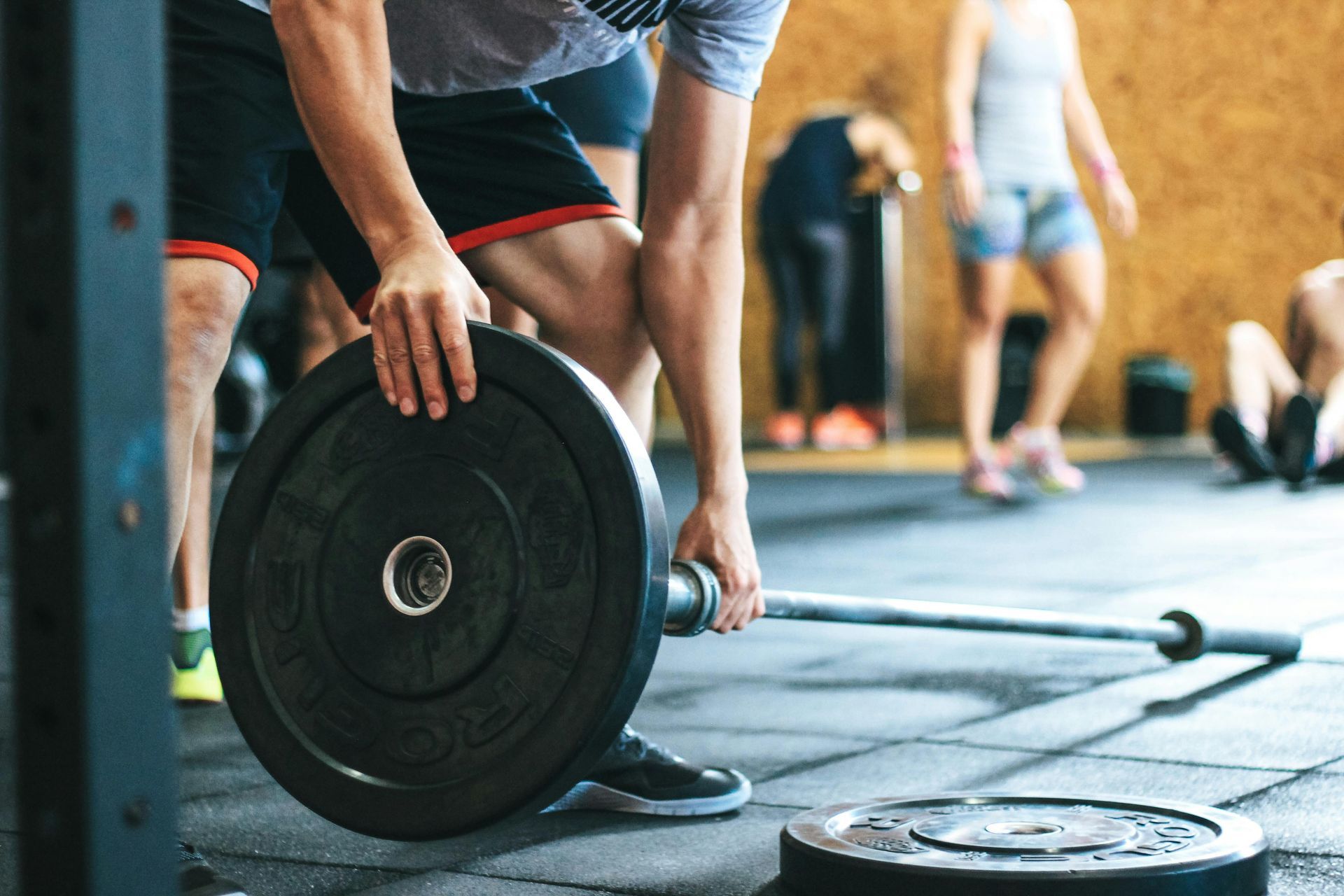
Overtraining is the biggest risk factor. Kids who train more than 20 hours per week have around
three times the risk of overuse injuries (NATA Position Statement, 2011). You might not be able to reduce training hours, but you can prioritise rest, sleep and recovery on non-training days.


2. Pay Attention During Growth Spurts
Big growth periods increase injury risk. You may notice changes in how your child moves, performs or describes discomfort. This is a time to reduce load where possible or modify training demands.
During rapid growth, injury risk rises because:
• Flexibility and coordination temporarily decrease
• Strength imbalances often appear (e.g., quads overpower hamstrings)
• Apophyseal growth plates are more vulnerable
• Neuromuscular control and movement efficiency decline


3. Act Early on Pain — Especially Near Joints
Growth plates sit close to the joints of the knee, heel, hip, wrist, elbow and shoulder, and they are more sensitive during growth. Kids should not have persistent or sharp pain when playing sport. New pain — especially around joints — should be addressed early to prevent an overuse injury from developing.


When to Seek Help
If your child is suddenly limping, modifying how they move, avoiding certain drills or frequently mentioning soreness, it’s best to have them assessed. Early management makes a big difference in recovery and ongoing participation.


Need Guidance? We Can Help
At our
Narrabeen and Frenchs Forest clinics, we see young athletes from a wide range of sports and can help detect issues early, manage load and create a safe return-to-sport plan. If you’re unsure whether a new pain is “normal” or something to act on, booking an assessment is the safest approach.

by BeachLife Physiotherapy 19 February 2026
Pelvic floor physiotherapy FAQs covering pregnancy, postnatal recovery, pelvic pain and incontinence. Available in Narrabeen and Frenchs Forest.
by BeachLife Physiotherapy 9 February 2026
Reduce irritation, not movement Bursitis often flares with repeated irritation or overload. This doesn't mean you should stop moving, gentle movement helps maintain confidence and support recovery. Avoid prolonged pressure This may include lying on the sore side, leaning on elbow, or sitting on hard surfaces for long periods. Simple position changes and added support can significantly reduce symptoms. Settle symptom first, then rebuild strength As pain settles, gradual strengthening improves load tolerance and helps prevent flare-ups. Recovery is about building capacity - not just reducing pain.
Man setting up strength exercise
by BeachLife Physiotherapy 9 February 2026
Learn how our physiotherapy programs combine assessment, education and supervised exercise to support long-term recovery.
Physio with healing aura
by BeachLife Physiotherapy 27 January 2026
Looking for the best physio in the Northern Beaches? Learn what matters most to patients and how to choose the right physiotherapist.
Woman performing hip stretch exercise to relieve hip pain
by BeachLife Physiotherapy 16 January 2026
Hip pain can come from several causes. Learn the five most common sources of hip pain and the key features physios use to tell them apart.
Man supporting his lower back with his hands
by BeachLife Physiotherapy 12 January 2026
A sudden flare of lower back pain is common and rarely serious. Learn what to do first, what helps recovery, and when to seek review.
Physio assists patient with hamstring stretch
by BeachLife Physiotherapy 8 January 2026
Pre-surgery physio builds strength and confidence before your operation. Learn how our Narrabeen and Frenchs Forest clinics support your recovery.
Child with Severs disease related heel pain
by BeachLife Physiotherapy 5 January 2026
Learn how our physiotherapists help children with Sever’s disease using custom-fitted Solemaid insole. Reduce heel pain, improve comfort, and keep your child active.
Patients participating in the local Sun Run event, from Dee Why to Manly
by BeachLife Physiotherapy 30 December 2025
Running the Sun Run from Dee Why to Manly? Our Northern Beaches physios share tips to prevent running injuries and train smart this summer. Narrabeen Frenchs Forest
by BeachLife Physiotherapy 24 December 2025
Stay healthy during Christmas with simple activity tips and injury advice. Our Narrabeen and Frenchs Forest physios are open except public holidays. Merry Christmas