

Feeling ready to return to sport after an injury?
BeachLife Physiotherapy • 10 November 2025
Feeling good is great — but it doesn’t always mean you’re ready to return to sport safely. A proper Return to Sport (RTS) assessment helps ensure your body is prepared for the demands of training and competition.
What an RTS Assessment Includes
A thorough RTS assessment looks at four key areas:
- Strength and Power Symmetry
Making sure both sides of the body can produce force evenly. - Balance and Movement Control
Assessing coordination, landing mechanics and stability. - Confidence and Mental Readiness
Returning confidently is just as important as returning physically. - Sport-Specific Performance Tests
Testing movements, skills and demands unique to your sport.
Returning too early increases the risk of reinjury. A structured RTS assessment gives you a clear, objective picture of your readiness and what still needs work.
Thinking About Your Comeback?
We perform comprehensive RTS assessments at both our
Narrabeen and Frenchs Forest clinics to help athletes return safely — and stay back. If you're working toward a return to sport, book an assessment and set yourself up for a confident comeback.

Prepare for Beach2Beach with smart training, tapering and nutrition advice, plus free recovery support from BeachLife Physio.

Sports taping and bracing can support some injuries and help you stay active while completing the rehab needed for recovery.
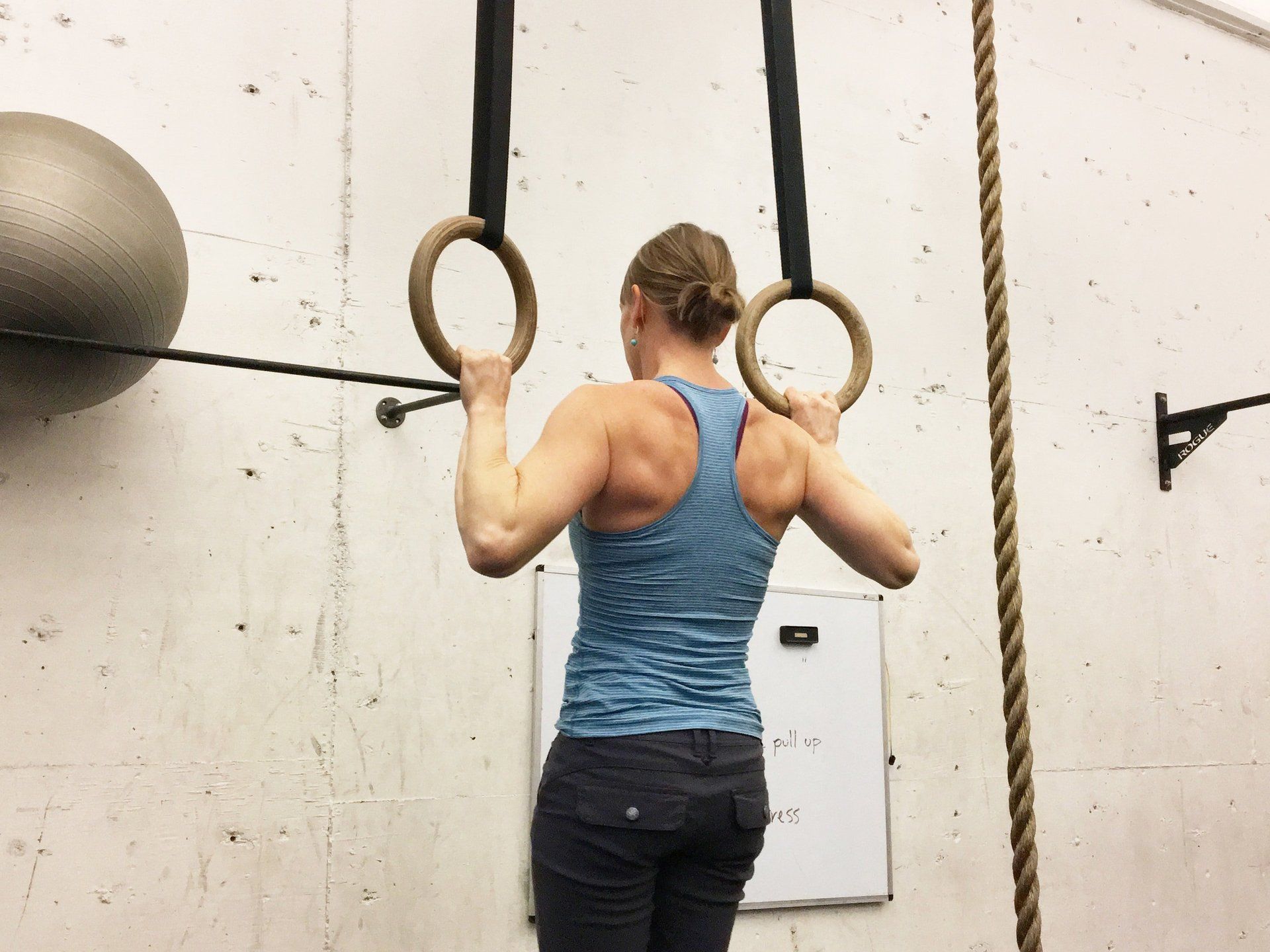
Our rotator cuff program combines physio assessment, education and supervised exercise to improve shoulder strength and confidence.

BeachLife Physio Lower back pain program using assessment, education and supervised exercise to improve function and reduce flare-ups. Frenchs Forest & Narrabeen
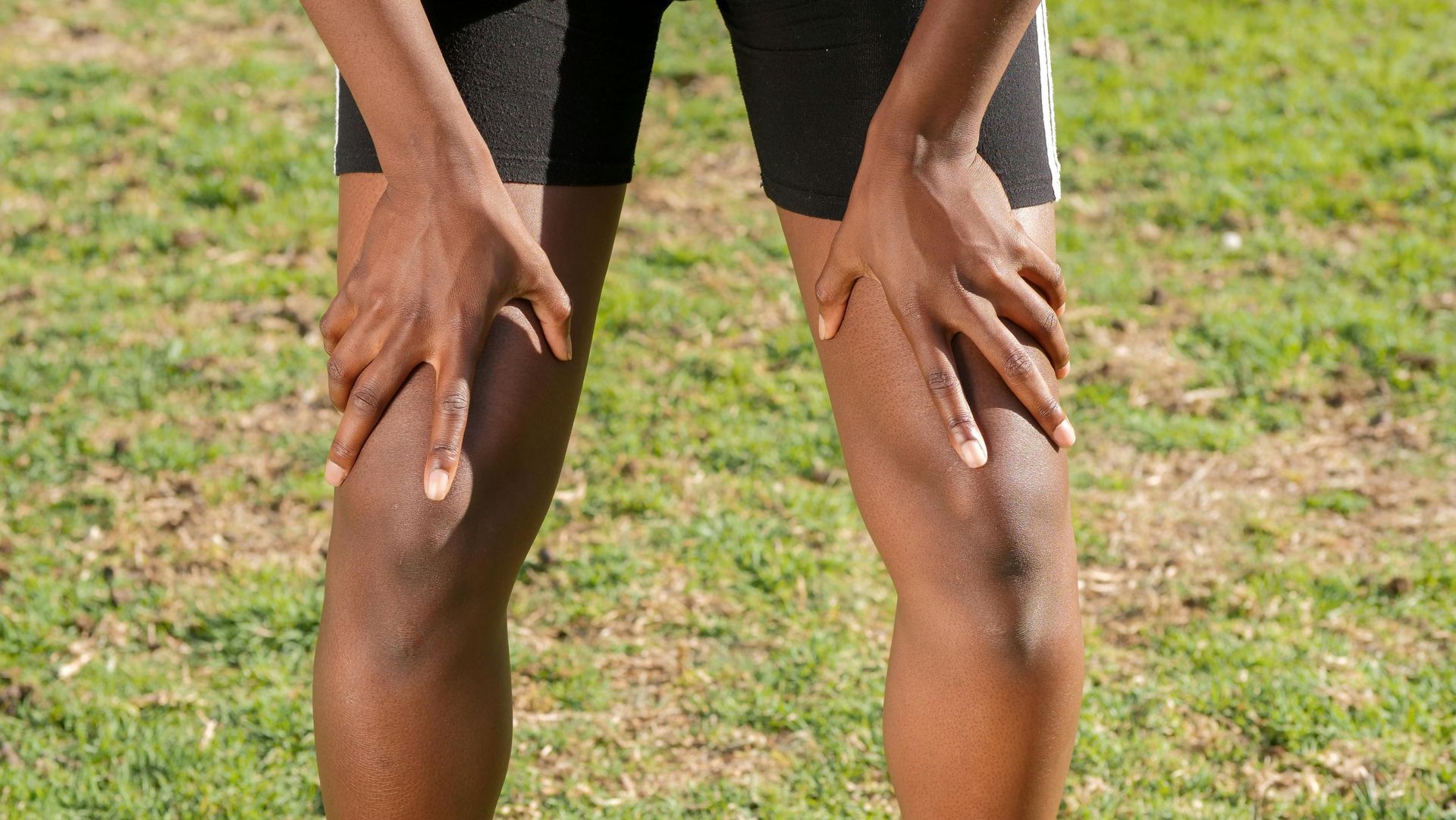
Our hip and knee osteoarthritis program combines physio assessment, education and supervised exercise to improve strength and confidence. Narrabeen & Frenchs Forest
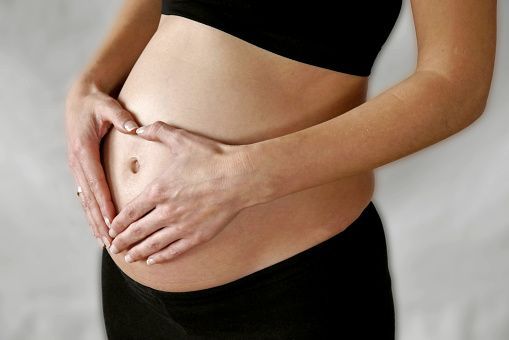
Pelvic floor physiotherapy FAQs covering pregnancy, postnatal recovery, pelvic pain and incontinence. Available in Narrabeen and Frenchs Forest.
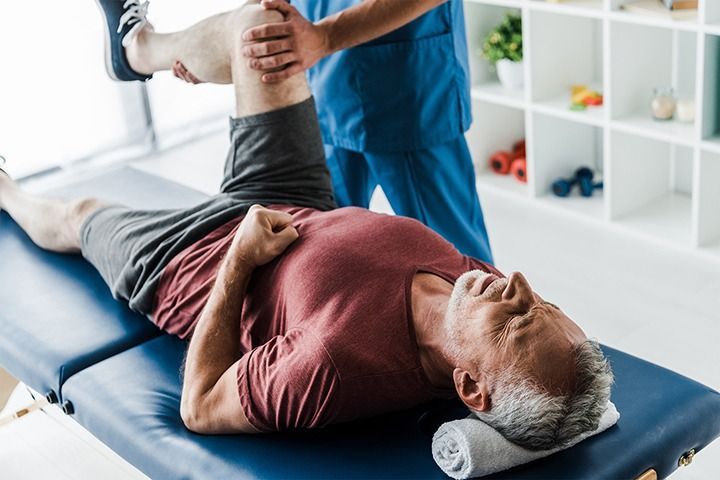
Reduce irritation, not movement Bursitis often flares with repeated irritation or overload. This doesn't mean you should stop moving, gentle movement helps maintain confidence and support recovery. Avoid prolonged pressure This may include lying on the sore side, leaning on elbow, or sitting on hard surfaces for long periods. Simple position changes and added support can significantly reduce symptoms. Settle symptom first, then rebuild strength As pain settles, gradual strengthening improves load tolerance and helps prevent flare-ups. Recovery is about building capacity - not just reducing pain.

Learn how our physiotherapy programs combine assessment, education and supervised exercise to support long-term recovery.

Looking for the best physio in the Northern Beaches? Learn what matters most to patients and how to choose the right physiotherapist.

Hip pain can come from several causes. Learn the five most common sources of hip pain and the key features physios use to tell them apart.