


Knee Pain While Running?
BeachLife Physio • 22 May 2020
How to Prevent Knee Pain When Running:

Anterior knee pain
- Also known as 'runners knee': pain over the knee cap or front of the knee.
- Very common in running.
- Occurs when there is an increase or change in load (i.e. an increase in the amount of running you're doing).
- Multiple other factors are involved in why this may be happening, such as poor lower limb strength, poor movement control, decreased flexibility and running style.
Tip #1 - Modify your load
- Initially decease the amount of running you are doing to a load (distance, time or speed) you can tolerate without pain.
- Avoid running down hill and stairs, decrease your speed.
- Modify or decrease activities that put a high load through the knee joint, including going up-down stairs, doing deep squats and lunges, and heavy seated knee extensions.
Tip #2 - Reduce pain while running
- Run only a load (distance, time or speed) that keeps your pain less than 2/10 during running, and that settles quickly when you stop.
- One way you can do this is by increasing your running frequency, but decrease the distance or speed you run.
Tip #3 - Strengthening
- The main muscles that affect knee pain are the gluteals and quadriceps.
- Initially isometric exercises for these muscles can help to increase muscle activity while avoiding pain.
- Exercises can be increased gradually as pain decreases.
- Here are some examples:
- Sidelying hip abduction
- 1/4 lunges
- 1/4 squats
Tip #4 - Improve single leg control
- Hip and knee control is vital in activities such as walking, running and jumping.
- Ensure when doing exercises for single leg control that your hip, knee, and ankle remain in a straight line throughout.
- Don't let your hip drop out to the side.
- Make sure your knee stays in line with the 1st and 2nd toes.
- Here are some examples:
- Single leg squats
- Single leg balance
Tip #5 - Trial altering your running style
- Increase your cadence (step rate) by 10%.
- Ensure your knees aren't brushing together when you run.
- Staying tall/upright while running.
- If you continue to experience pain, a running assessment will be beneficial to you for individualised strengthening and technique modification.
Our rotator cuff program combines physio assessment, education and supervised exercise to improve shoulder strength and confidence.

BeachLife Physio Lower back pain program using assessment, education and supervised exercise to improve function and reduce flare-ups. Frenchs Forest & Narrabeen
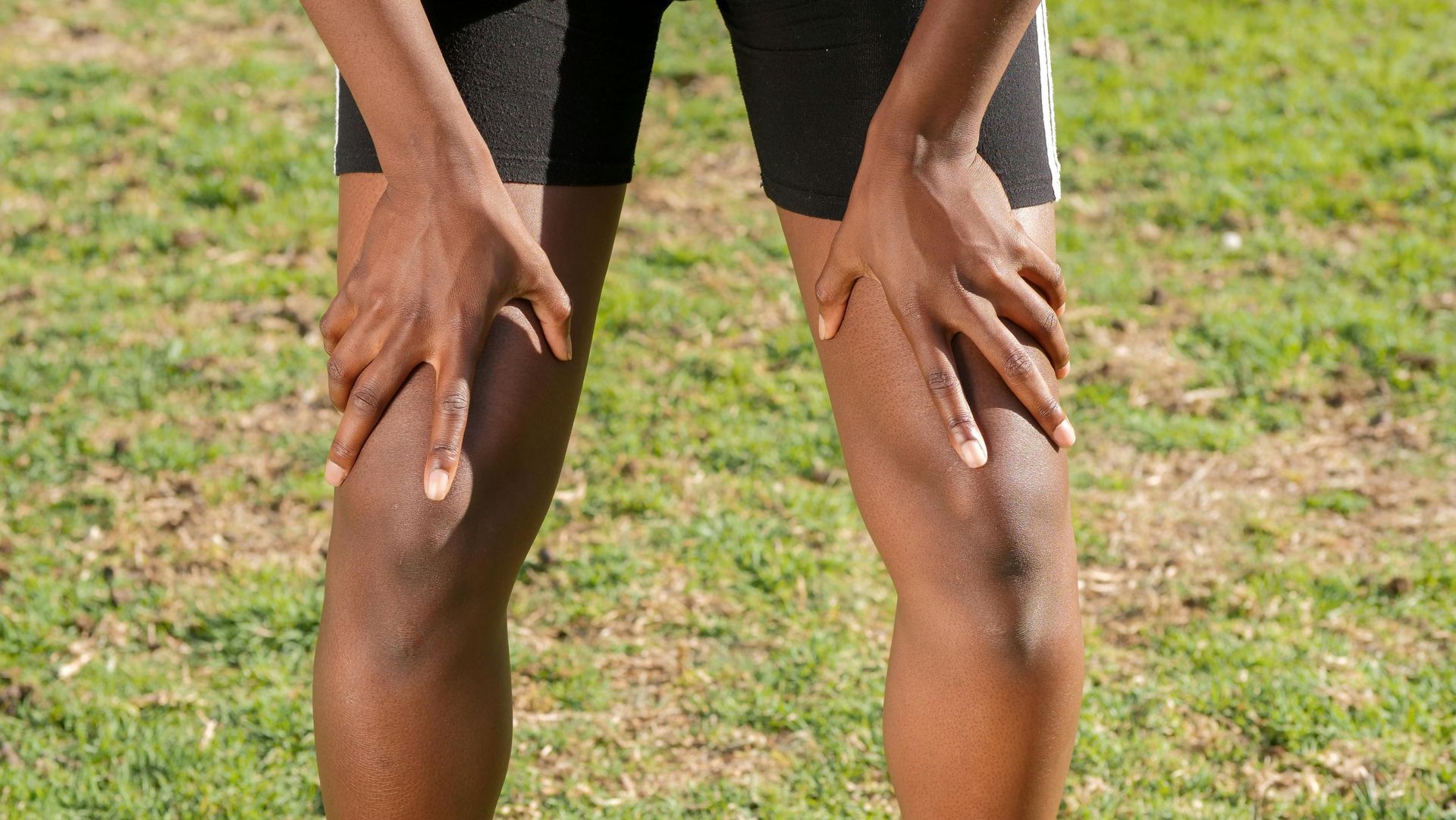
Our hip and knee osteoarthritis program combines physio assessment, education and supervised exercise to improve strength and confidence. Narrabeen & Frenchs Forest

Pelvic floor physiotherapy FAQs covering pregnancy, postnatal recovery, pelvic pain and incontinence. Available in Narrabeen and Frenchs Forest.
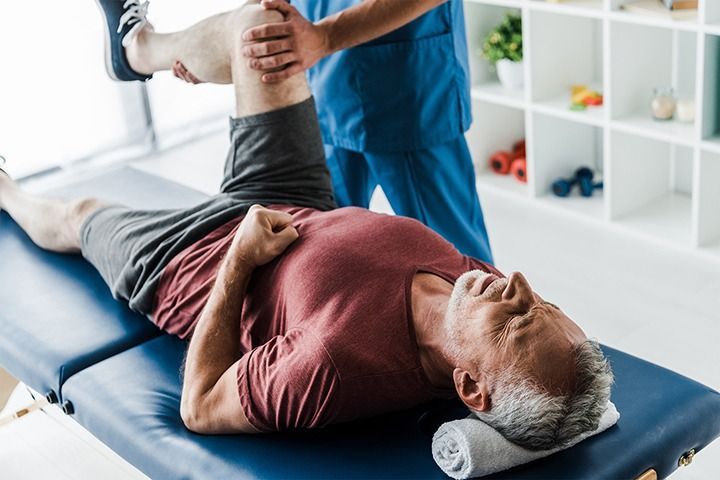
Reduce irritation, not movement Bursitis often flares with repeated irritation or overload. This doesn't mean you should stop moving, gentle movement helps maintain confidence and support recovery. Avoid prolonged pressure This may include lying on the sore side, leaning on elbow, or sitting on hard surfaces for long periods. Simple position changes and added support can significantly reduce symptoms. Settle symptom first, then rebuild strength As pain settles, gradual strengthening improves load tolerance and helps prevent flare-ups. Recovery is about building capacity - not just reducing pain.

Learn how our physiotherapy programs combine assessment, education and supervised exercise to support long-term recovery.

Looking for the best physio in the Northern Beaches? Learn what matters most to patients and how to choose the right physiotherapist.

Hip pain can come from several causes. Learn the five most common sources of hip pain and the key features physios use to tell them apart.
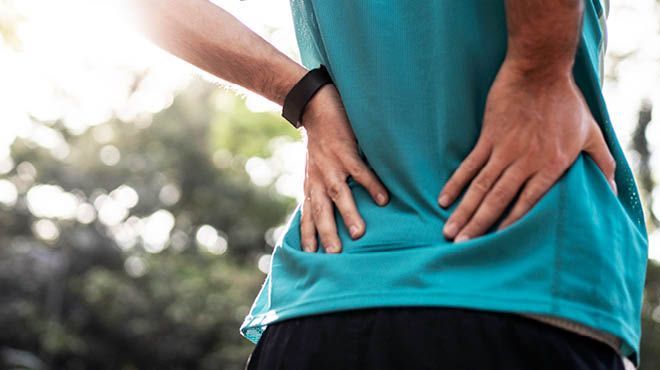
A sudden flare of lower back pain is common and rarely serious. Learn what to do first, what helps recovery, and when to seek review.
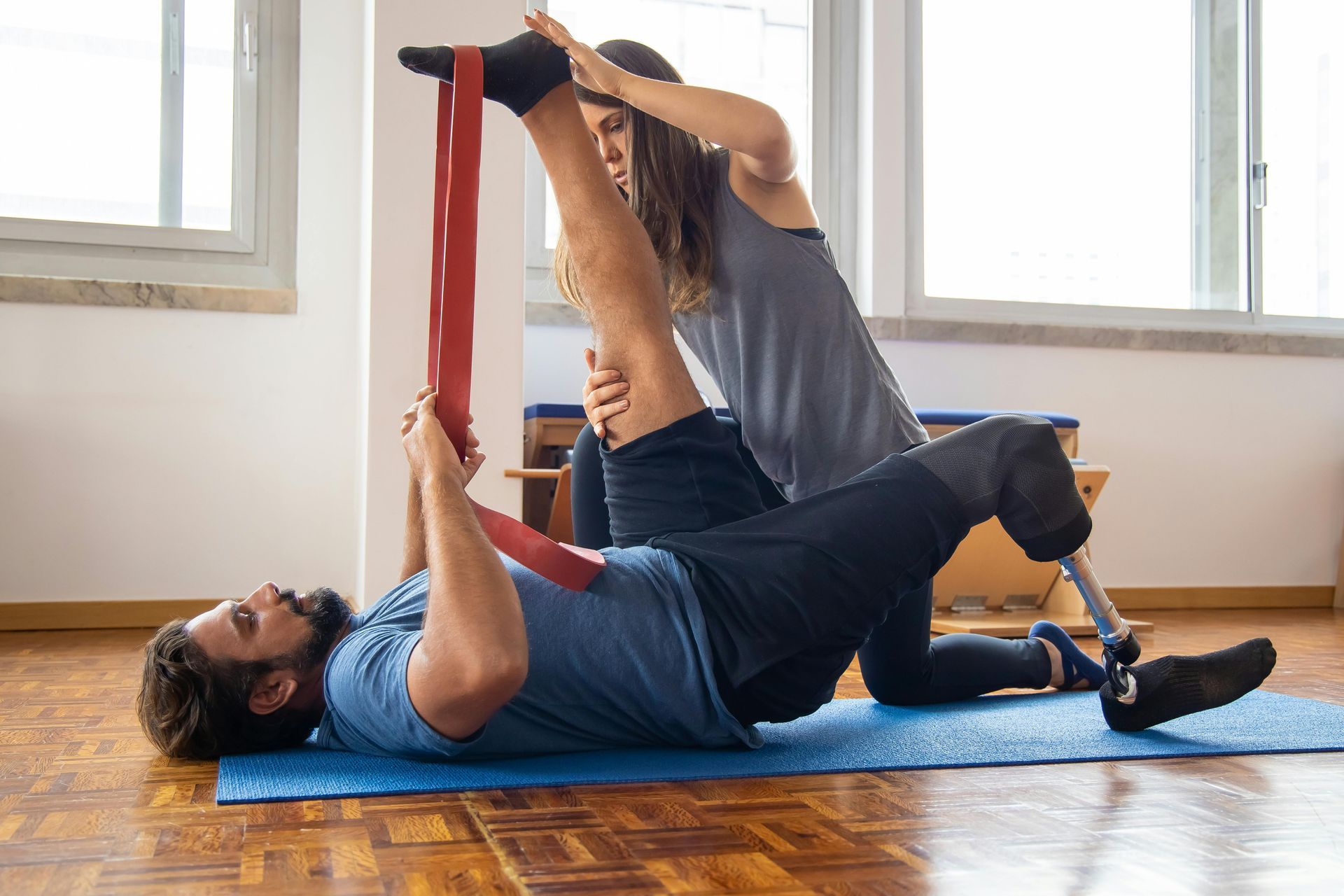
Pre-surgery physio builds strength and confidence before your operation. Learn how our Narrabeen and Frenchs Forest clinics support your recovery.