


Bored in isolation? Running more?
BeachLife Physio • 8 May 2020
Use these helpful tips to safely increase your running and reduce the risk of injury
Tip #1 - Equipment
- Casual running requires only one essential piece of equipment, and that's a good pair of shoes!
- Running shoes should be in relatively good condition, especially if you plan on running on trails or the road.
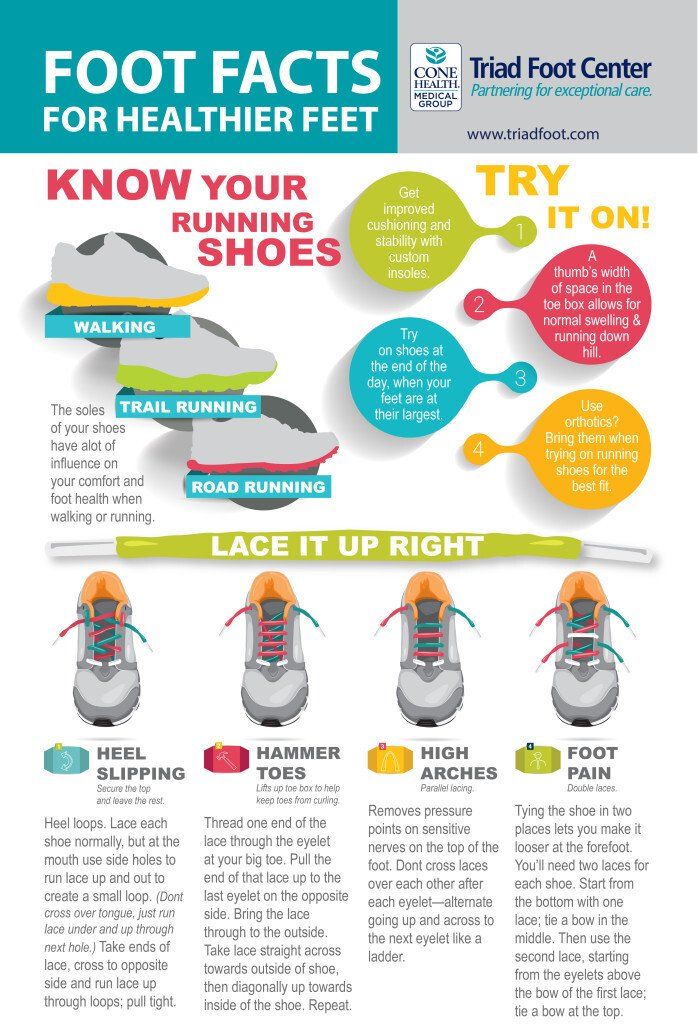
- Running shoes should be comfortable, and suit your foot shape. We recommend a visit to your local running/shoe shop, or see our tips on selecting the perfect shoe!
Tip #2 - Warm up
- It is important to warm up correctly before setting off on a run!
- Are static exercised the optimum warm-up exercise? Not necessarily!
- While stretching is an important way of maintaining flexibility, an active warm up routine, incorporating lunges, squats and light jogging will be more effective before your run
Tip #3 - Pacing/increasing distance
- One of the biggest risk factors for injury while running is doing too mu ch, too quickly!
- If you're new to running, complete a few short runs (of less than 3km), before starting to add 1km per run.
- Initially, pace isn't important! Just completing your run is an achievement, only start to improve your times once you are comfortable with the distance you are running!
- Avoid spikes in training load to reduce the risk of injury (try not to increase your weekly mileage by more than 10% per week).
Tip #4 - Increase your steps
- One of the easiest ways to reduce forces on the body and reduce the risk of injury while running, is to increase your steps/minute, or cadence!
- A cadence of 160-170 steps/min is normal in everyday runners, while elite athletes will strike the ground at around 180spm (there's a target to aim for).
- Increasing cadence will decrease the forces felt throughout the knee, as well as a number of other things, check out our infographic!
Tip #5 - Recovery
- After a long run, you must allow your body to recover correctly!
- Ensure that you re-hydrate after a long run, especially on a hot day.
- Make sure you are eating and sleeping properly, this gives your body the greatest chance at recovering quickly.
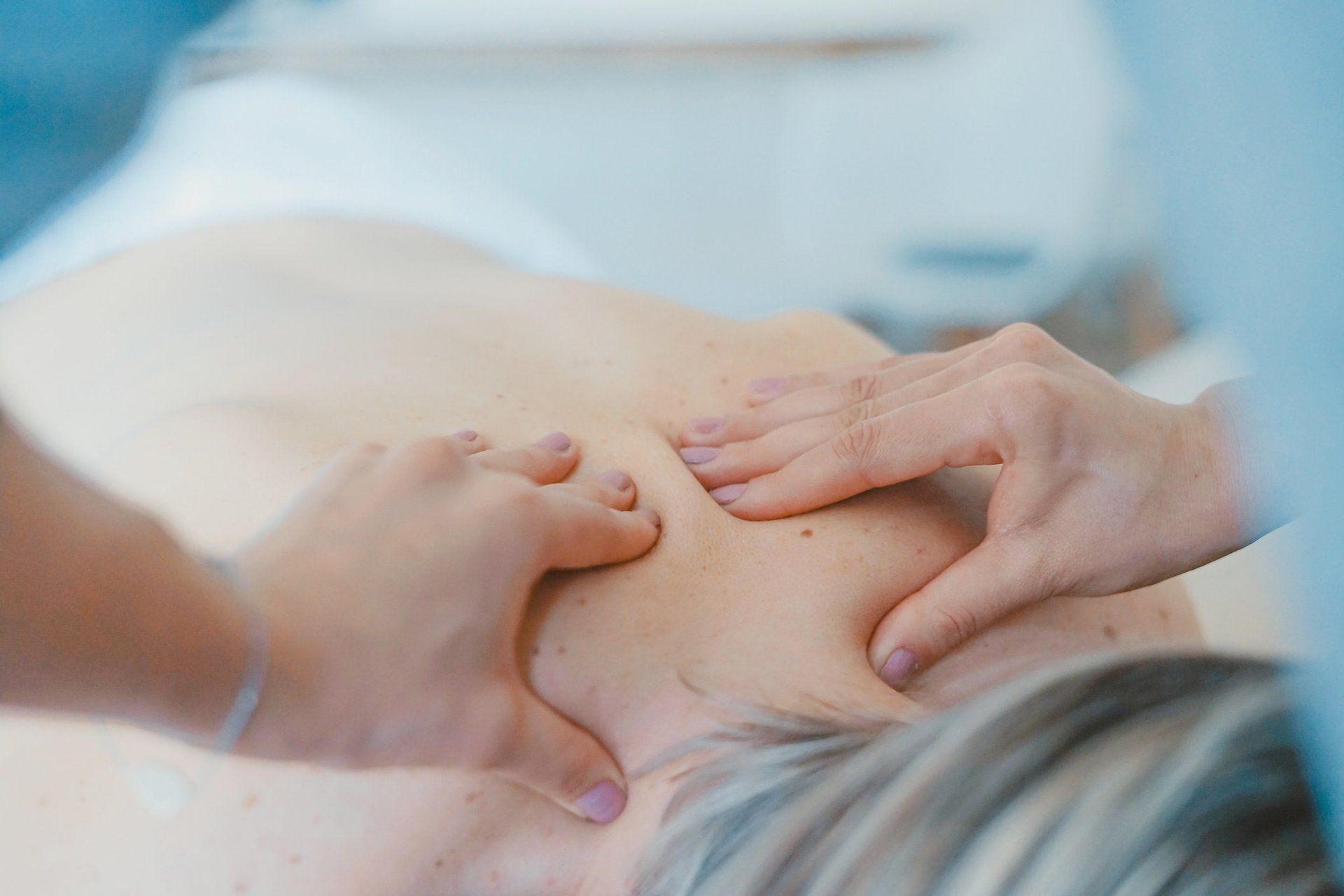
- Massage is fantastic for easing sore muscles - here at Beachlife we offer both remedial and relaxation massages!New paragraph
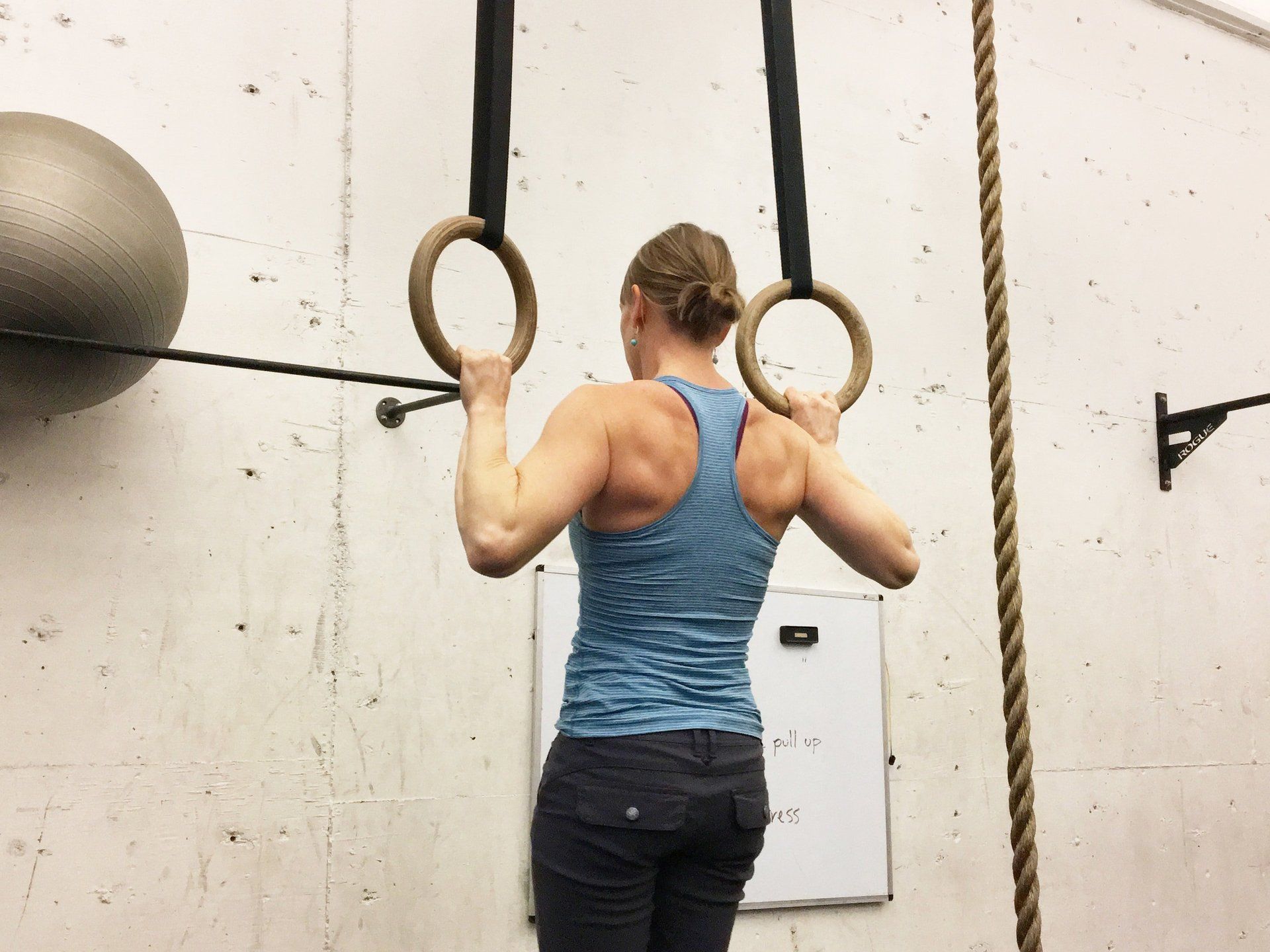
Our rotator cuff program combines physio assessment, education and supervised exercise to improve shoulder strength and confidence.

BeachLife Physio Lower back pain program using assessment, education and supervised exercise to improve function and reduce flare-ups. Frenchs Forest & Narrabeen
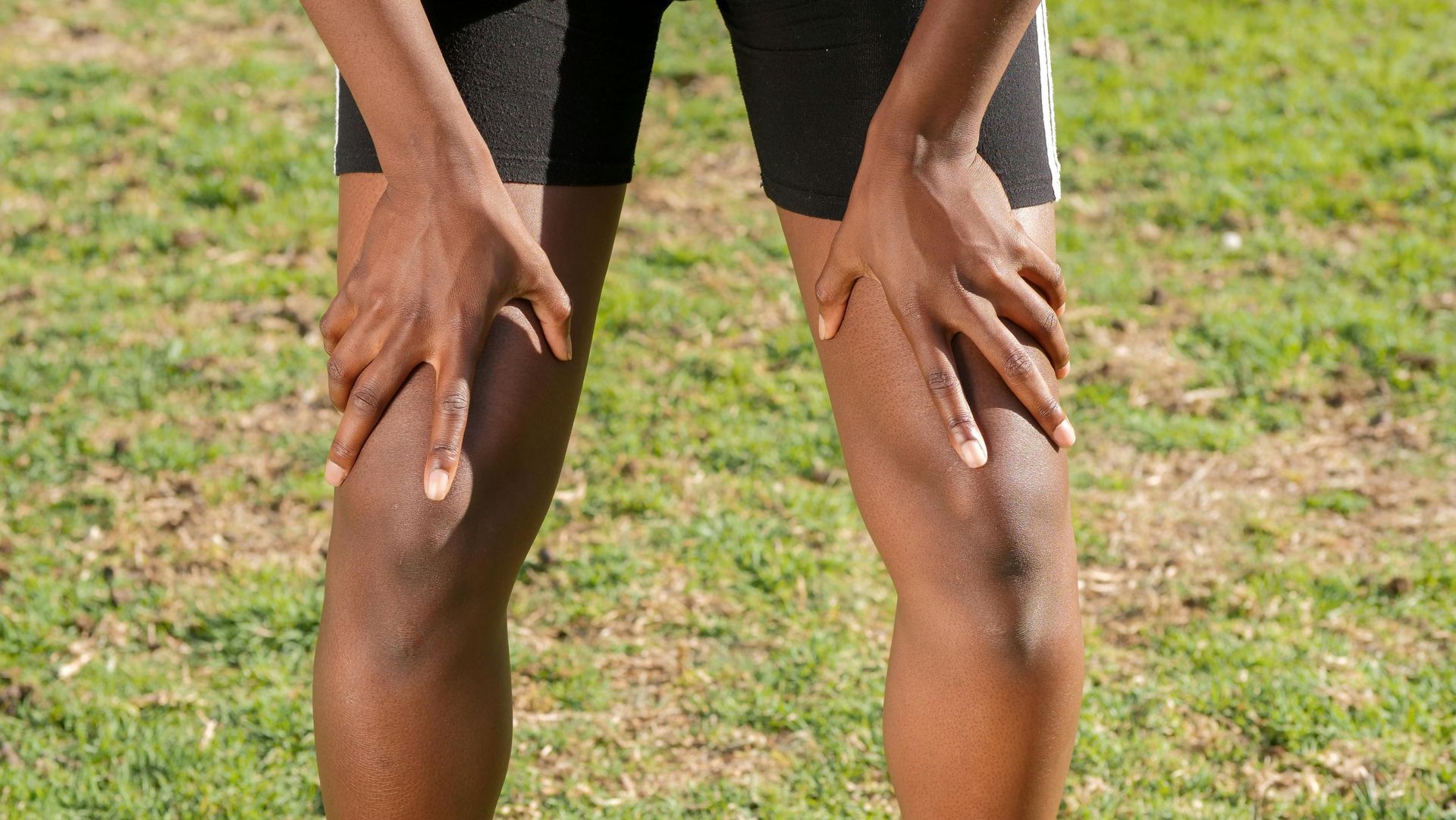
Our hip and knee osteoarthritis program combines physio assessment, education and supervised exercise to improve strength and confidence. Narrabeen & Frenchs Forest

Pelvic floor physiotherapy FAQs covering pregnancy, postnatal recovery, pelvic pain and incontinence. Available in Narrabeen and Frenchs Forest.
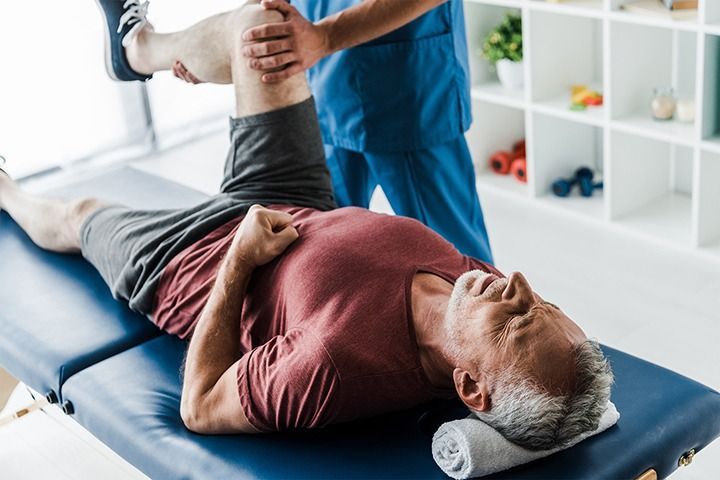
Reduce irritation, not movement Bursitis often flares with repeated irritation or overload. This doesn't mean you should stop moving, gentle movement helps maintain confidence and support recovery. Avoid prolonged pressure This may include lying on the sore side, leaning on elbow, or sitting on hard surfaces for long periods. Simple position changes and added support can significantly reduce symptoms. Settle symptom first, then rebuild strength As pain settles, gradual strengthening improves load tolerance and helps prevent flare-ups. Recovery is about building capacity - not just reducing pain.

Learn how our physiotherapy programs combine assessment, education and supervised exercise to support long-term recovery.

Looking for the best physio in the Northern Beaches? Learn what matters most to patients and how to choose the right physiotherapist.

Hip pain can come from several causes. Learn the five most common sources of hip pain and the key features physios use to tell them apart.
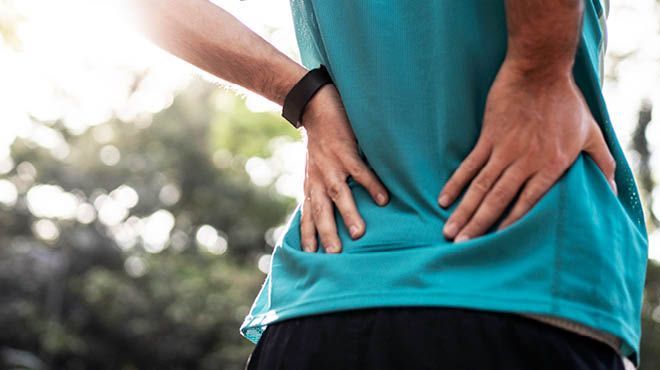
A sudden flare of lower back pain is common and rarely serious. Learn what to do first, what helps recovery, and when to seek review.
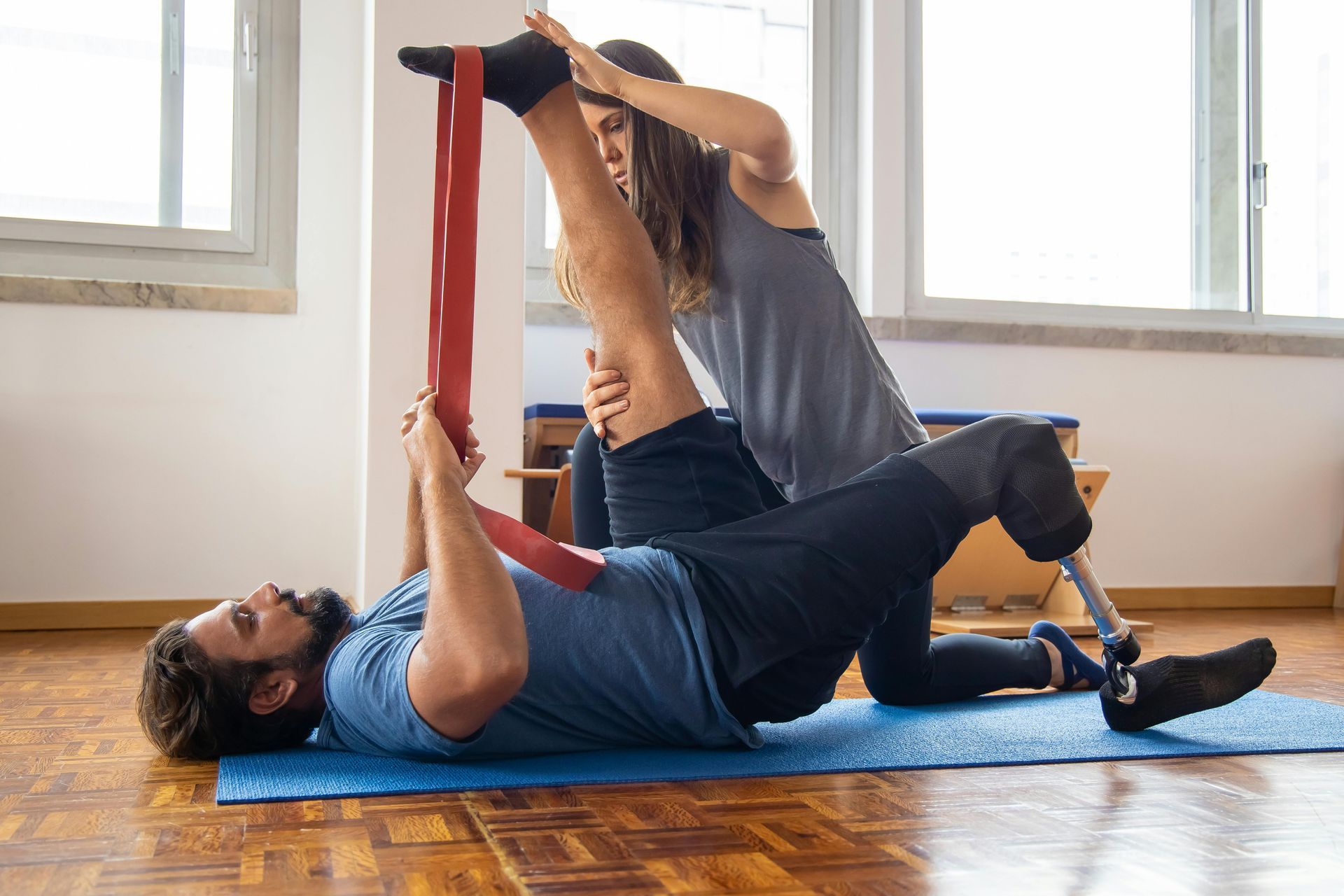
Pre-surgery physio builds strength and confidence before your operation. Learn how our Narrabeen and Frenchs Forest clinics support your recovery.