


Falls in the Elderly
BeachLife Physio • 22 October 2018
5 Common Risk Factors
Unfortunately, as we get older we are more likely to sustain a fall that can have a serious impact on our health, living situation and families. Many factors can contribute to or cause a fall. Risk factors (apart from age) can be modified and the risk reduced.
#1: Sensory Problems --> Poor sight and balance difficulties
#2: Symptoms of dizziness and vertigo
#3: Reduced muscle strength in the legs
#4: Hazards at home or inappropriate walking aids
#5: Taking more than 4 medications
Each year one third of people aged over 65 years experience a fall!
5 Tips to Reduce the Risk of Falls
#1: Assess the home environment for any trip hazards
#2: A physiotherapist will identify problem areas and provide exercises to reduce their impact
#3: A physiotherapist can recommend and fit a walking aid if it is required
#4: Complete a regular exercise program focusing on strength and balance
#5: Review your medications with your doctor
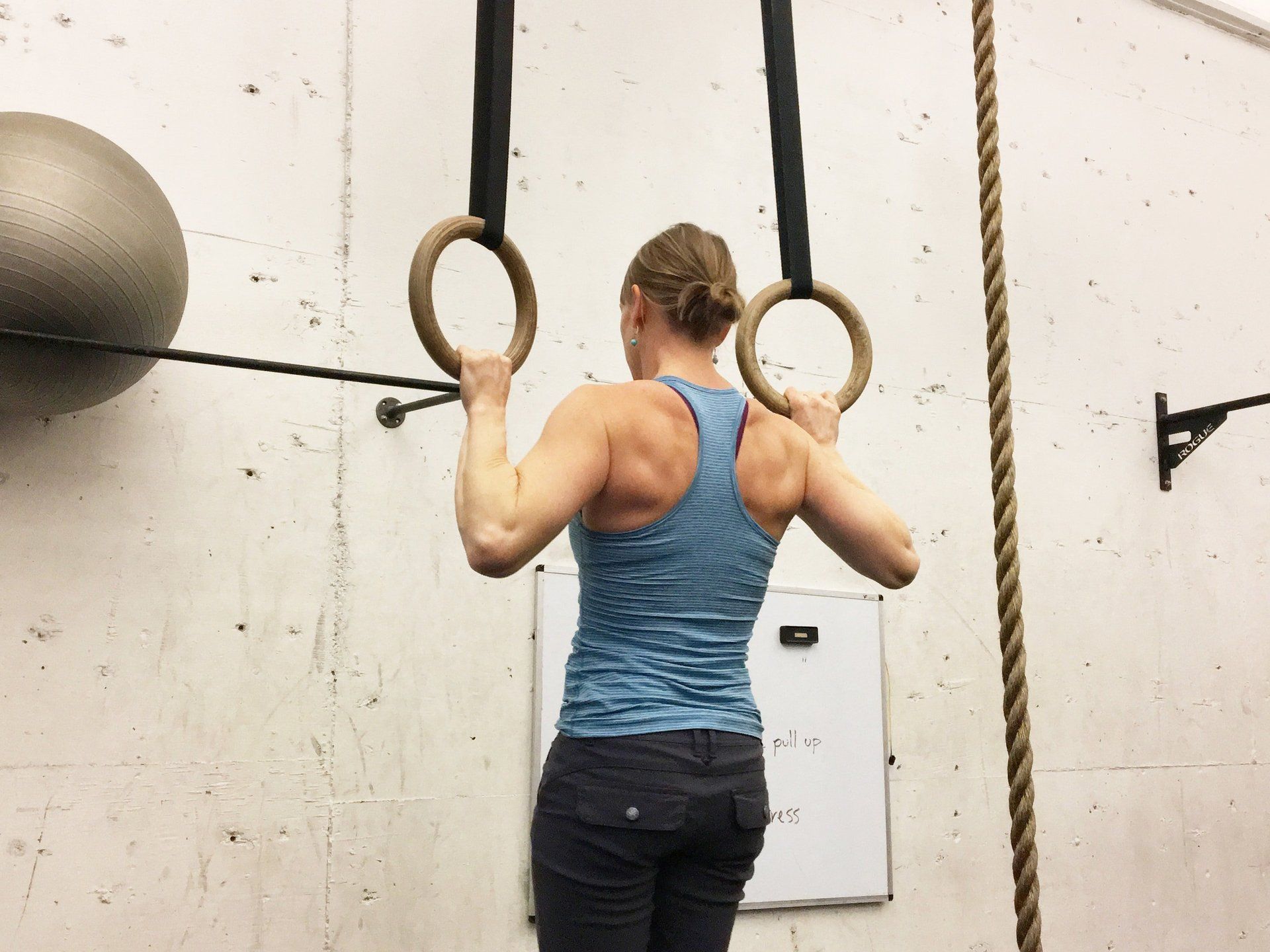
Our rotator cuff program combines physio assessment, education and supervised exercise to improve shoulder strength and confidence.

BeachLife Physio Lower back pain program using assessment, education and supervised exercise to improve function and reduce flare-ups. Frenchs Forest & Narrabeen
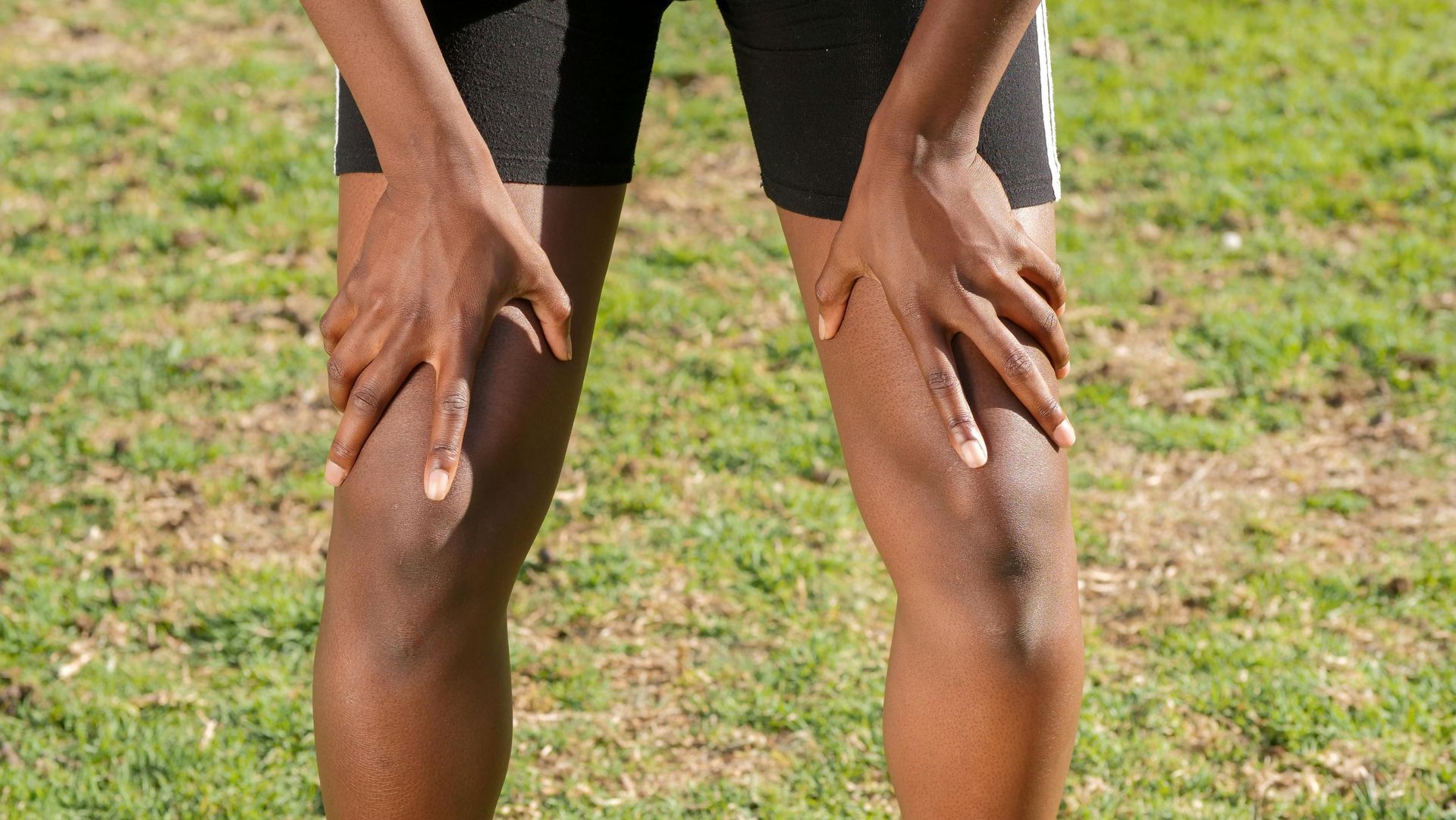
Our hip and knee osteoarthritis program combines physio assessment, education and supervised exercise to improve strength and confidence. Narrabeen & Frenchs Forest
Pelvic floor physiotherapy FAQs covering pregnancy, postnatal recovery, pelvic pain and incontinence. Available in Narrabeen and Frenchs Forest.
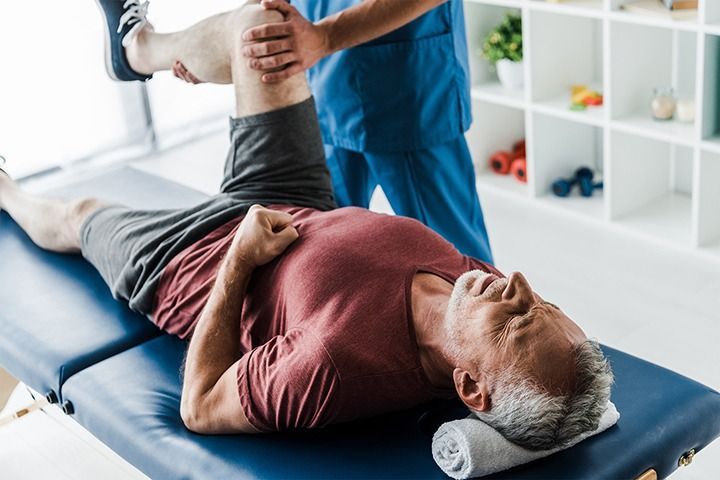
Reduce irritation, not movement Bursitis often flares with repeated irritation or overload. This doesn't mean you should stop moving, gentle movement helps maintain confidence and support recovery. Avoid prolonged pressure This may include lying on the sore side, leaning on elbow, or sitting on hard surfaces for long periods. Simple position changes and added support can significantly reduce symptoms. Settle symptom first, then rebuild strength As pain settles, gradual strengthening improves load tolerance and helps prevent flare-ups. Recovery is about building capacity - not just reducing pain.

Learn how our physiotherapy programs combine assessment, education and supervised exercise to support long-term recovery.

Looking for the best physio in the Northern Beaches? Learn what matters most to patients and how to choose the right physiotherapist.

Hip pain can come from several causes. Learn the five most common sources of hip pain and the key features physios use to tell them apart.
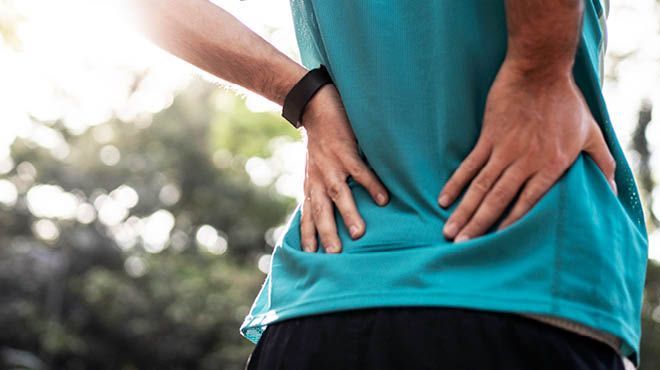
A sudden flare of lower back pain is common and rarely serious. Learn what to do first, what helps recovery, and when to seek review.
Pre-surgery physio builds strength and confidence before your operation. Learn how our Narrabeen and Frenchs Forest clinics support your recovery.