These conversations can feel more personal than a typical physio visit. Here's how we make sure you feel heard, comfortable, and in control at every step.
Tell us about your symptoms, your birth story, your stage of life.
May include assessing your pelvic floor, posture, and movement.
You'll leave knowing exactly what's going on and what we recommend.
For as long as you need — we liaise with your GP or obstetrician.
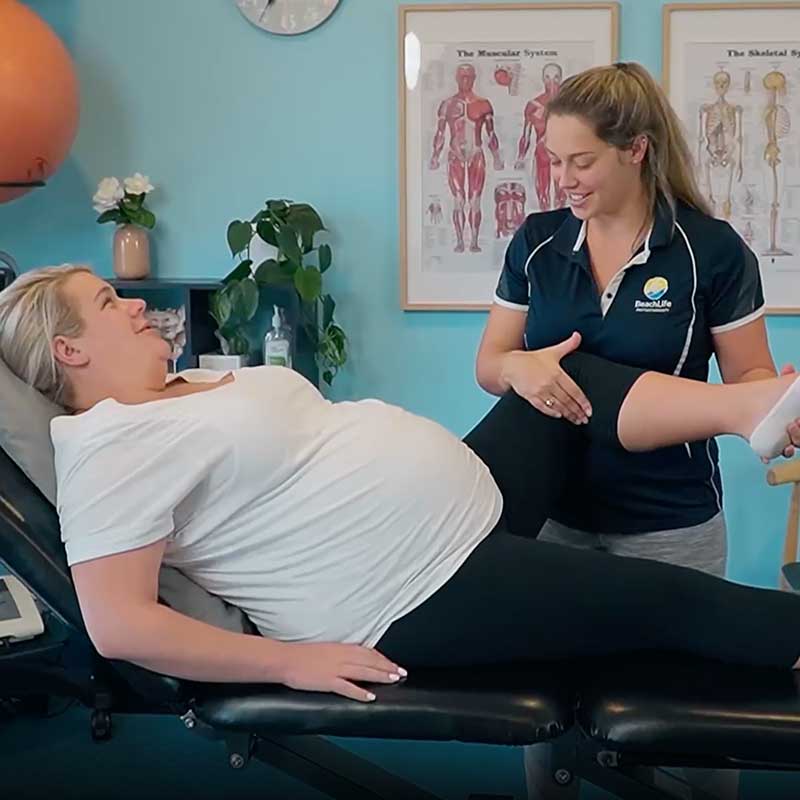
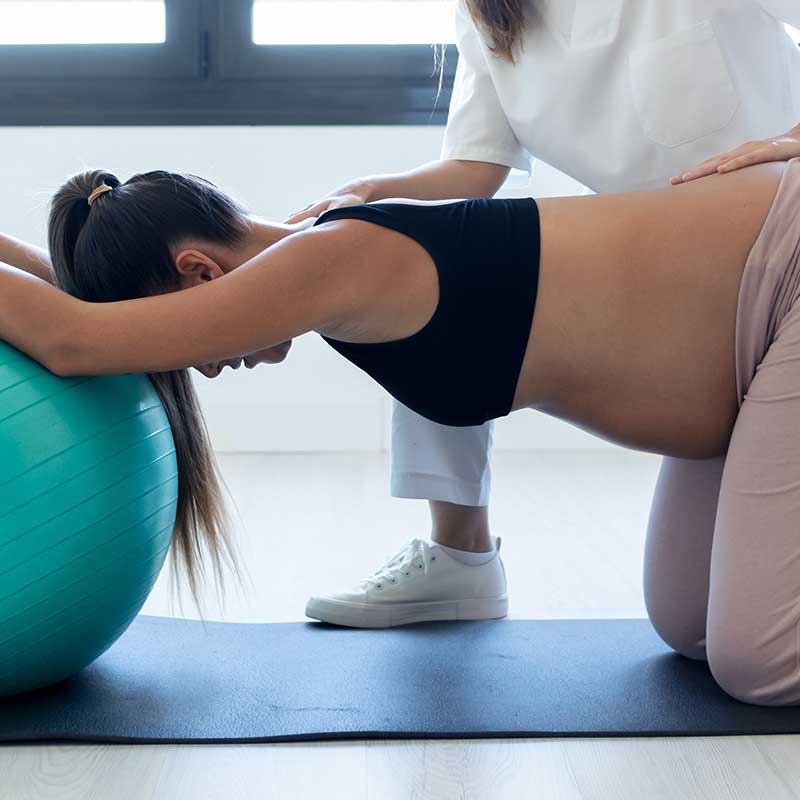
You're pregnant and experiencing pelvic pain, back pain, or want to prepare your body for birth.
You've recently given birth and want to recover safely — exercise, or pelvic floor symptoms.
You're experiencing leakage, urgency, or other bladder or bowel symptoms and want proper answers.
You're going through menopause and noticing changes in your pelvic health or strength.
You've been told "it's normal" — but feel like something isn't right.


Just a snapshot of what we see regularly. If your situation isn't listed here, get in touch — chances are we can still help.
Labour preparation
Pelvic girdle pain
Pregnancy-related back pain
Sciatic and nerve pain in pregnancy
Diastasis recti
Pelvic floor rehab, vaginal or caesarean
Scar recovery (C-section or perineal)
Support after miscarriage or traumatic birth
Bowel incontinence and constipation
Overactive bladder
Pelvic organ prolapse
Urinary incontinence
General pelvic pain
Lower abdominal or groin pain
Painful intercourse
Pelvic floor tension and release
Vaginismus and vulvodynia
Balance and fall prevention
Bladder and bowel changes
Bone health and strength training
Vaginal discomfort and dryness
Lymphatic drainage support
Mastitis and blocked ducts
Swelling and pain management
Around 6 weeks postpartum is a common guide — or earlier if you're experiencing symptoms like leakage, pain, or pressure. If you're unsure, call us and we'll help you decide. Many women wait much longer than they should simply because they don't know that physiotherapy can help.
An internal pelvic floor assessment can help your physiotherapist assess the strength, coordination, tone and function of your pelvic floor muscles. However, an internal assessment is not always necessary. It is only performed with your full understanding and explicit consent, and you can stop at any time. If you’re uncomfortable with an internal assessment, your physiotherapist can use alternative external assessment and treatment techniques to understand your symptoms and develop an appropriate treatment plan.
No. Leakage is common after birth but it's not something you have to live with. With the right pelvic floor rehabilitation it's highly treatable — often significantly improved or fully resolved within a few weeks of targeted treatment.
Yes. Pelvic pain conditions including vaginismus, vulvodynia, and dyspareunia (pain during or after intercourse) are treated by our Women's Health Physiotherapists using pelvic floor relaxation techniques and desensitisation approaches. These are sensitive topics we handle with care and discretion.
Come and see us at Frenchs Forest or Narrabeen.