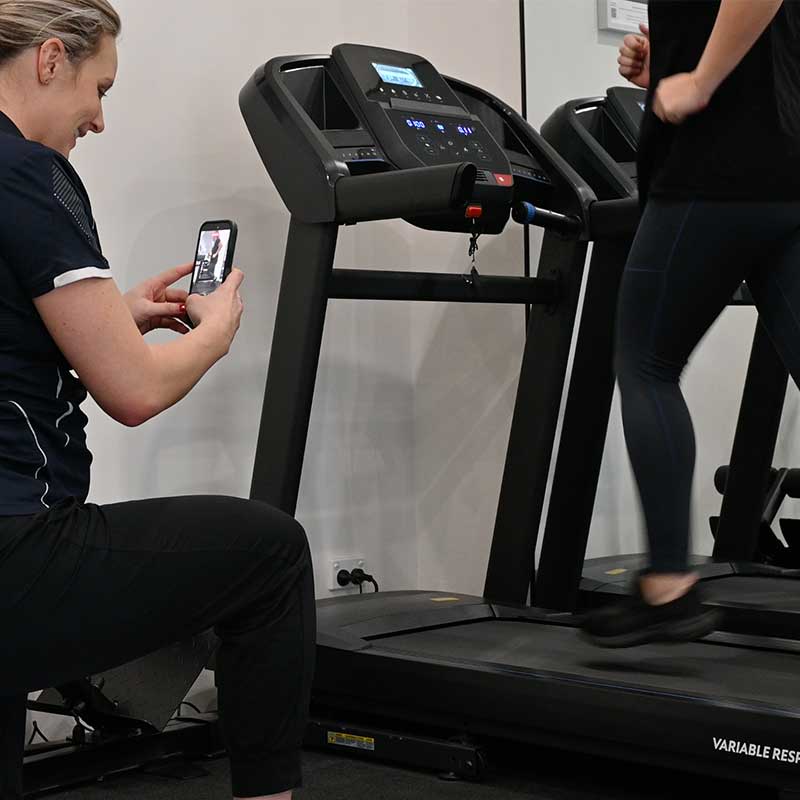
A clinical visit can feel daunting for a young patient — and for you, watching on. Here's how we keep things calm and straightforward, from the first hello.
We talk to both you and your child to get a good picture.
A gentle, age-appropriate assessment — explained as we go.
A plan you understand and your child can actually stick to.
Regular check-ins as they grow, train, and recover — we're here.
You're pregnant and experiencing pelvic pain, back pain, or want to prepare your body for birth.
You've recently given birth and want to recover safely — exercise, or pelvic floor symptoms.
You're experiencing leakage, urgency, or other bladder or bowel symptoms and want proper answers.
You're going through menopause and noticing changes in your pelvic health or strength.
You've been told "it's normal" — but feel like something isn't right.


Just a snapshot of what we see regularly. If your situation isn't listed here, get in touch — chances are we can still help.
Growing-related tendon irritations
Osgood-Schlatter disease
Sever's disease
Sinding-Larsen-Johansson syndrome
Ankle sprains in young athletes
Early overuse pain
Knee pain in children
Load management during sport season
General developmental concerns
Growth spurt-related pain
Postural issues in teens (screen time, school bags)
Return-to-sport guidance for young athletes
We primarily see school-aged children and teenagers, although there’s no strict minimum age. If you’re concerned about your child’s movement, strength, pain or sporting ability, it’s worth having them assessed. If we feel your child would be better suited to a paediatric physiotherapist with more specialised experience, we’ll point you in the right direction.
Sever’s disease is a common cause of heel pain in active children, particularly during periods of rapid growth. We can help reduce pain, modify activity and safely build back to full sport.
We also stock and fit custom Solemaids insoles at both clinics, which are designed to reduce the load on the heel while allowing children to stay as active as possible during their growing years.
Not necessarily. It depends on the nature and severity of the injury. Wherever possible, we aim to keep children active and involved in their sport while modifying activities to allow them to recover safely. We’ll advise you on what they can continue, what may need to be modified and when they can return to full sport.
Yes. Poor posture in teenagers can be influenced by things like screen time, heavy school bags and growth spurts. We assess how they move and provide practical strategies and exercises to help.
It’s particularly worth addressing when postural issues are associated with ongoing neck or back pain.
Come and see us at Frenchs Forest or Narrabeen.