

Top tips for stronger bones
BeachLife Physiotherapy • 21 July 2025
Tip 1.
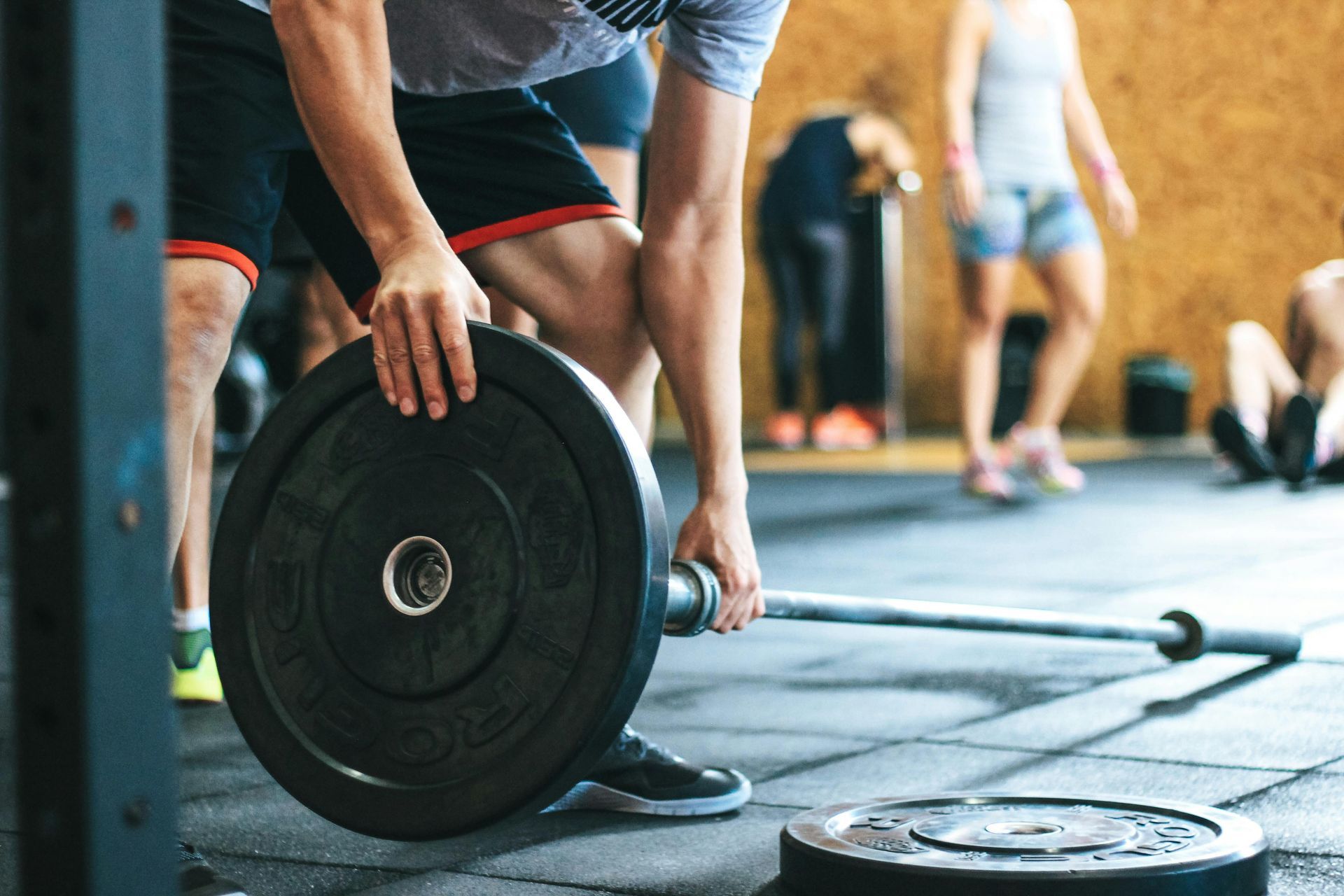
To strengthen bones, weight training must be heavy, low-rep and focused on compound lifts like squats, deadlifts and overhead presses.
These load the spine, hips and shoulders - areas most at risk of bone loss.
Tip 2.
Light jumping or skipping is a good start, but for real bone benefits, impact must be progressed. Short sharp movements like bounding or drop jumps provide the stimulus bones need to adapt.
Tip 3.
Bones need fuel to grow.
Prioritise calcium, vitamin D and protein from whole foods like dairy, leafy greens and fish.
A balanced diet supports bone repair and prevents breakdown.
Osteoporosis often goes unnoticed until a fracture happens - but with the right approach, osteoporosis is manageable, preventable and even reversible. Building stronger bones takes more than walking or supplements. It requires targeted strength and impact training, along with sodium and nutrition.
Weight training must be heavy, low-rep and focused on compound lifts like squats, deadlifts and overhead presses to stimulate bone growth where it's needed most - in the spine, hips and shoulders.
Impact training is also key. Light hopping and skipping are a good start, but bones respond best to short, sharp forces. Progressions like bounding or drop jumps deliver the load bones need to adapt.
Nutrition underpins it all. Calcium, vitamin D and protein are essential, but overall fuelling and whole-food intake support bone repair and growth, especially as we age.
At BeachLife Physiotherapy we run a dedicated Osteoporosis Program for people who need to build and protect their bone strength.

Prepare for Beach2Beach with smart training, tapering and nutrition advice, plus free recovery support from BeachLife Physio.

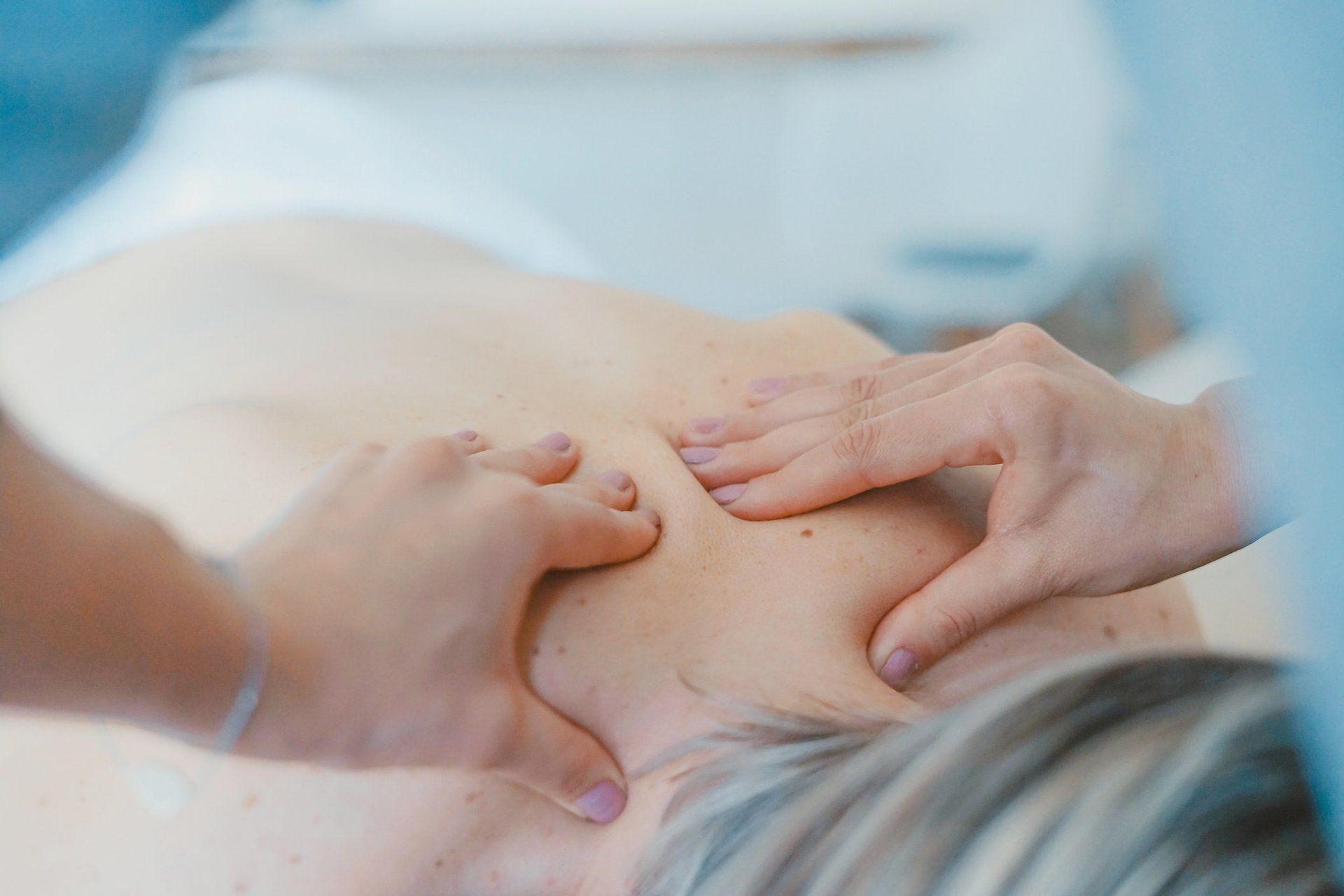
Sports taping and bracing can support some injuries and help you stay active while completing the rehab needed for recovery.
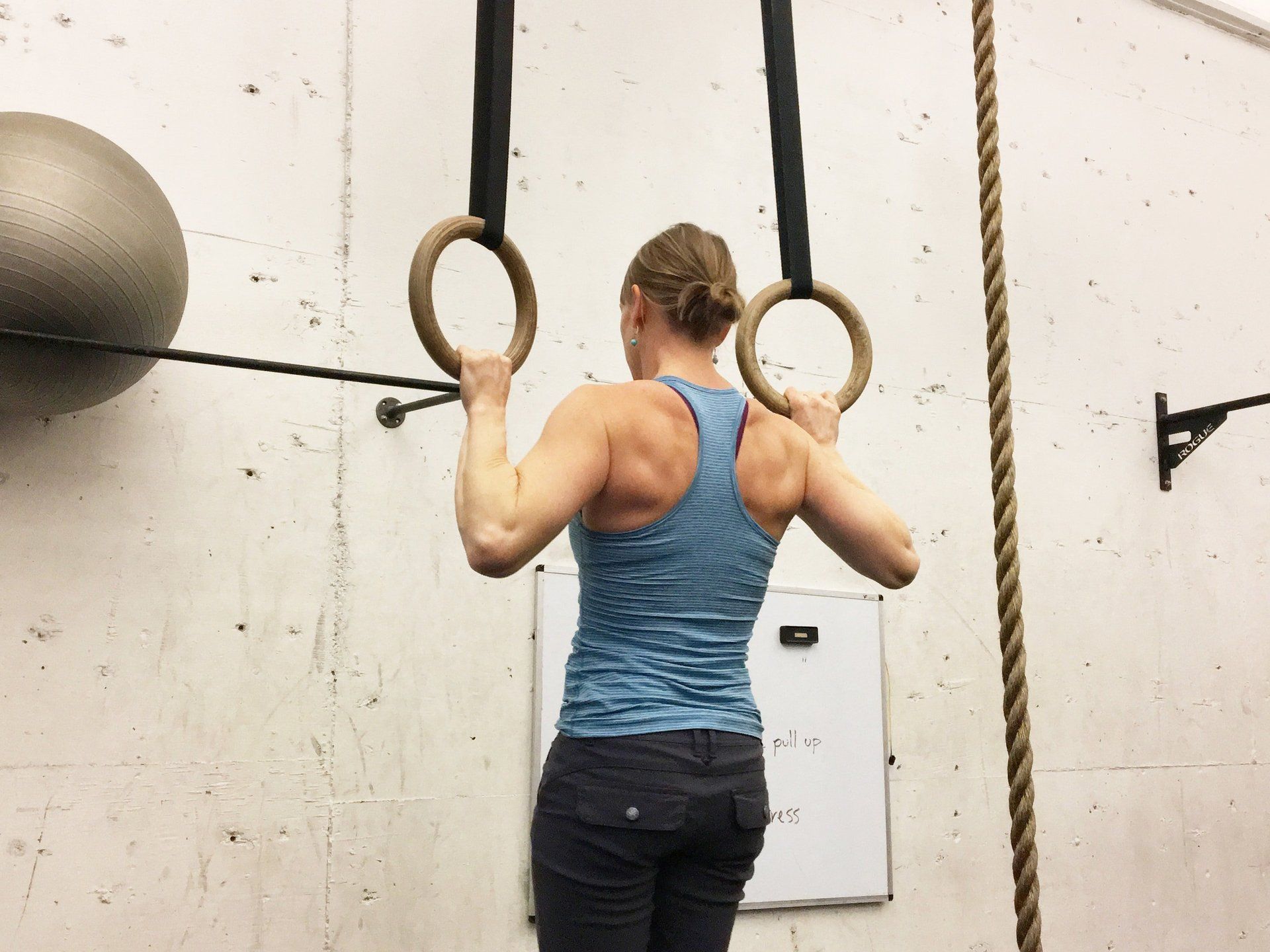
Our rotator cuff program combines physio assessment, education and supervised exercise to improve shoulder strength and confidence.

BeachLife Physio Lower back pain program using assessment, education and supervised exercise to improve function and reduce flare-ups. Frenchs Forest & Narrabeen
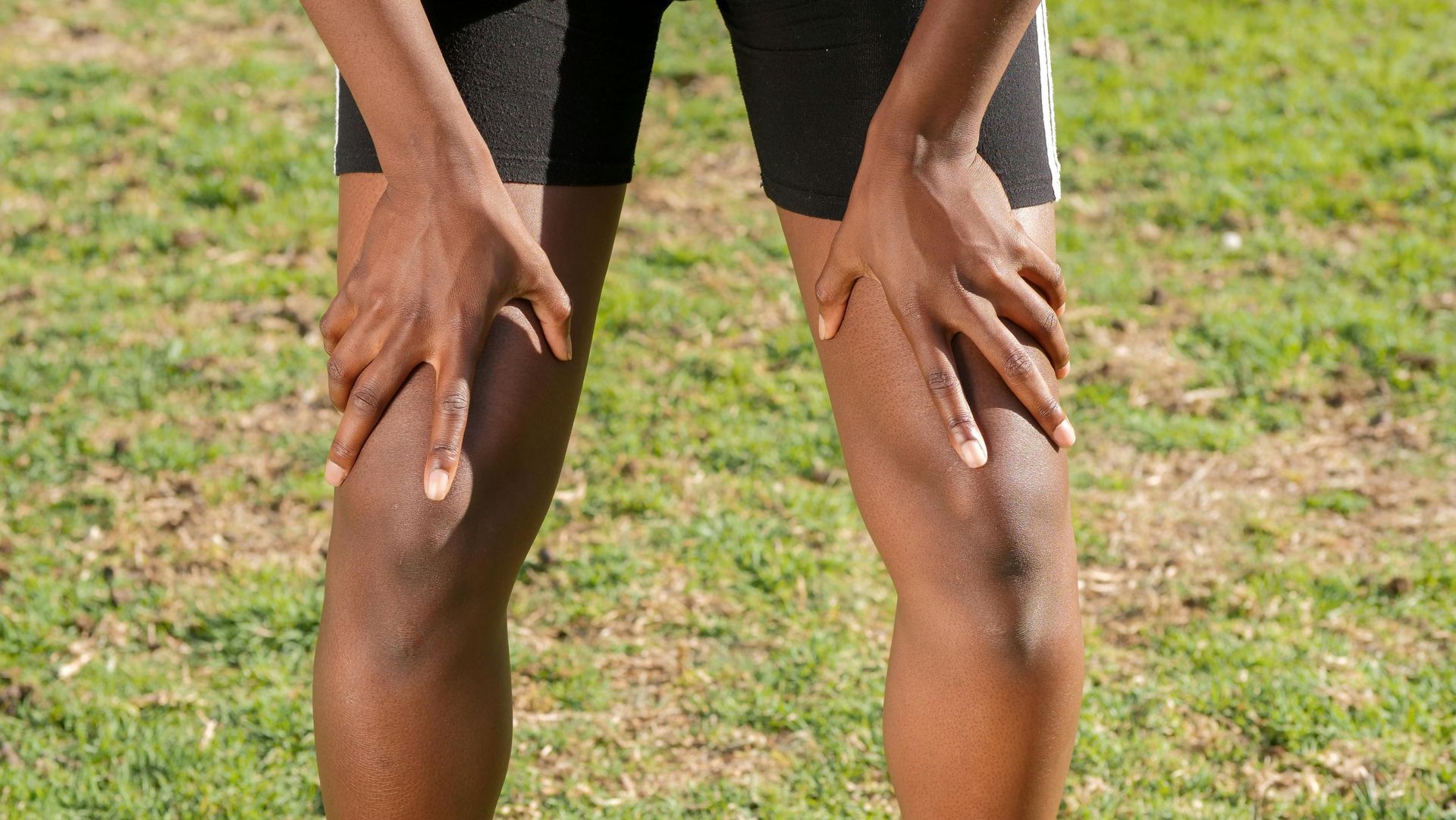
Our hip and knee osteoarthritis program combines physio assessment, education and supervised exercise to improve strength and confidence. Narrabeen & Frenchs Forest
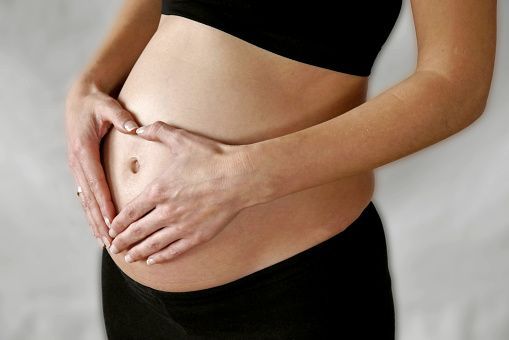
Pelvic floor physiotherapy FAQs covering pregnancy, postnatal recovery, pelvic pain and incontinence. Available in Narrabeen and Frenchs Forest.
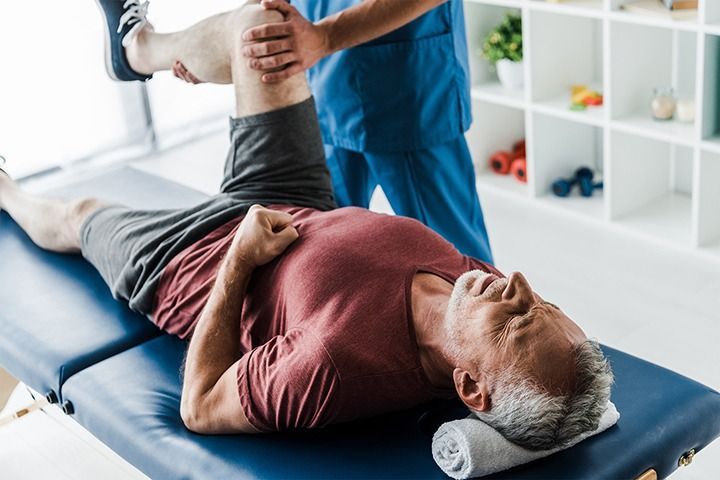
Reduce irritation, not movement Bursitis often flares with repeated irritation or overload. This doesn't mean you should stop moving, gentle movement helps maintain confidence and support recovery. Avoid prolonged pressure This may include lying on the sore side, leaning on elbow, or sitting on hard surfaces for long periods. Simple position changes and added support can significantly reduce symptoms. Settle symptom first, then rebuild strength As pain settles, gradual strengthening improves load tolerance and helps prevent flare-ups. Recovery is about building capacity - not just reducing pain.
Learn how our physiotherapy programs combine assessment, education and supervised exercise to support long-term recovery.

Looking for the best physio in the Northern Beaches? Learn what matters most to patients and how to choose the right physiotherapist.

Hip pain can come from several causes. Learn the five most common sources of hip pain and the key features physios use to tell them apart.