


The importance of sleep
BeachLife Physiotherapy • 27 November 2023
What is sleep?
- Sleep is a naturally recurring state of mind and body
- Sleep is controlled by our circadian rhythm.
- This runs 24 hours/day
- The clock is controlled by a part of the brain known as the suprachiasmatic nucleus (SCN).
- When this clock tells your body to sleep, a hormone known as
melatonin is involved.
Importance of sleep
- Sleep is vital for health and well-being in children, adolescents, and adults.
- Healthy sleep is important for
- Cognitive functioning,
- Mood,
- Mental health,
- Cardiovascular, Cerebrovascular,
- Metabolic health,
- Athletic performance
- Reduces the risk of accidents and injuries
- Chronic insufficient sleep is associated with
- an increased risk of mortality
- several medical epidemics including diabetes, obesity, and cancer
Stages of sleep
There are 4 stages of sleep


Quality of sleep is just as important as Quantity.
Getting REM sleep is highly important. REM sleep plays a role in
memory consolidation, emotional processing, brain development.
Recommended hours of sleep
- Teen (14-17 year) = 8-10 hours of sleep
- Young adult (18-25 years) =7-8 hours of sleep
- Adult(26-64 years) = 7-9 hours of sleep
- Older adult (64+ years) =7-8 hours of sleep
What can affect sleep?
Our sleep is affected by internal and external factors
- Day/night (time zones)
- Blue light eg phones, computers
- To much Alcohol or caffeine
- Irregular sleep schedule
- Timing of meals and foods consumed
- Physical pain & stress
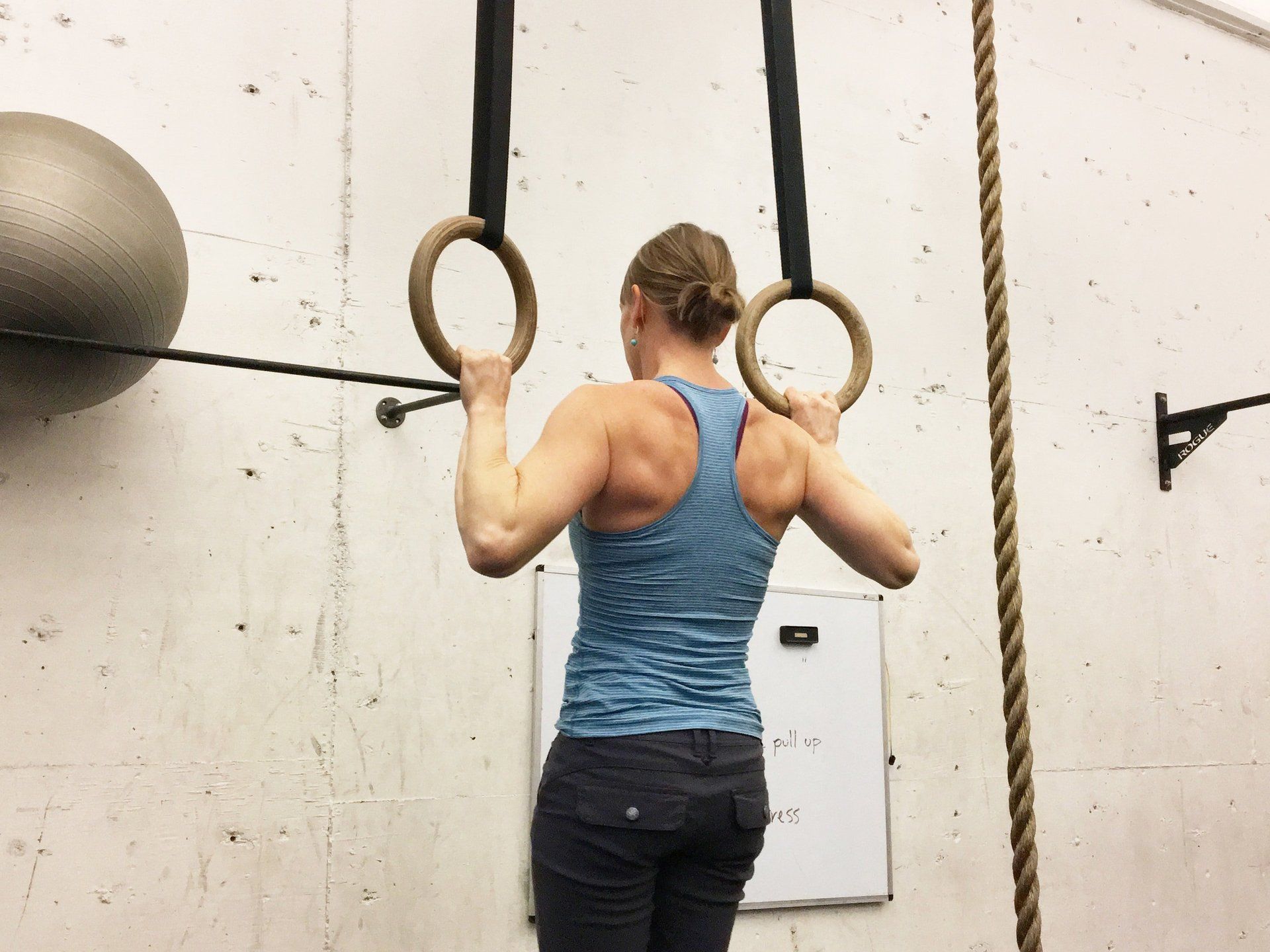
Our rotator cuff program combines physio assessment, education and supervised exercise to improve shoulder strength and confidence.

BeachLife Physio Lower back pain program using assessment, education and supervised exercise to improve function and reduce flare-ups. Frenchs Forest & Narrabeen
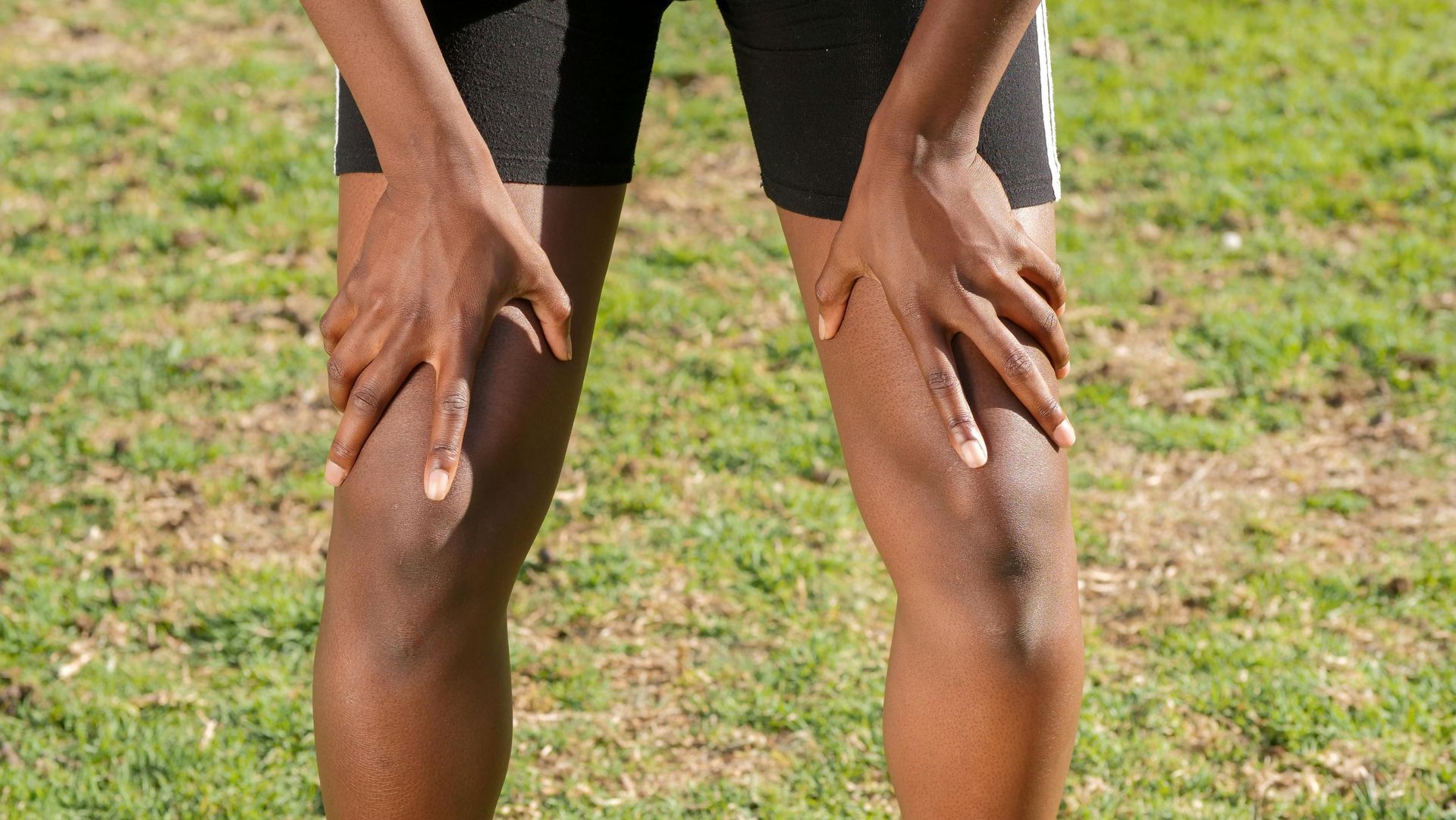
Our hip and knee osteoarthritis program combines physio assessment, education and supervised exercise to improve strength and confidence. Narrabeen & Frenchs Forest

Pelvic floor physiotherapy FAQs covering pregnancy, postnatal recovery, pelvic pain and incontinence. Available in Narrabeen and Frenchs Forest.
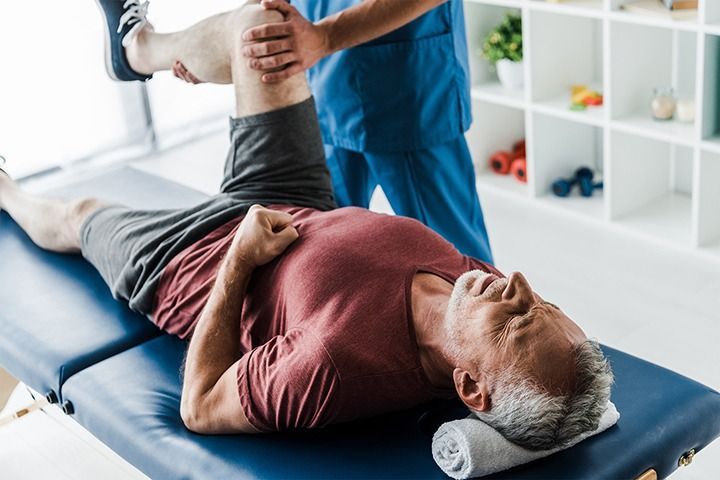
Reduce irritation, not movement Bursitis often flares with repeated irritation or overload. This doesn't mean you should stop moving, gentle movement helps maintain confidence and support recovery. Avoid prolonged pressure This may include lying on the sore side, leaning on elbow, or sitting on hard surfaces for long periods. Simple position changes and added support can significantly reduce symptoms. Settle symptom first, then rebuild strength As pain settles, gradual strengthening improves load tolerance and helps prevent flare-ups. Recovery is about building capacity - not just reducing pain.

Learn how our physiotherapy programs combine assessment, education and supervised exercise to support long-term recovery.

Looking for the best physio in the Northern Beaches? Learn what matters most to patients and how to choose the right physiotherapist.

Hip pain can come from several causes. Learn the five most common sources of hip pain and the key features physios use to tell them apart.

A sudden flare of lower back pain is common and rarely serious. Learn what to do first, what helps recovery, and when to seek review.
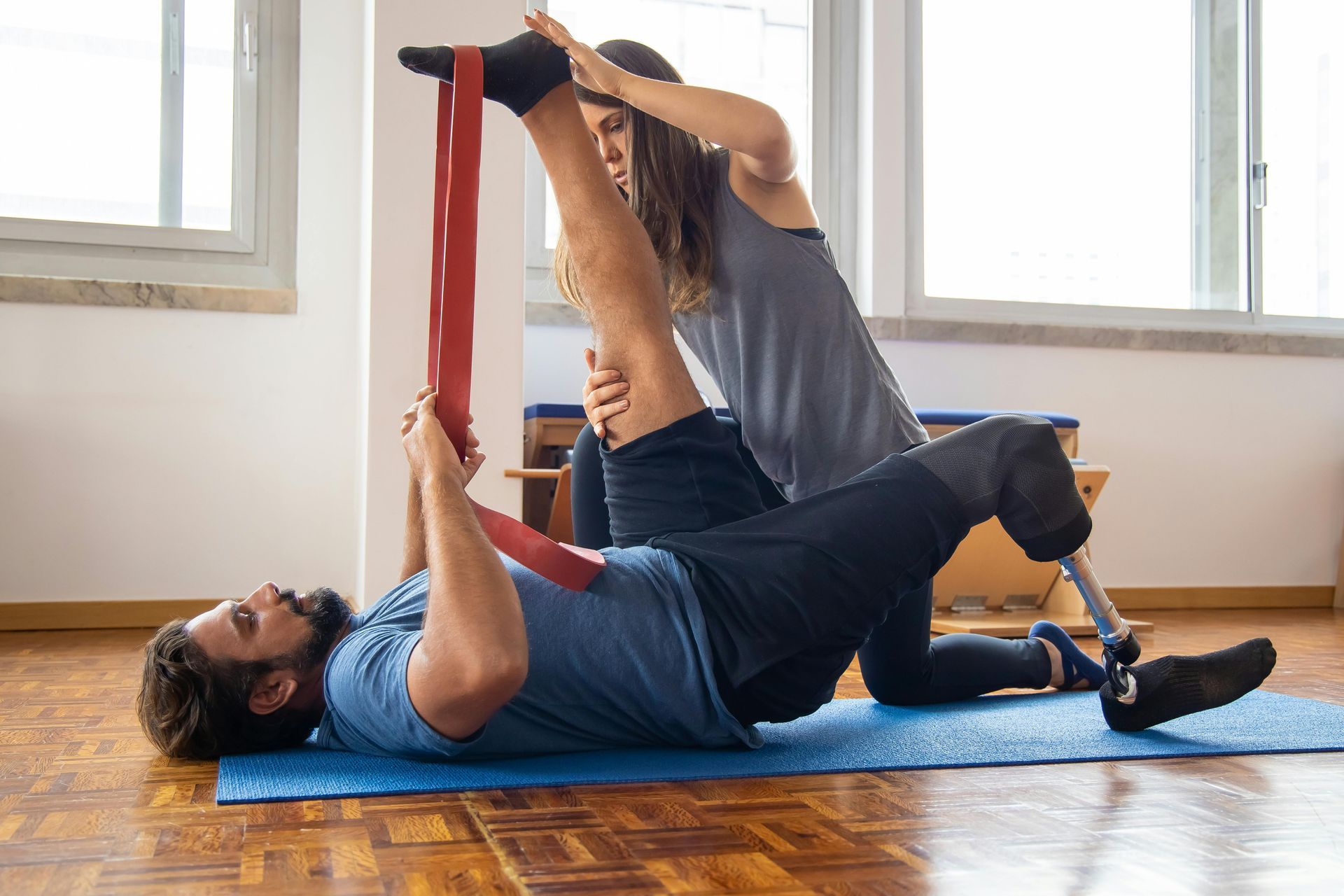
Pre-surgery physio builds strength and confidence before your operation. Learn how our Narrabeen and Frenchs Forest clinics support your recovery.