



The Benefits of Supervised Exercise: Why Expert Guidance Improves Results

BeachLife Physiotherapy • 17 December 2025

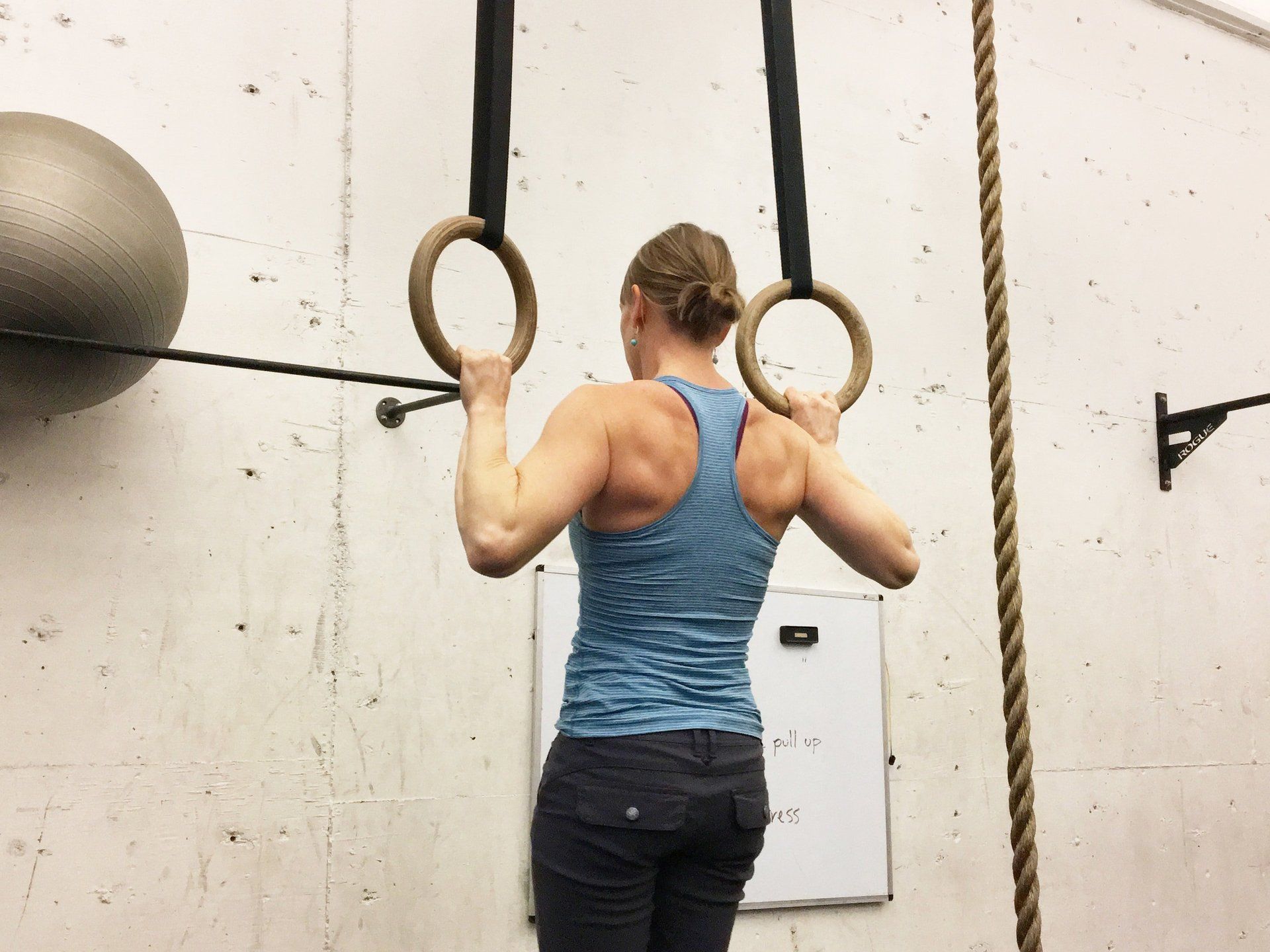
Supervised exercise in a clinical setting offers far more than a standard gym session. With a physiotherapist guiding your technique, tailoring your program and monitoring your progress, supervised exercise becomes one of the most effective ways to improve strength, function and long-term health.


Whether you are recovering from injury, managing a chronic condition or looking to build confidence with exercise, the right level of support can make all the difference.


1. Personalised, Evidence-Based Programming
Every person moves differently and has unique goals. In supervised sessions, your physio selects exercises based on your injury history, functional needs and current capacity. This ensures the work you do is targeted, appropriate and grounded in best-practice clinical guidelines.


2. Technique Coaching and Immediate Feedback
Movement quality matters. Incorrect form can limit progress or create new issues. Supervised exercise provides instant correction, clear cues, and step-by-step adjustments to help you train safely and efficiently. This improves confidence and builds good habits that last.


3. Better Progression and Consistent Improvement
Programs evolve as you get stronger. With professional supervision, your program is progressed at the right pace — not too fast, not too slow. Load, volume and difficulty are adjusted session by session so you continue improving without unnecessary flare-ups.


4. Support, Accountability and Motivation
People stick to supervised programs more consistently than unsupervised exercise. The structure, encouragement and regular check-ins help maintain motivation, especially for long-term rehab or chronic conditions. A supportive environment often leads to better adherence and better outcomes.


5. Safe Training for Injuries and Chronic Conditions
Supervised exercise is ideal for:
• Post-surgery rehabilitation
• Lower back or neck pain
• Tendon injuries
• Osteoarthritis
• Osteoporosis
• Cardiovascular or metabolic conditions
• Balance and falls prevention
Your clinician ensures every exercise suits your condition and is adjusted based on symptoms and responses.


6. Strength and Conditioning with Clinical Oversight
For active individuals or athletes, supervised sessions combine performance training with injury prevention. You get the benefit of strength coaching with the reassurance that your program is aligned with your body’s needs and your sport’s demands.


Supervised Exercise at BeachLife Physiotherapy
We run supervised small-group sessions and 1:1 training at both our
Narrabeen and Frenchs Forest clinics. Each session is guided by qualified physios who ensure your program evolves as you do.

Whether you want to rebuild strength after injury, manage a long-term condition or simply move with more confidence, supervised exercise provides structure, clarity and expert support every step of the way.

If you’re ready to begin, we can help you get started with a personalised plan and a clear pathway toward your goals.


by BeachLife Physiotherapy 18 December 2025
Recovering after surgery at Northern Beaches Hospital? Learn what to expect and how physio can guide your rehab and support a smooth, confident return to activity.
Jiu Jitsu Takedown
by BeachLife Physiotherapy 16 December 2025
A Jiu-Jitsu black belt & physio explains the most common BJJ injuries and how to recover safely. Trusted by Northern Beaches athletes. Book at BeachLife Physio.
Hip Pain
by BeachLife Physiotherapy 1 December 2025
Side hip pain that won't settle may be gluteal tendinopathy. Learn the key causes and how a tailored physio plan at our Narrabeen or Frenchs Forest clinics can help.
by BeachLife Physiotherapy 20 November 2025
Early overuse injuries can be easy to miss in young athletes. Learn key warning signs and how physio support on the Northern Beaches can help keep kids active.
by BeachLife Physiotherapy 10 November 2025
Ready to return to sport after injury? An RTS assessment checks strength, control and confidence. Our Narrabeen and Frenchs Forest physios can guide your safe return
by BeachLife Physiotherapy 10 November 2025
Struggling with a high running heart rate? Learn why it happens and how terrain like Manly Dam or Narrabeen Lagoon can change intensity and pacing demands.
by BeachLife Physiotherapy 4 November 2025
Here are a few of our key top tips for avoiding and managing running pains as we head into the warmer months and get out on the track more often. 1. Build KM's slowly "Too much, too soon" is the phrase you don't want to hear. Give your tissues the chance to build tolerance. 2. Bone pain = Serious Don't push through bony pain that gets worse as you run. Bone stress injuries are common and require management. 3. Don't forget, strength! Most running injuries are the result of tissues not being strong enough to tolerate the loads going through them. Stronger tissues get injured less. 4. Pounding the pavement Running is tough on the body, but when progressed well and with the strength to support it, you can do amazing things!
by BeachLife Physiotherapy 28 October 2025
Why are foot mechanics important? The feet are the base of our kinetic chain. Poor foot mechanics can cause compensations, dysfunction and pain further up the chain; especially in hips or knees, but even lower back and neck. 1. Strength Complete exercises that strengthen the intrisic muscles of the feet. These are the muscles that control your toes and support your arch. 2. Mobility Good movement at the ankle and big toe are critical to correct foot function. Complete mobility exercises if you have reduced movement. 3. Proprioception Improve stability and balance in your foot and ankle. Practice single leg balance exercises, especially on a soft surface. 4. Barefoot walking Walk barefoot on soft surfaces such as sand and grass to strengthen the intrinsic muscles in the feet.
by BeachLife Physiotherapy 11 October 2025
Consistency is key when it comes to building strength, improving movement and seeing real results. Doing 2-3 exercise sessions a week, rather than just one, helps reinforce good technique, boost fitness and maintain motivation. Group sessions can add accountability, support and fun to keep you on track. Consistency creates change 1. Regular exposure helps your body your body adapt and get stronger 2. Better reinforces movement patterns and technique 3. "Dose matters" - more frequent training leads to better strength and rehab outcomes (PTJ, 2017) The sweet spot, 2-3 times per week 1. Promotes steady gains in strength, endurance and confidence 2. Reinforces skills and movement quality 3. Linked to better pain, function and quality-of-life outcomes Why group sessions work 1. Social support boosts commitment and accountability 2. Guided sessions improve technique and consistency 3. More fun and motivating with group energy Ready to get started? 1. Head to our website via the link in our bio 2. Explore our class options and session times 3. Read more about how we can help you move and feel better 4. Get in touch if you're interested
by BeachLife Physiotherapy 7 October 2025
Want to stay injury-free? Focus on the three biggest predictors: Previous injuries, sudden spikes in training load and movement quality. Strengthen your body, train smart and move well to keep performing at your best! Previous injury The #1 factor for getting hurt again 1. Fully rehab before returning to play 2. Fix old weaknesses and movement issues 3. Report pain early - don't "train through it" Spikes in training load Sudden jumps in training or activity = big risk 1. Increase training volume by no more than 10% per week 2. Track your load (time, distance, RPE, weight) 3. Prioritize recovery and sleep (7-9 hours) Poor movement quality 1. Strengthen your core and stabilizers 2. Practice balance and coordination 3. Get feedback to refine technique 4. Quality beats quantity Other risk factors Poor sleep, high stress and muscle imbalances can also raise injury risk Prevention formula: Smart load + Strong movement + Full recovery= Fewer injuries and better performance