


Ski Season: Preparation & Prevention of Injuries
BeachLife Physio • 7 July 2019
Preparing for the Ski Season
Skiing and snowboarding are very physically demanding activities. Many of us don't adequately prepare our bodies for long days of shredding on the slopes. This week we bring you 5 great exercises to prepare your body, not only to reduce the risk of injuries, but also improve performance.
Squats:
Help strengthen your glutes and quads for when you get on the slopes
Side planks:
Strengthen your obliques and glut med ensuring faster turns
Sustained squats:
Holding for as long as you can to increase endurance
Calf raises:
Transferring weight is very important with skiing and snowboarding and having strong calves help.
Hopping then landing and holding:
A stable and smooth transfer of weight between feet is important for turning in skiing or boarding.
Before you leave, ensure your gear is in good service and fits well. Skiers ensure your DIN settings are correct to minimise knee injuries.
Most Common Injuries
Most snow sport injuries result from falls and awkward positioning, often resulting from a loss of control when traveling at speed. This week we bring you the 6 most common areas injured while skiing and snowboarding. - Knee injuries - Ligament sprains (ACL, PCL, MCL, LCL) and meniscus damage
- Shoulder dislocations or fractures
- AC Joint injuries
- Lower Leg fractures
- Wrist, hand, or thumb injuries.
- Closed head injuries and concussions
Preventing Injury in Snow Sports
There are many reasons people get injured on the slopes. Every winter we see a large amount of people injured skiing, snowboarding and spending time at the snow. This week we bring you 6 tips to reduce your risk of injury.
#1:
Injuries are common when snowsporters attempt runs above their level of competency - ski at your level and be safe.
#2:
Warm up prior to hitting the slopes - particularly if you’ve just done a long drive to get there!
#3:
Most injuries occur after a few days when you are fatigued - take a rest day to reduce your risk of an overuse injury or making a mistake.
#4:
Dehydration and inadequate energy intake hinders your ability to perform - Drink lots of water and take rests to eat.
#5:
Warm down and stretch after a day on the slopes. Stretch your quads, glutes, calves, hip flexors and back.
#6:
Take care when walking around in the snow. Many injuries occur from falls on icy slopes!


Our rotator cuff program combines physio assessment, education and supervised exercise to improve shoulder strength and confidence.

BeachLife Physio Lower back pain program using assessment, education and supervised exercise to improve function and reduce flare-ups. Frenchs Forest & Narrabeen
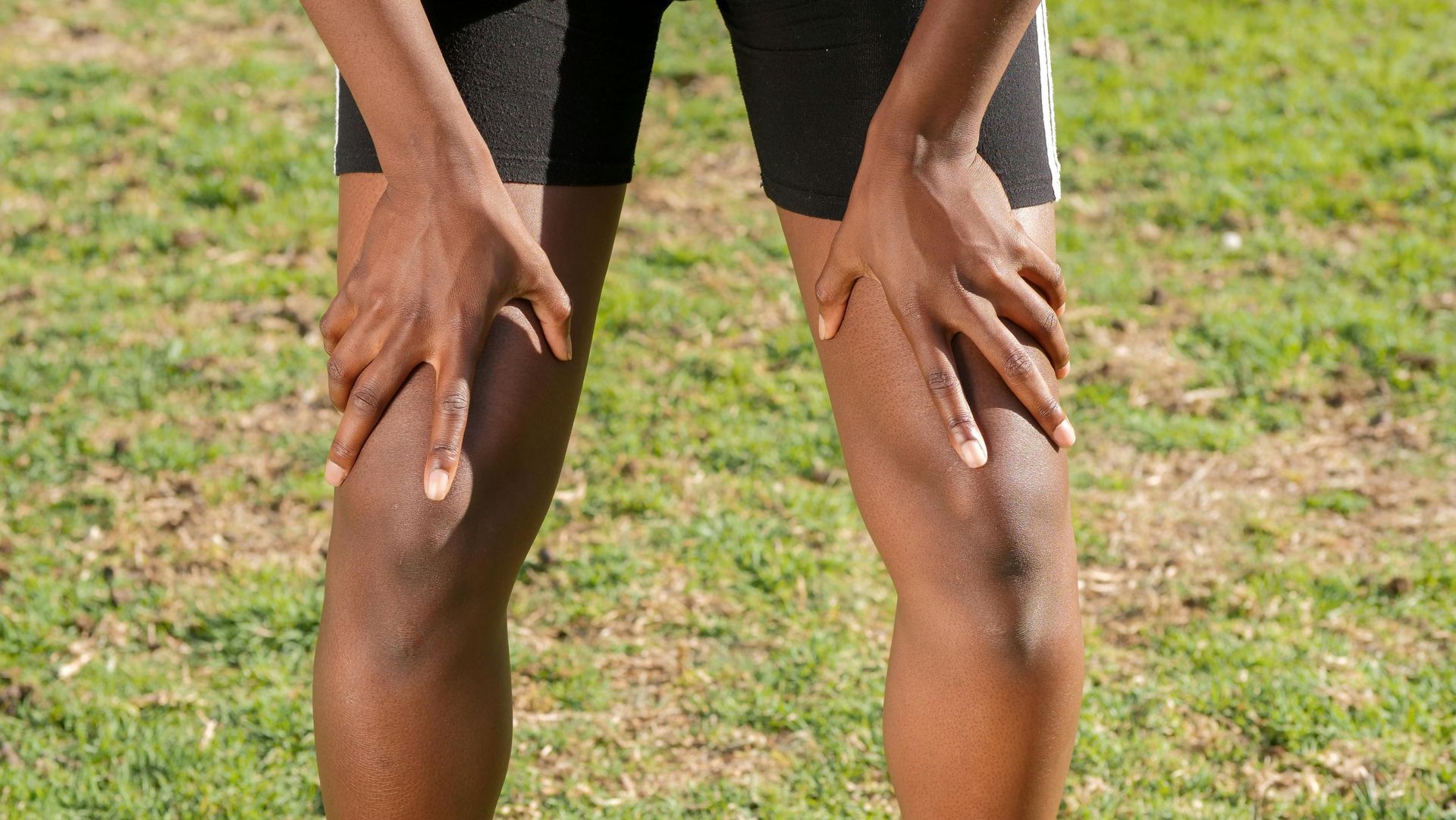
Our hip and knee osteoarthritis program combines physio assessment, education and supervised exercise to improve strength and confidence. Narrabeen & Frenchs Forest

Pelvic floor physiotherapy FAQs covering pregnancy, postnatal recovery, pelvic pain and incontinence. Available in Narrabeen and Frenchs Forest.
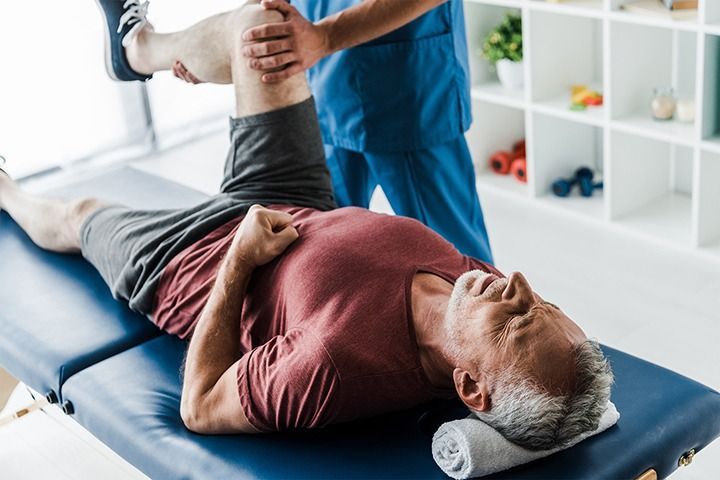
Reduce irritation, not movement Bursitis often flares with repeated irritation or overload. This doesn't mean you should stop moving, gentle movement helps maintain confidence and support recovery. Avoid prolonged pressure This may include lying on the sore side, leaning on elbow, or sitting on hard surfaces for long periods. Simple position changes and added support can significantly reduce symptoms. Settle symptom first, then rebuild strength As pain settles, gradual strengthening improves load tolerance and helps prevent flare-ups. Recovery is about building capacity - not just reducing pain.

Learn how our physiotherapy programs combine assessment, education and supervised exercise to support long-term recovery.

Looking for the best physio in the Northern Beaches? Learn what matters most to patients and how to choose the right physiotherapist.

Hip pain can come from several causes. Learn the five most common sources of hip pain and the key features physios use to tell them apart.
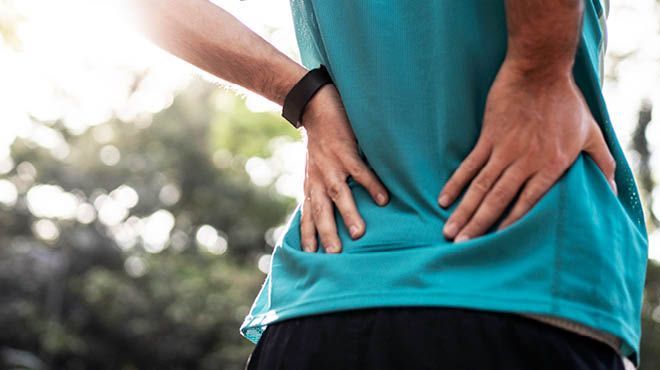
A sudden flare of lower back pain is common and rarely serious. Learn what to do first, what helps recovery, and when to seek review.
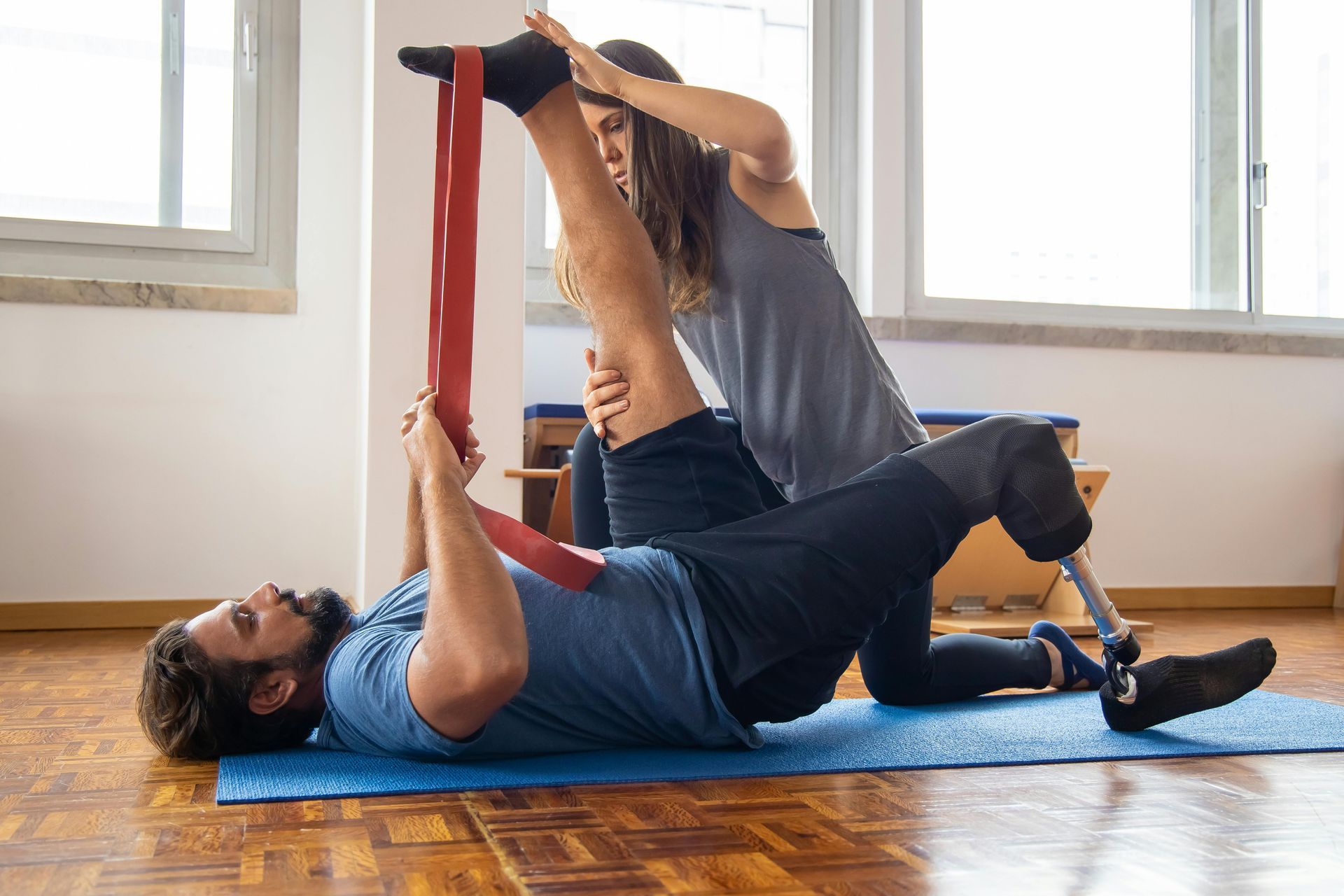
Pre-surgery physio builds strength and confidence before your operation. Learn how our Narrabeen and Frenchs Forest clinics support your recovery.