



Running - Road vs Sand
BeachLife Physio • 3 September 2020
Pro's & Con's of Running on the Road and Sand
Running on sand requires 1.6x more energy expenditure than running on solid surfaces.
Exercising on sand places lower impact and ground reaction forces on joints such as the ankles and knees.
Running on unstable surfaces, such as sand, can aggravate recent injuries as it modifies running technique.
Running on unstable surfaces engages & strengthens the small stabilising muscles in the foot and ankle.
In summary, running on sand can increase the intensity of your workout and strengthen muscles that wouldn't normally be worked by running on the road. On the other hand, running on uneven surfaces can increase your injury risk and muscle soreness if you haven't had any graded exposure to this type of exercise before.


Our rotator cuff program combines physio assessment, education and supervised exercise to improve shoulder strength and confidence.

BeachLife Physio Lower back pain program using assessment, education and supervised exercise to improve function and reduce flare-ups. Frenchs Forest & Narrabeen
Our hip and knee osteoarthritis program combines physio assessment, education and supervised exercise to improve strength and confidence. Narrabeen & Frenchs Forest

Pelvic floor physiotherapy FAQs covering pregnancy, postnatal recovery, pelvic pain and incontinence. Available in Narrabeen and Frenchs Forest.
Reduce irritation, not movement Bursitis often flares with repeated irritation or overload. This doesn't mean you should stop moving, gentle movement helps maintain confidence and support recovery. Avoid prolonged pressure This may include lying on the sore side, leaning on elbow, or sitting on hard surfaces for long periods. Simple position changes and added support can significantly reduce symptoms. Settle symptom first, then rebuild strength As pain settles, gradual strengthening improves load tolerance and helps prevent flare-ups. Recovery is about building capacity - not just reducing pain.

Learn how our physiotherapy programs combine assessment, education and supervised exercise to support long-term recovery.

Looking for the best physio in the Northern Beaches? Learn what matters most to patients and how to choose the right physiotherapist.

Hip pain can come from several causes. Learn the five most common sources of hip pain and the key features physios use to tell them apart.

A sudden flare of lower back pain is common and rarely serious. Learn what to do first, what helps recovery, and when to seek review.
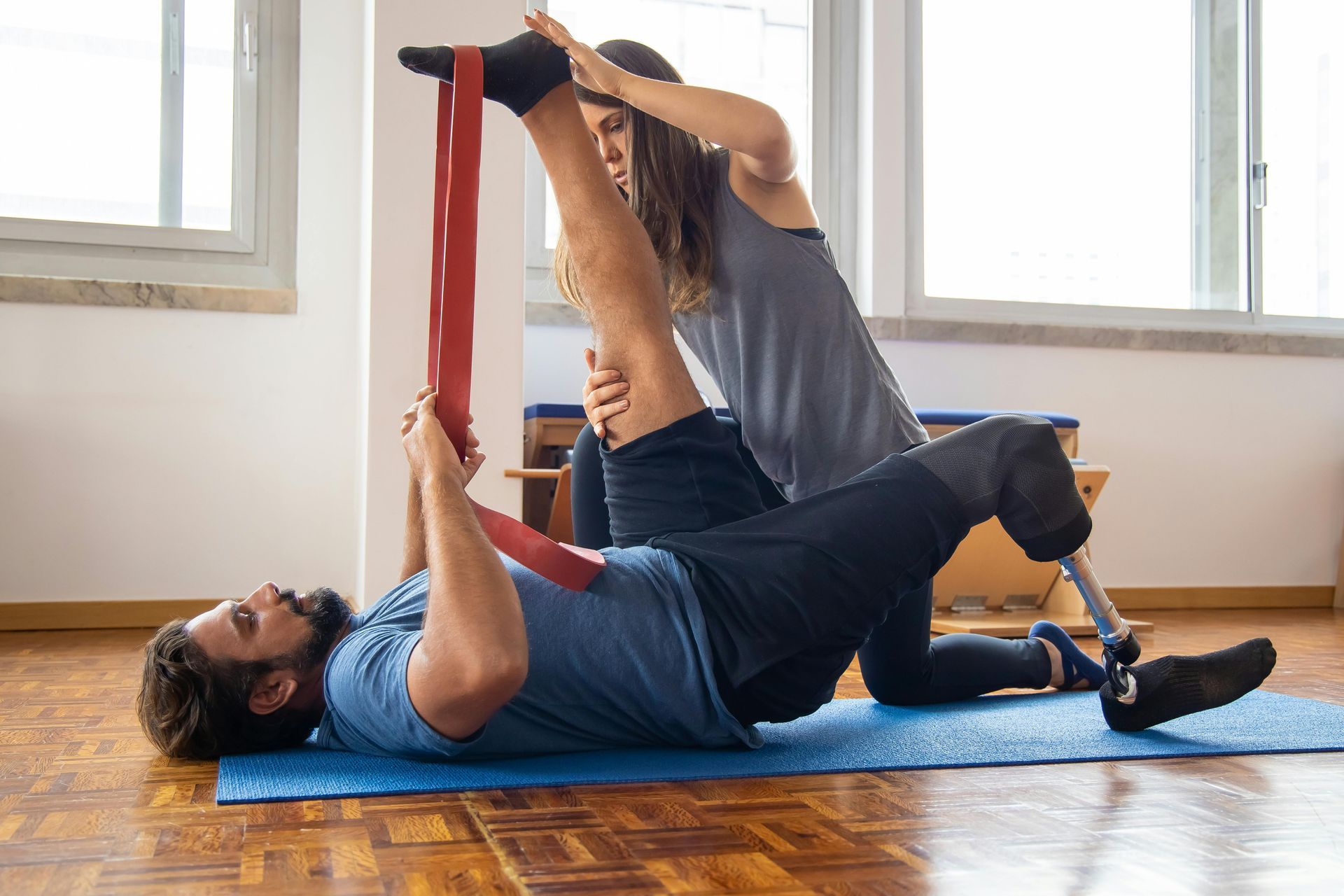
Pre-surgery physio builds strength and confidence before your operation. Learn how our Narrabeen and Frenchs Forest clinics support your recovery.