



Lower Back Pain Program: Building Confidence and Capacity Through Movement
Lower back pain is one of the most common reasons people seek physiotherapy. For some, it is a short-term flare that settles quickly. For others, it becomes persistent, recurrent or unpredictable, affecting work, exercise, sleep and confidence with movement.
One of the biggest frustrations people experience with back pain is inconsistency. Some treatments may help temporarily, but the pain often returns once activity increases again. Others are left feeling confused after being given conflicting advice such as “never bend forward again,” “your core is weak,” or “your discs are damaged.”
Our Lower Back Pain Program was designed to provide a clearer and more structured path forward. Rather than relying on short-term symptom relief alone, the program focuses on improving understanding, building physical capacity and helping people regain confidence with movement long term.
Understanding Lower Back Pain
Lower back pain is rarely caused by a single structure alone. In many cases, pain is influenced by a combination of reduced movement tolerance, strength deficits, stress, sensitivity, fear of movement, and changes in activity levels over time.
Importantly, most back pain is not dangerous, even when symptoms feel severe. Imaging findings such as “disc bulges” or “degeneration” are also extremely common in people without pain, which is why the full clinical picture matters far more than scans alone.
Many people improve not by avoiding movement, but by gradually rebuilding trust in their back and increasing what the body can comfortably tolerate again.
Why Many Approaches Fall Short
Back pain is often managed with short-term rest, passive treatment or generic exercises that don’t properly progress over time.
While these approaches may temporarily reduce symptoms, they often fail to address:
- Reduced strength and load tolerance
- Fear of bending, lifting or exercising
- Inconsistent flare-up management
- Deconditioning from avoiding activity
- Uncertainty around what is safe to do
This is where a structured, supervised program can make a significant difference.
How the Lower Back Pain Program Works
This program follows the same structured framework outlined in our physiotherapy programs approach, combining assessment, education, supervised exercise and gradual progression.
1. Individual Physiotherapy Assessment
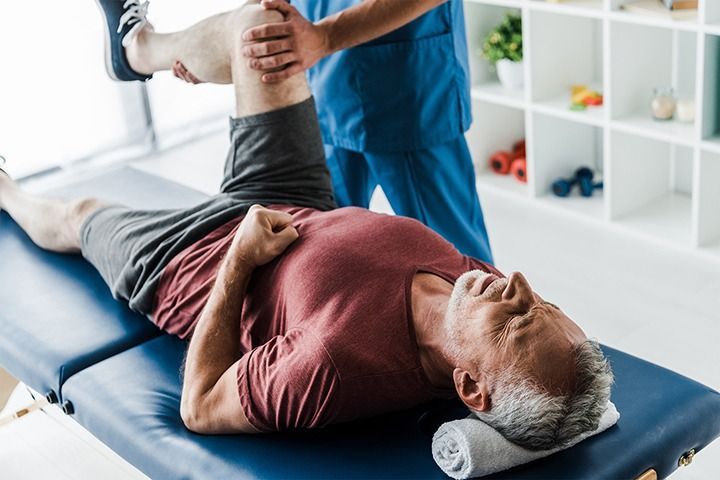
The program begins with a one-on-one assessment with a physiotherapist. This allows us to understand your symptoms, history and aggravating factors, identify movement or strength limitations, discuss flare-up patterns and clarify your goals.
This assessment helps guide a program that is tailored to your presentation, lifestyle and confidence levels rather than applying a one-size-fits-all approach.
2. Education to Reduce Fear and Improve Understanding
One of the biggest barriers to recovery is fear and uncertainty around movement.
We help people understand:
- Why pain does not always equal damage
- Why the back is generally strong and adaptable
- How flare-ups occur
- How load, stress, sleep and activity levels influence symptoms
- How to safely return to movement and activity
For many people, simply understanding what is happening reduces fear significantly and allows them to move more confidently again.
3. Supervised, Progressive Exercise
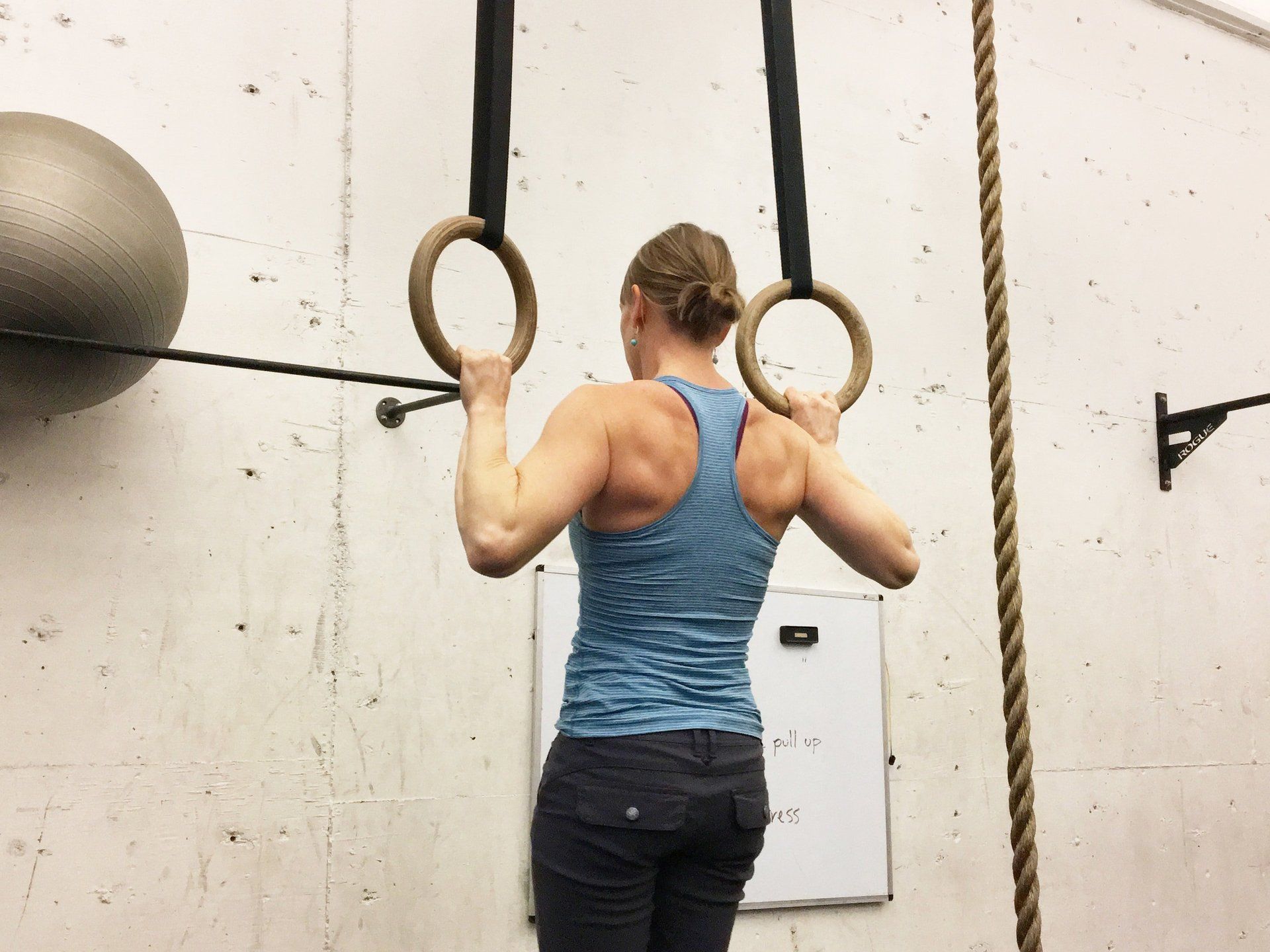
Exercise is one of the most effective long-term treatments for lower back pain when it is appropriate, progressive and guided properly.
The program includes:
- Physiotherapist-supervised exercise sessions
- Gradual exposure to bending, lifting and movement
- Strength and conditioning matched to your capacity
- Ongoing progression based on tolerance and function
This approach helps people safely rebuild confidence with movements they may have been avoiding for months or even years.
Rather than chasing perfect posture or avoiding movement entirely, the goal is to build a stronger, more resilient back that can tolerate the demands of daily life again.
4. Focus on Long-Term Self-Management
A major focus of the program is helping people feel more in control of their back pain long term.
We aim to:
- Improve confidence with movement
- Reduce fear of flare-ups
- Increase tolerance to work, exercise and daily activity
- Improve strength and physical capacity
- Provide strategies to self-manage symptoms independently
Success is not just having less pain. It is being able to move, exercise, work and live with greater confidence again.
Who Is This Program Suited For?
The Lower Back Pain Program is well suited to people who:
- Experience recurrent or persistent lower back pain
- Feel unsure how much movement is safe
- Avoid certain activities due to fear of flare-ups
- Want a structured and supervised approach to exercise
- Feel frustrated with short-term fixes that haven’t lasted
- Are looking for long-term improvement rather than passive treatment alone
What Outcomes Can You Expect?
Most people can expect improved confidence with movement, increased strength and better tolerance to daily activities over time. Many also notice that flare-ups become less frequent, less intense and easier to manage.
Recovery from lower back pain is rarely about finding a single “fix.” It is usually about building understanding, capacity and confidence progressively over time.
Getting Started
If lower back pain is limiting your activity, confidence or quality of life, this program can provide a structured and supportive path forward. If you are unsure whether the program is right for you, a physiotherapy assessment can help guide that decision.