



Hip and Knee Osteoarthritis Program: A Structured Approach to Moving with Confidence
Hip and knee osteoarthritis are common conditions that can affect walking, exercise, sleep and confidence with movement. While many people are told osteoarthritis is simply “wear and tear,” the reality is more nuanced and, importantly, there is a lot that can be done to improve symptoms and function. Our Hip and Knee Osteoarthritis Program is a structured, physiotherapist-led approach designed to reduce pain, improve strength and help people move with confidence again.
Understanding Hip and Knee Osteoarthritis
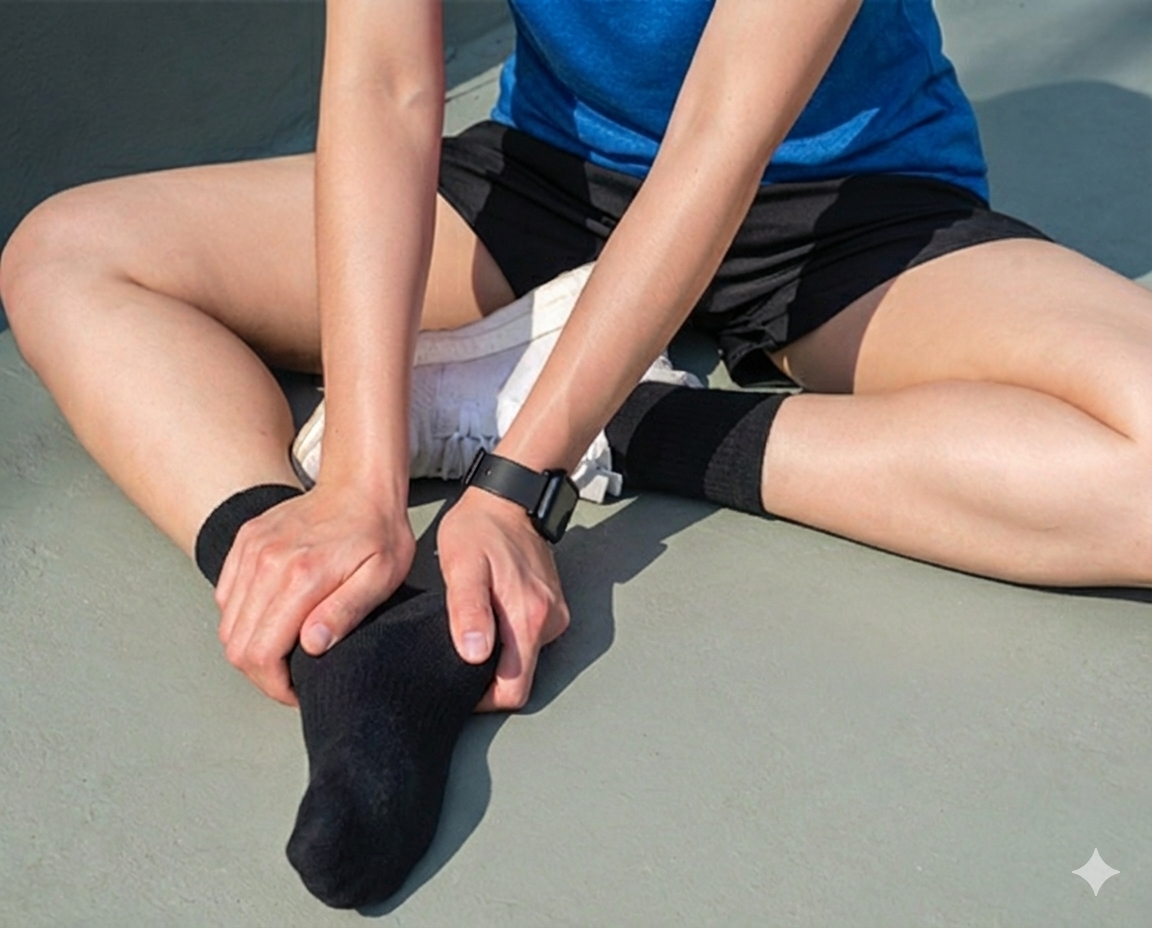
Osteoarthritis involves changes to the joint over time, but pain and disability are not directly proportional to what appears on imaging. Many people experience symptoms due to a combination of reduced strength and load tolerance, joint stiffness, changes in movement patterns, and uncertainty around how much activity is safe. Because of this, osteoarthritis responds best to education, progressive strengthening and appropriate loading, rather than rest or avoidance.
Why Generic Advice Often Falls Short
People with hip or knee osteoarthritis are often given vague or conflicting advice such as “don’t load the joint,” “just keep walking,” or “wait until it’s bad enough for surgery.” This lack of structure can lead to frustration, inconsistent progress and reduced confidence. A structured approach removes guesswork and provides a clear path forward.
How the Hip and Knee Osteoarthritis Program Works
This program follows the same structured framework outlined in our physiotherapy programs approach, combining assessment, education, supervised exercise and progression.
1. Individual Physiotherapy Assessment
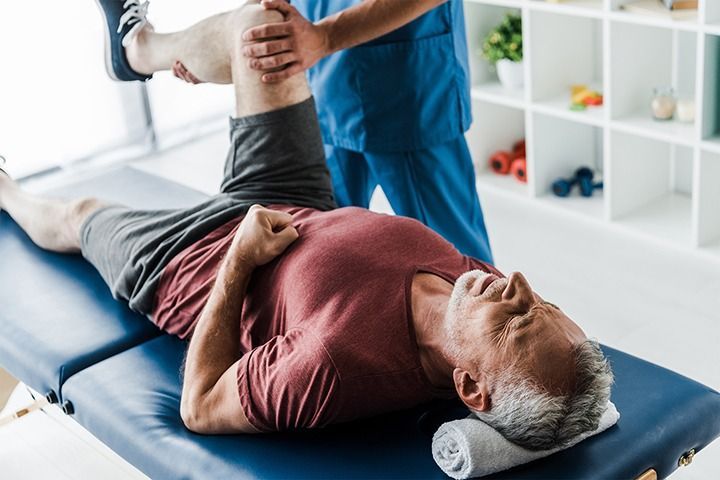
The program begins with a one-on-one assessment with a physiotherapist. This allows us to understand your symptoms and history, identify relevant strength and mobility limitations, discuss activity levels and flare-up patterns, clarify your goals and set realistic expectations. This ensures the program is tailored to you, not just the diagnosis.
2. Education to Reduce Fear and Build Confidence
Education is central to managing osteoarthritis effectively. We help you understand what osteoarthritis actually is, why pain can fluctuate, how strength and loading support joint health, and how to manage flare-ups safely. When people understand their condition, they tend to move with more confidence and less fear.
3. Supervised, Progressive Strength Training
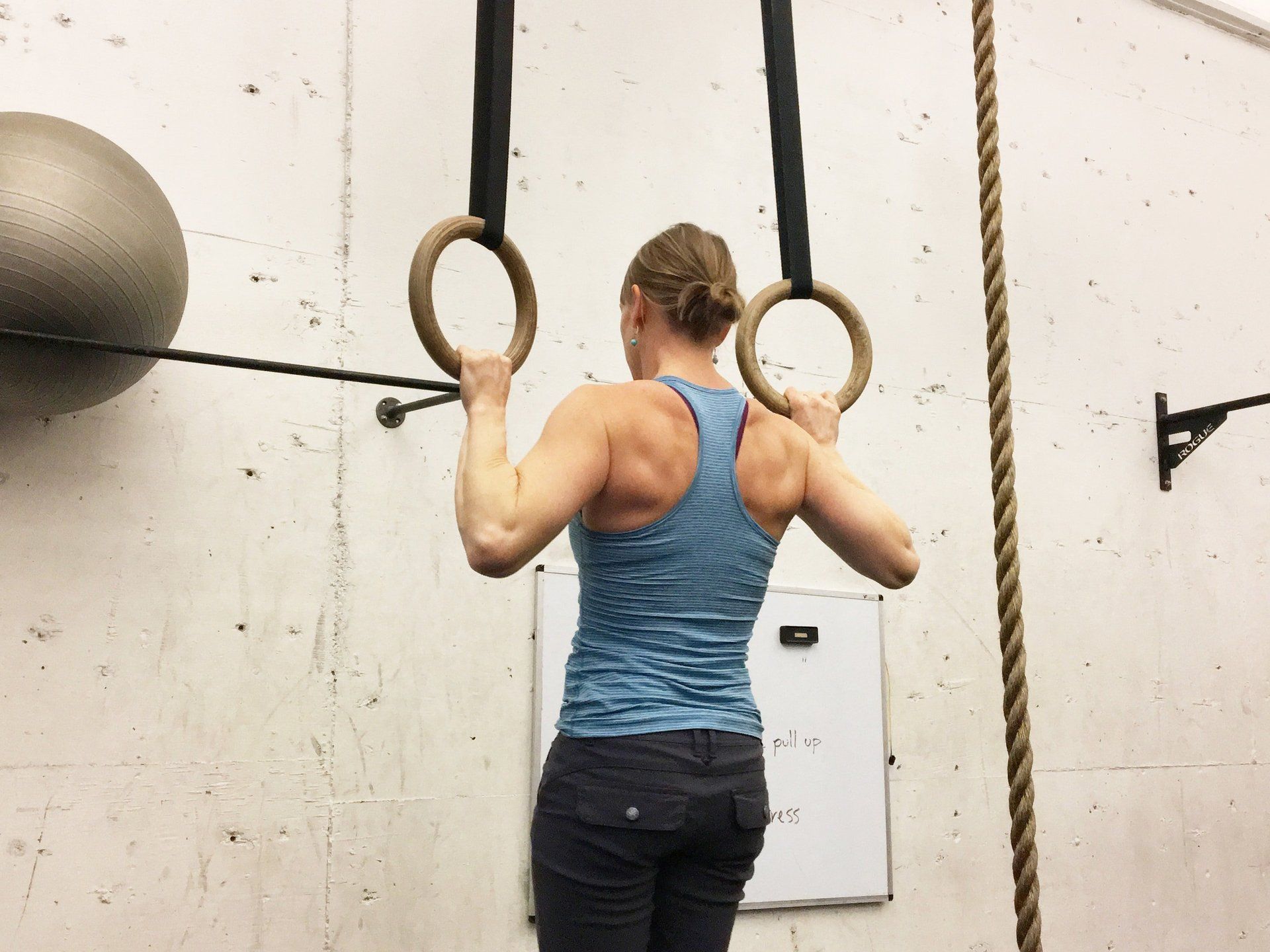
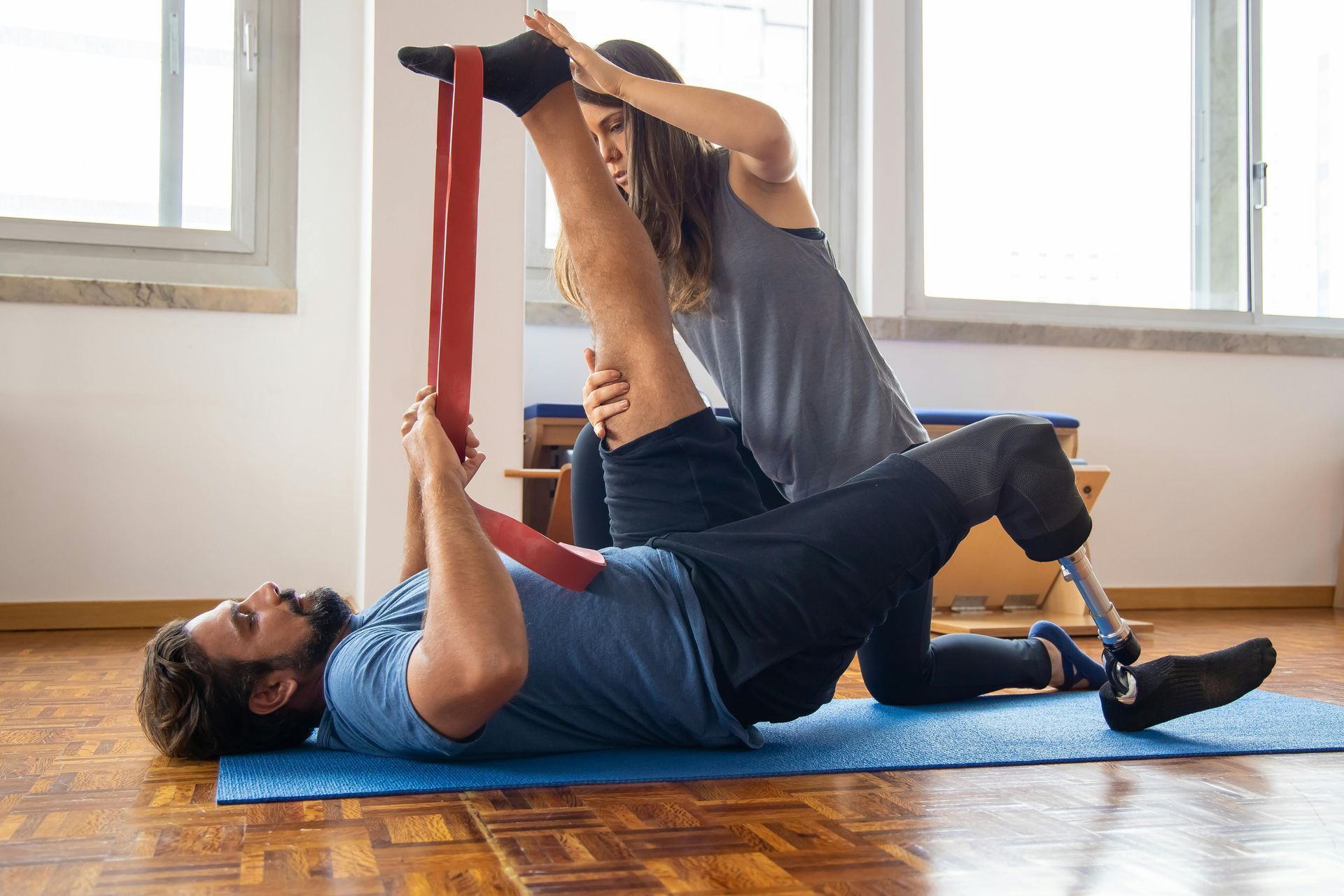
Strength training is one of the most effective treatments for hip and knee osteoarthritis. The program includes physiotherapist-supervised sessions, exercises matched to your capacity and symptoms, and gradual progression based on tolerance and function. This helps build joint support, improve load tolerance and make daily activities feel easier.
4. Focus on Long-Term Self-Management
The goal of the program is not short-term relief alone. We aim to improve day-to-day function, increase confidence with movement, reduce the frequency of flare-ups and give you the tools to manage independently. Success means feeling capable and informed long after the program ends.
Who Is This Program Suited For?
The Hip and Knee Osteoarthritis Program is well suited to people who have ongoing hip or knee pain related to osteoarthritis, feel unsure how much activity is safe, want a structured and supervised approach to exercise, and are looking for long-term improvement rather than short-term fixes.
What Outcomes Can You Expect?
Most people can expect improvements in strength, confidence and tolerance to activity over time. Pain levels often become more manageable, and flare-ups become less frequent and less disruptive. While osteoarthritis itself does not reverse, the way it affects your daily life can change significantly with the right approach.
Getting Started
If you are dealing with hip or knee osteoarthritis and want a clearer, more structured approach to managing it, this program can provide the guidance and support needed to move forward confidently. If you are unsure whether this program is right for you, a physiotherapy assessment can help guide that decision.
All our programs follow a structured, physio-led framework combining assessment, education and supervised progression.