


Keeping Well While Working From Home
BeachLife Physio • 29 March 2020
Helpful tips from our Physiotherapists to keep you feeling your best at your desk
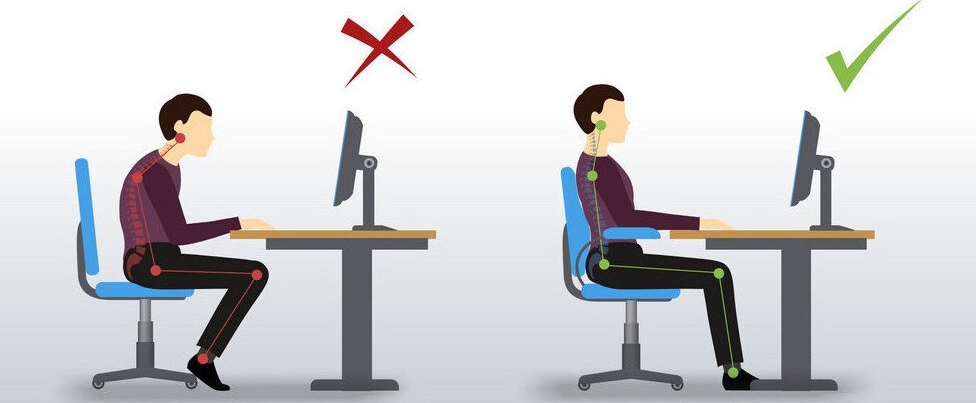
Tip #1 - Set up your workspace correctly
- Find a comfortable, supportive chair
- Have your feet firmly on the floor, and your knees/hips flexed comfortably
- Sit up nice and tall, with your shoulders relaxed, and your arms by your side
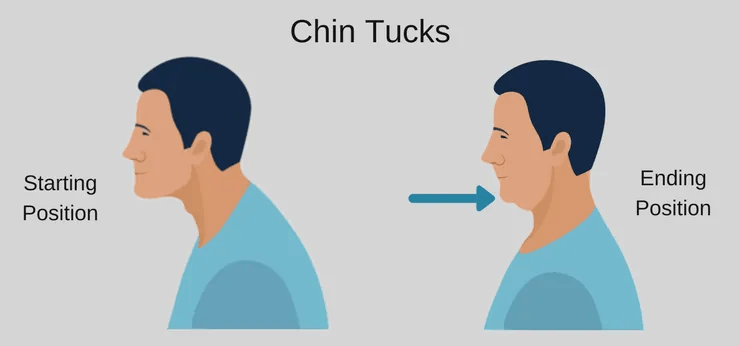
- Tuck your chin backwards slightly, to ensure a nice tall posture through the neck
- Ensure your computer is at a height approximately in line/just below your eyes
Tip #2 - Keep mobile and active
- Take regular breaks from computer screens and books (approx. every 1-2 hours)
- Where possible stand up and take a short walk away from your desk - that way, you'll return refreshed and ready to work!
- Change your posture regularly, avoid any one position for prolonged periods of time
Tip #3 - Neck exercises
- Here are some examples of exercises that might help you avoid a stiff neck during the work day:
- Chin tucks
- Neck circles - perform 5 slow repetitions in each direction
- Neck stretches - perform 3 times in each direction, for 30 seconds at a time
Tip #4 - The office desk/chair tricep dip
- Facing away from a stable desk or chair, place both hands on the surface behind you
- With bent knees and hips, and keeping your elbows close to your body, lower your body as far as you feel is comfortable
- Press up and raise your body back to the starting position - that's one rep!
- Perform 10-15 times
Tip #5 - Lower limb exercises
- Leg raises - in a seated position, lift each foot off the ground alternately. Perform 10 with each leg, or get creative, and create a 'fast feet' routine!
- Ankle circles - with one foot raised off the floor, draw 5 clockwise and 5 counter-clockwise circles. Once again, try getting creative - can you trace the alphabet with both feet?


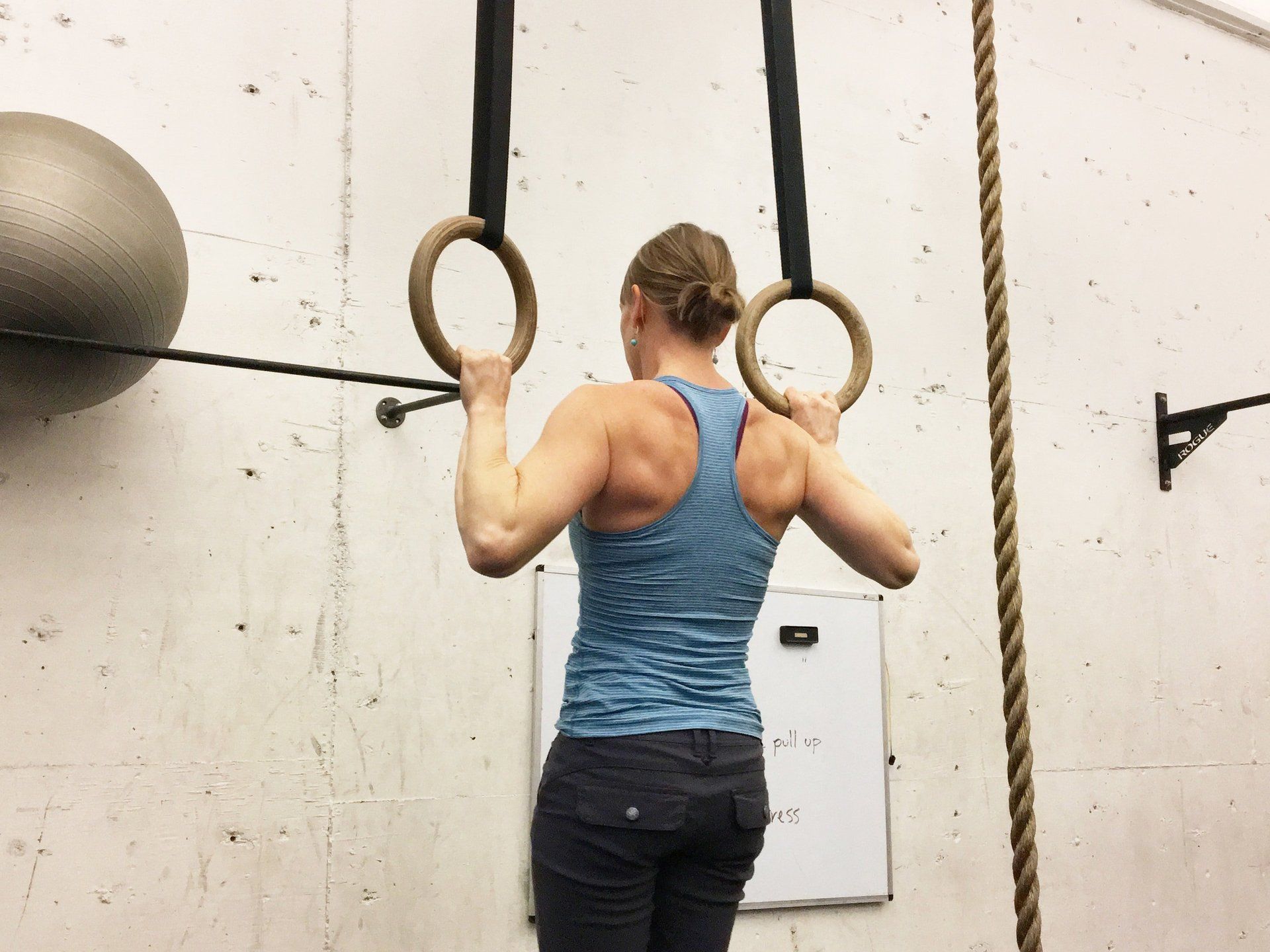
Our rotator cuff program combines physio assessment, education and supervised exercise to improve shoulder strength and confidence.

BeachLife Physio Lower back pain program using assessment, education and supervised exercise to improve function and reduce flare-ups. Frenchs Forest & Narrabeen
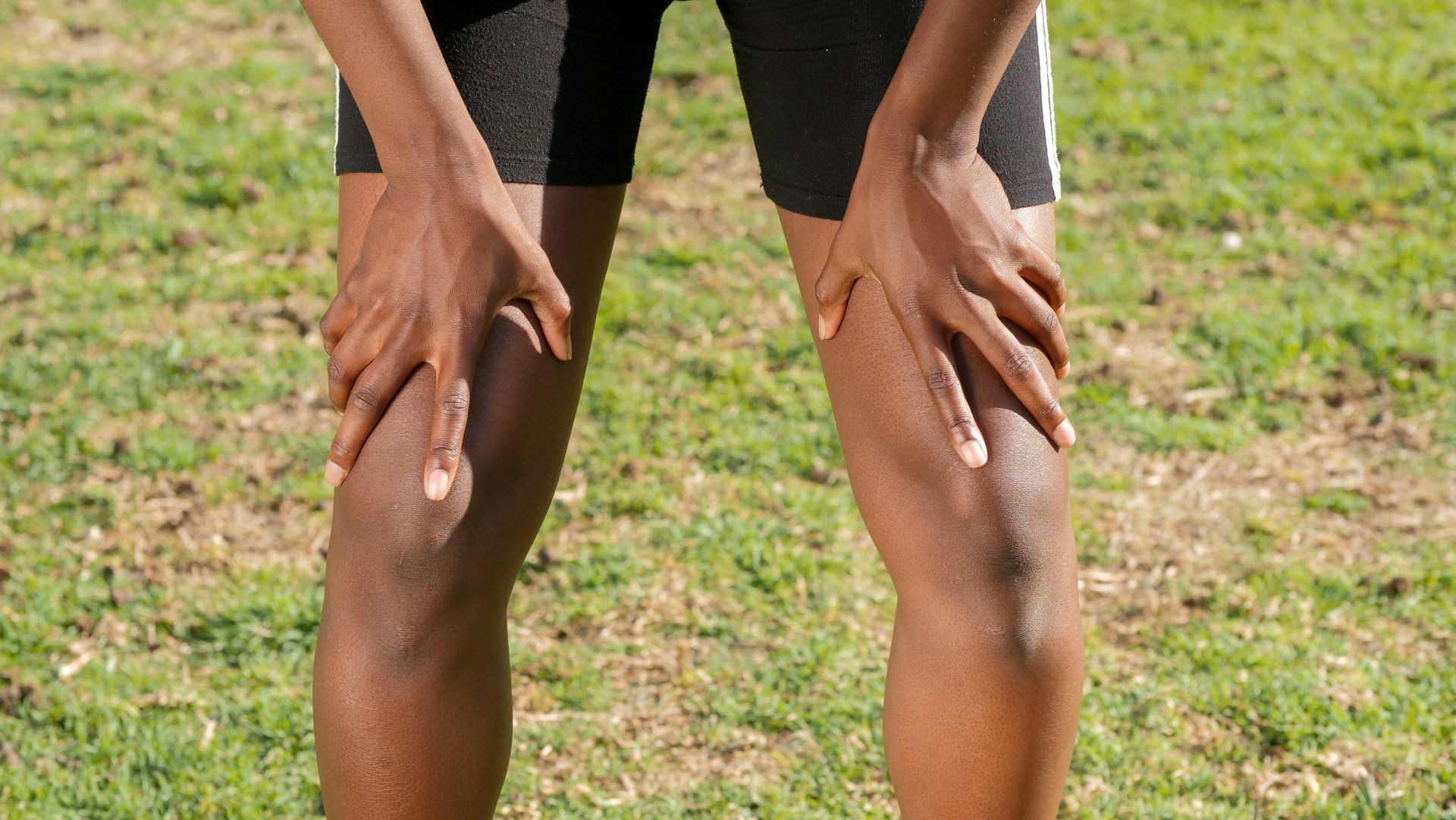
Our hip and knee osteoarthritis program combines physio assessment, education and supervised exercise to improve strength and confidence. Narrabeen & Frenchs Forest

Pelvic floor physiotherapy FAQs covering pregnancy, postnatal recovery, pelvic pain and incontinence. Available in Narrabeen and Frenchs Forest.
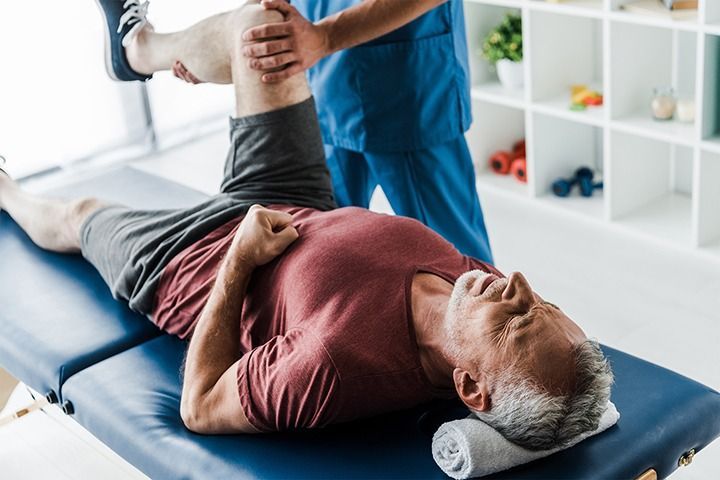
Reduce irritation, not movement Bursitis often flares with repeated irritation or overload. This doesn't mean you should stop moving, gentle movement helps maintain confidence and support recovery. Avoid prolonged pressure This may include lying on the sore side, leaning on elbow, or sitting on hard surfaces for long periods. Simple position changes and added support can significantly reduce symptoms. Settle symptom first, then rebuild strength As pain settles, gradual strengthening improves load tolerance and helps prevent flare-ups. Recovery is about building capacity - not just reducing pain.
Learn how our physiotherapy programs combine assessment, education and supervised exercise to support long-term recovery.

Looking for the best physio in the Northern Beaches? Learn what matters most to patients and how to choose the right physiotherapist.

Hip pain can come from several causes. Learn the five most common sources of hip pain and the key features physios use to tell them apart.
A sudden flare of lower back pain is common and rarely serious. Learn what to do first, what helps recovery, and when to seek review.
Pre-surgery physio builds strength and confidence before your operation. Learn how our Narrabeen and Frenchs Forest clinics support your recovery.