



Restoring Comfort and Confidence: How Physiotherapy Can Help Manage Prolapse

BeachLife Physiotherapy • 11 April 2024

Prolapse is a prevalent yet often overlooked condition that affects many women, causing discomfort and impacting their quality of life. Fortunately, physiotherapy offers effective solutions to manage prolapse and alleviate its symptoms.

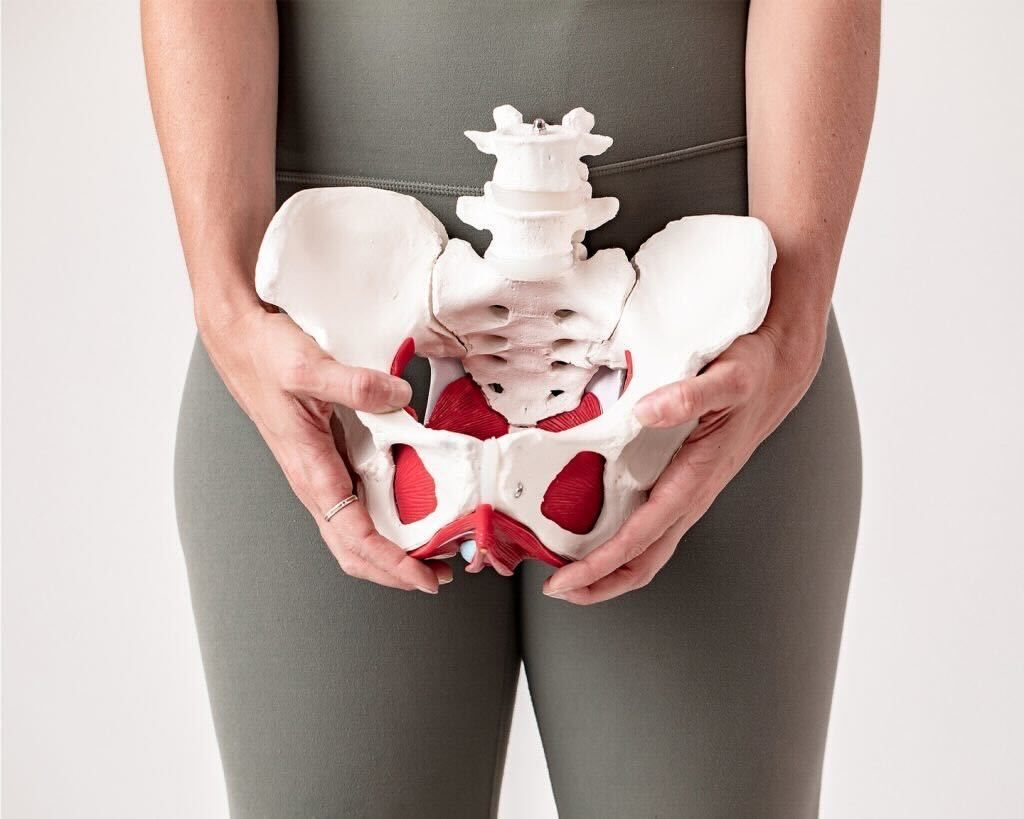
Prolapse occurs when the pelvic organs, including the bladder, uterus or rectum descend from their normal positions and protrude into the vaginal wall. This drop is typically due to weakened or damaged pelvic floor muscles and connective tissues, often stemming from factors such as childbirth, hormonal changes, obesity, chronic coughing, heavy lifting and ageing.


Identifying Symptoms:

Recognising the symptoms of prolapse is crucial for early intervention and effective management. These symptoms may include:


1. Feeling of pressure or heaviness in the pelvic region

2. Noticeable bulge or protrusion in the vaginal area, especially during activities like standing or lifting

3. Discomfort or pain during sexual intercourse

4. Urinary or faecal incontinence

5. Difficulty fully emptying the bladder or bowel


How Physiotherapy Can Help:

Physiotherapy plays a pivotal role in managing prolapse by addressing pelvic floor dysfunction and providing tailored interventions to alleviate symptoms and improve pelvic health. Here's how physiotherapists can assist:


1. Pelvic Floor Muscle Training:

Physiotherapists can devise personalised pelvic floor muscle training programs that focus on strengthening these muscles. Exercises such as Kegels and targeted muscle contractions help improve muscle tone and support for the pelvic organs, reducing the severity of prolapse symptoms.


2. Education and Lifestyle Modifications:

Physiotherapists offer valuable education on lifestyle modifications that can help manage prolapse. This may include guidance on proper lifting techniques, posture correction, weight management and strategies to prevent constipation or chronic coughing, which can exacerbate prolapse symptoms.


3. Manual Therapy Techniques:

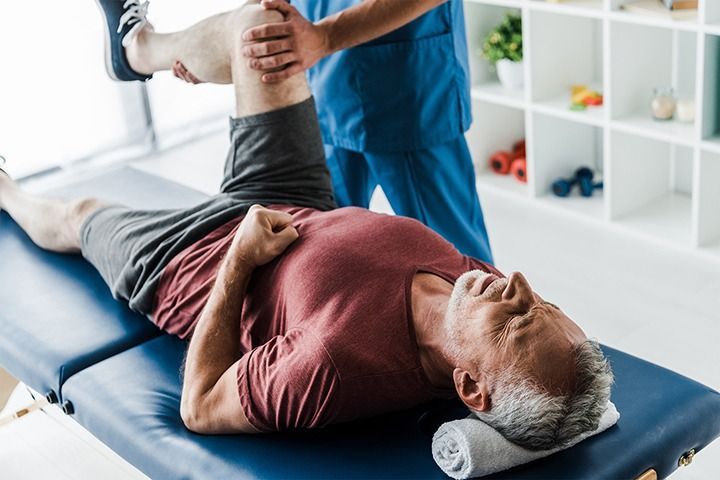
Manual therapy techniques, including soft tissue mobilisation and myofascial release, can help improve pelvic floor muscle function and reduce tension in surrounding tissues. These hands-on approaches promote circulation, alleviate discomfort, and facilitate healing in the pelvic region.


Prolapse can be a challenging condition to manage, but with the support of physiotherapy, women can find relief and regain control over their pelvic health. If you're experiencing symptoms of prolapse, don't hesitate to seek guidance from our qualified physiotherapists specialising in women's health here on the beautiful northern beaches at BeachLife Physio. We offer women's health physio at both our Narrabeen and Frenchs Forest clinics! Remember, you deserve comfort, confidence and the opportunity to live your life to the fullest.


by BeachLife Physiotherapy 18 December 2025
Recovering after surgery at Northern Beaches Hospital? Learn what to expect and how physio can guide your rehab and support a smooth, confident return to activity.
by BeachLife Physiotherapy 17 December 2025
Supervised exercise improves technique, confidence and results. Our Narrabeen and Frenchs Forest physios guide safe, effective strength and rehab training.
Jiu Jitsu Takedown
by BeachLife Physiotherapy 16 December 2025
A Jiu-Jitsu black belt & physio explains the most common BJJ injuries and how to recover safely. Trusted by Northern Beaches athletes. Book at BeachLife Physio.
Hip Pain
by BeachLife Physiotherapy 1 December 2025
Side hip pain that won't settle may be gluteal tendinopathy. Learn the key causes and how a tailored physio plan at our Narrabeen or Frenchs Forest clinics can help.
by BeachLife Physiotherapy 20 November 2025
Early overuse injuries can be easy to miss in young athletes. Learn key warning signs and how physio support on the Northern Beaches can help keep kids active.
by BeachLife Physiotherapy 10 November 2025
Ready to return to sport after injury? An RTS assessment checks strength, control and confidence. Our Narrabeen and Frenchs Forest physios can guide your safe return
by BeachLife Physiotherapy 10 November 2025
Struggling with a high running heart rate? Learn why it happens and how terrain like Manly Dam or Narrabeen Lagoon can change intensity and pacing demands.
by BeachLife Physiotherapy 4 November 2025
Here are a few of our key top tips for avoiding and managing running pains as we head into the warmer months and get out on the track more often. 1. Build KM's slowly "Too much, too soon" is the phrase you don't want to hear. Give your tissues the chance to build tolerance. 2. Bone pain = Serious Don't push through bony pain that gets worse as you run. Bone stress injuries are common and require management. 3. Don't forget, strength! Most running injuries are the result of tissues not being strong enough to tolerate the loads going through them. Stronger tissues get injured less. 4. Pounding the pavement Running is tough on the body, but when progressed well and with the strength to support it, you can do amazing things!
by BeachLife Physiotherapy 28 October 2025
Why are foot mechanics important? The feet are the base of our kinetic chain. Poor foot mechanics can cause compensations, dysfunction and pain further up the chain; especially in hips or knees, but even lower back and neck. 1. Strength Complete exercises that strengthen the intrisic muscles of the feet. These are the muscles that control your toes and support your arch. 2. Mobility Good movement at the ankle and big toe are critical to correct foot function. Complete mobility exercises if you have reduced movement. 3. Proprioception Improve stability and balance in your foot and ankle. Practice single leg balance exercises, especially on a soft surface. 4. Barefoot walking Walk barefoot on soft surfaces such as sand and grass to strengthen the intrinsic muscles in the feet.
by BeachLife Physiotherapy 11 October 2025
Consistency is key when it comes to building strength, improving movement and seeing real results. Doing 2-3 exercise sessions a week, rather than just one, helps reinforce good technique, boost fitness and maintain motivation. Group sessions can add accountability, support and fun to keep you on track. Consistency creates change 1. Regular exposure helps your body your body adapt and get stronger 2. Better reinforces movement patterns and technique 3. "Dose matters" - more frequent training leads to better strength and rehab outcomes (PTJ, 2017) The sweet spot, 2-3 times per week 1. Promotes steady gains in strength, endurance and confidence 2. Reinforces skills and movement quality 3. Linked to better pain, function and quality-of-life outcomes Why group sessions work 1. Social support boosts commitment and accountability 2. Guided sessions improve technique and consistency 3. More fun and motivating with group energy Ready to get started? 1. Head to our website via the link in our bio 2. Explore our class options and session times 3. Read more about how we can help you move and feel better 4. Get in touch if you're interested